
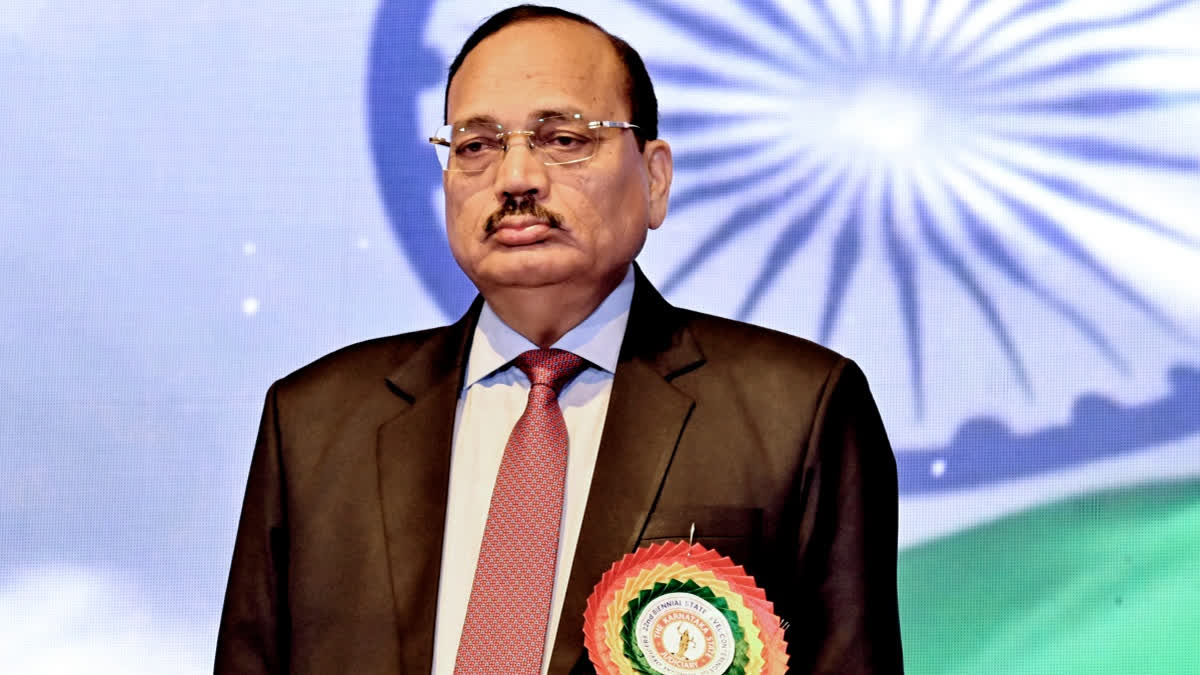
CJI Surya Kant Launches Major Digital Push with ‘One Case One Data’ Initiative and AI Chatbot ‘Su-Sahay’
In a significant step toward modernising India’s judicial ecosystem, Chief Justice of India Surya Kant has launched the “One Case One Data” initiative along with an artificial intelligence-powered chatbot named “Su-Sahay.” The twin initiatives aim to streamline case management, enhance data accessibility, and improve overall efficiency within the country’s courts.
The announcement marks a major milestone in the judiciary’s ongoing digital transformation drive, which has been focusing on reducing procedural delays and improving transparency through technology-driven solutions.
A Unified Digital Framework for Case Data
The “One Case One Data” initiative is designed to create a unified and structured digital repository for all case-related information. Under this system, each case will have a consolidated digital profile containing filings, hearings, orders, and procedural updates in a single accessible format.
Judicial authorities believe this approach will significantly reduce duplication of records and eliminate inconsistencies across multiple databases. It is also expected to make case tracking easier for judges, court staff, and legal professionals, thereby improving decision-making efficiency.
The initiative is seen as part of a broader strategy to integrate data across courts and ensure that information flows seamlessly between different levels of the judiciary.
AI Chatbot ‘Su-Sahay’ to Assist Legal Processes
Alongside the data initiative, the judiciary has introduced “Su-Sahay,” an AI-powered chatbot developed to assist users with legal information and case-related queries.
The chatbot is expected to serve as a digital support tool for lawyers, litigants, and court officials by providing quick access to procedural guidance, case status updates, and relevant judicial information. It is also designed to reduce the burden on court staff by handling routine inquiries that do not require direct human intervention.
Officials involved in the project highlighted that the chatbot has been developed with a focus on accessibility and ease of use, aiming to bridge the gap between complex legal processes and public understanding. 
Enhancing Efficiency and Reducing Delays
The combined rollout of the “One Case One Data” system and the AI chatbot is expected to address long-standing challenges in the Indian judicial system, including case backlogs, fragmented data management, and delays in information retrieval.
By digitising and centralising case data, courts are expected to achieve faster processing times and improved coordination between departments. The integration of artificial intelligence is also anticipated to reduce administrative workload, allowing judicial officers to focus more on substantive legal matters.
Part of a Broader Judicial Modernisation Effort
The initiatives align with the judiciary’s broader push toward e-governance and technological adoption. Over the past few years, Indian courts have increasingly embraced digital filing systems, virtual hearings, and online case tracking platforms.
With the introduction of AI-based tools like Su-Sahay and structured data systems like One Case One Data, the judiciary is moving toward a more interconnected and technology-enabled ecosystem.
Looking Ahead
Legal experts suggest that while the success of these initiatives will depend on implementation at scale, they represent a significant shift in how judicial processes are managed in India. If effectively deployed, these tools could reshape case management practices and bring greater transparency and efficiency to the justice delivery system.
The launch underscores a growing recognition within the judiciary of the need to leverage emerging technologies to meet the demands of a rapidly evolving legal landscape.