
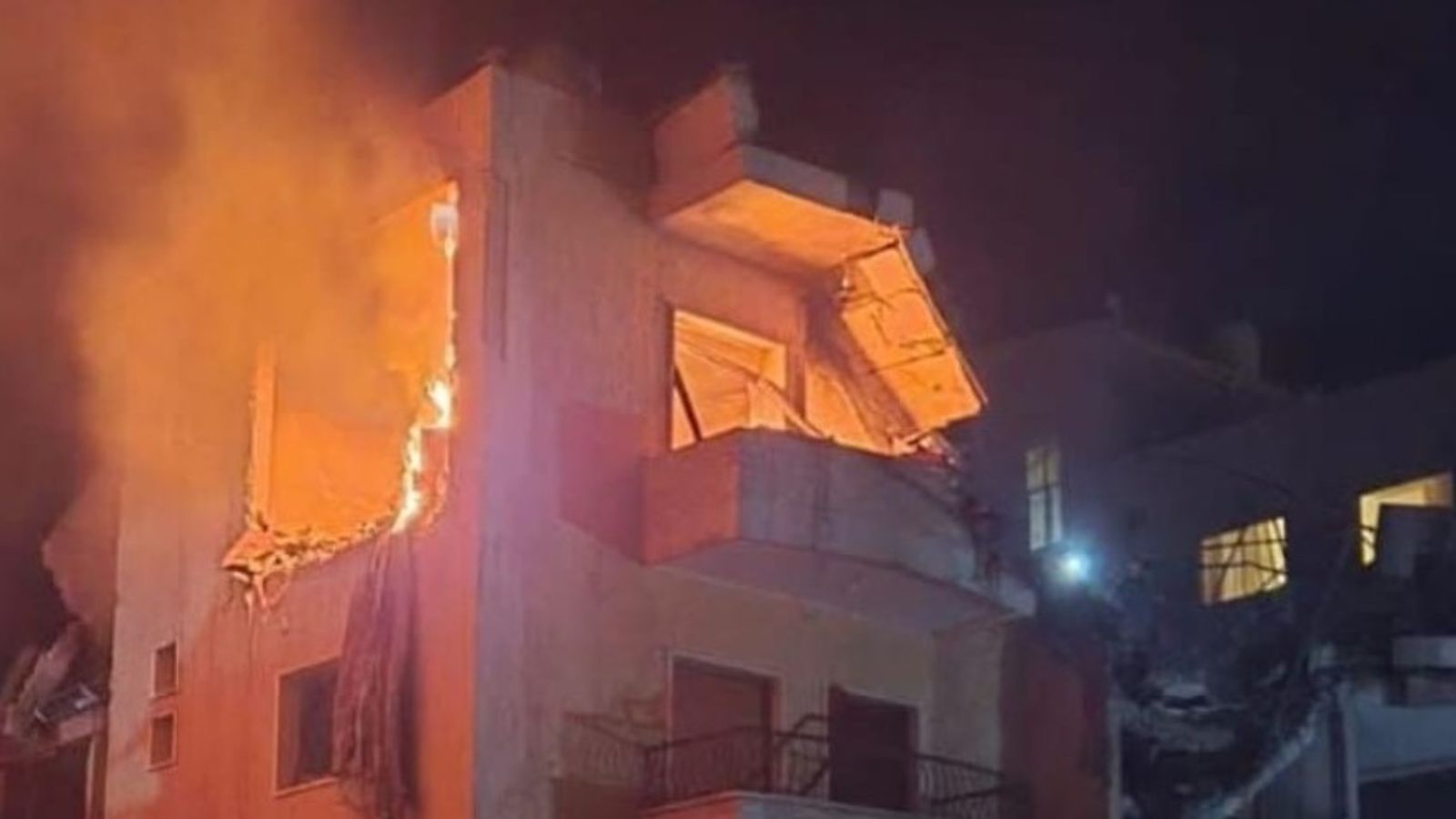
At least 12 people were killed in a fresh wave of Israeli airstrikes across southern Lebanon, marking another deadly escalation in the ongoing conflict along the Israel-Lebanon border. Lebanese health authorities confirmed that the casualties included civilians, children, and emergency responders, while dozens more were reported injured as strikes hit multiple towns and villages in the country’s south.
The attacks targeted areas in the Nabatieh region and surrounding districts, where residents have endured months of intermittent bombardment amid intensifying hostilities between Israeli forces and Hezbollah fighters. The latest strikes have further deepened fears that the conflict could spiral into a broader regional confrontation despite repeated international calls for restraint.
According to Lebanese officials, several residential areas suffered extensive destruction after Israeli warplanes launched coordinated assaults overnight and into the early hours of the morning. Emergency teams and rescue workers rushed to damaged neighborhoods to search for survivors trapped beneath collapsed buildings and debris.
Among the victims were reportedly two children and a paramedic, underscoring growing concerns about the mounting civilian toll in the conflict. Medical authorities in Lebanon stated that hospitals in the affected regions were placed on emergency footing as ambulances transported the wounded from multiple strike locations.
Israeli authorities have maintained that their operations are aimed at targeting Hezbollah infrastructure and commanders operating in southern Lebanon. Israeli Prime Minister Benjamin Netanyahu reiterated that Israel would continue military operations against individuals and groups it considers threats to national security, warning that “no terrorist is immune” from Israeli action.
The escalation comes amid an already volatile security environment across the Middle East, where tensions involving Israel, Hezbollah, Iran, and armed groups aligned with Tehran have intensified in recent months. Cross-border exchanges between Hezbollah and Israeli forces have become increasingly frequent, with rockets, drones, and artillery fire contributing to instability in the region. 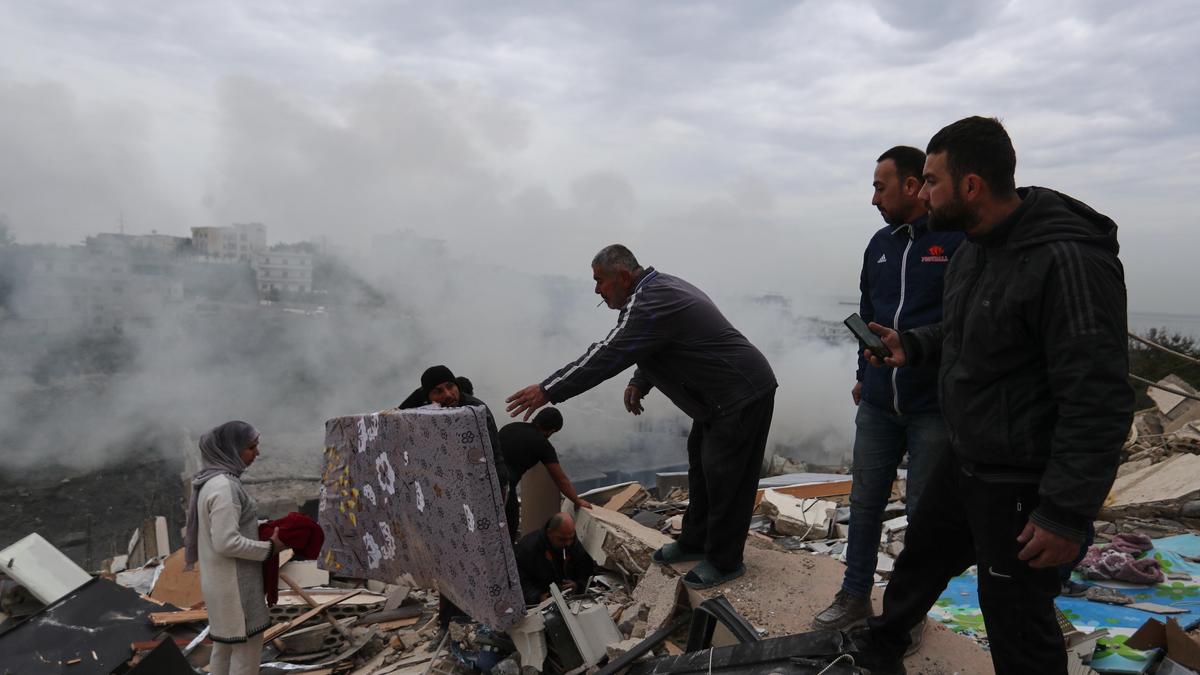
Lebanese political leaders condemned the strikes and accused Israel of violating international law and targeting civilian-populated areas. Officials in Beirut warned that continued attacks could destabilize ongoing diplomatic efforts aimed at preventing a wider regional war.
The latest assault follows reports of Israeli strikes on Beirut’s southern suburbs earlier this week, including an operation that reportedly targeted a senior Hezbollah commander. That strike was described as one of the most significant attacks on Beirut since a temporary ceasefire arrangement earlier this year.
Security analysts believe the renewed attacks indicate a shift in Israel’s military posture toward Lebanon, particularly after recent exchanges involving Hezbollah’s elite Radwan force. Observers have noted that Israel appears increasingly willing to strike deeper inside Lebanese territory as tensions continue to rise.
Humanitarian concerns are also growing rapidly. Thousands of Lebanese civilians have reportedly fled towns near the southern border in recent weeks, fearing further bombardment. Aid organizations have warned that repeated attacks on infrastructure, homes, schools, and medical facilities are worsening conditions for displaced families already struggling with economic hardship and instability.
International diplomatic efforts to contain the conflict remain fragile. Global powers and regional mediators have repeatedly urged restraint, fearing that continued escalation could trigger a broader Middle East war involving multiple countries and armed groups.
Despite those appeals, violence has persisted across several fronts, with Lebanon increasingly becoming a central theater in the wider regional confrontation. Military analysts warn that unless diplomatic channels succeed in reducing tensions, the risk of prolonged conflict and additional civilian casualties will continue to rise sharply.