
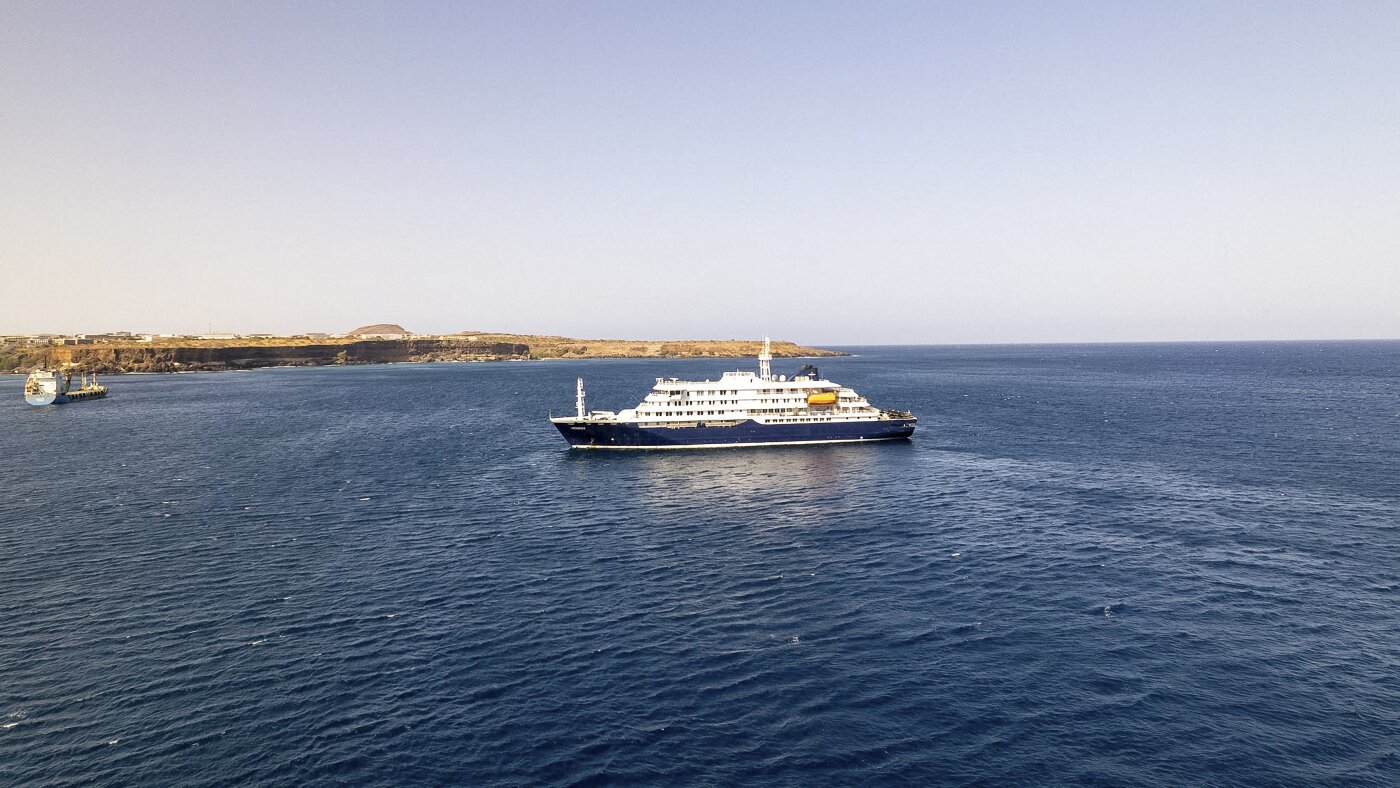
A rare and potentially deadly hantavirus outbreak aboard an Atlantic expedition cruise ship has triggered an international public health response, with health authorities racing to trace passengers across multiple countries after several fatalities and confirmed infections were reported.
According to global health officials, the outbreak is linked to the cruise vessel MV Hondius, which was traveling through remote South Atlantic regions after departing from Ushuaia, Argentina, in early April. The World Health Organization (WHO) confirmed that multiple passengers developed symptoms consistent with hantavirus infection during the voyage, with several cases later testing positive for the Andes strain of the virus — one of the few hantavirus variants known to allow limited human-to-human transmission.
Health authorities confirmed that at least three passengers have died in connection with the outbreak. The first known patient, a Dutch traveler, reportedly developed symptoms including fever, headache, and respiratory distress before dying onboard in April. His wife later fell ill and died after being transported for treatment in South Africa. A third passenger also succumbed to the illness days later.
In addition to the fatalities, several passengers and crew members reportedly showed symptoms ranging from mild fever and gastrointestinal distress to severe respiratory complications. WHO officials stated that more confirmed cases remain possible as investigations continue.
One of the major concerns for health authorities is that dozens of passengers had already disembarked from the ship before the outbreak was formally identified. Travelers reportedly left the vessel at Saint Helena and later flew to destinations across Europe, Asia, North America, and Australia.
Public health agencies in several countries have now launched contact tracing operations to monitor individuals who may have been exposed during the voyage or subsequent flights. Authorities are reportedly observing passengers for symptoms while advising isolation and medical screening where necessary. 
Despite mounting concern, WHO has assessed the broader public health risk as “low,” emphasizing that hantavirus outbreaks are uncommon and that sustained human-to-human transmission remains rare.
Hantavirus refers to a family of viruses primarily transmitted through contact with infected rodents, particularly through exposure to rodent urine, saliva, or droppings. In humans, the virus can cause severe illnesses including Hantavirus Pulmonary Syndrome (HPS), a respiratory disease that can rapidly become life-threatening.
Symptoms often begin with fever, fatigue, muscle aches, headaches, nausea, and abdominal discomfort before progressing to breathing difficulties in serious cases. Medical experts note that there is currently no specific antiviral cure or vaccine for most forms of hantavirus infection. Treatment generally focuses on supportive hospital care and respiratory assistance.
The outbreak aboard the cruise ship is believed to involve the Andes virus strain, which is primarily found in parts of South America, including Argentina and Chile. Unlike many other hantavirus strains, the Andes variant has shown limited capacity for person-to-person transmission under close-contact conditions.
Health investigators are currently trying to determine how the virus entered the ship. Early reports suggest the first infected passengers may have been exposed during excursions in southern Argentina before boarding the vessel. Authorities in Argentina have reportedly begun rodent surveillance and environmental testing in areas connected to the travelers’ itinerary.
Medical experts are also reviewing onboard protocols and the timeline of events after concerns emerged over delays in identifying the outbreak. Some passengers later claimed they were not immediately informed about the seriousness of the situation after the first death occurred during the voyage.
The ship was temporarily restricted from docking at some ports while health authorities assessed the situation. Medical evacuations were conducted for symptomatic individuals, and remaining passengers were reportedly instructed to remain isolated in cabins while sanitation and infection-control procedures were intensified onboard.
The vessel is expected to undergo extensive medical inspections and epidemiological investigations as authorities continue monitoring passengers and crew for additional symptoms.
Although the outbreak has attracted international attention due to the unusual setting and fatalities, infectious disease experts stress that the chances of a global pandemic remain extremely low. WHO officials have repeatedly emphasized that hantavirus spreads very differently from highly contagious airborne viruses and generally requires close exposure to infected rodents or prolonged close human contact in rare cases involving the Andes strain.
Health authorities continue advising travelers and the public to follow hygiene precautions, avoid contact with rodents or contaminated environments, and seek immediate medical attention if symptoms develop after possible exposure.