

The Indian rupee came under significant pressure in early trading on Wednesday, declining by 28 paise to reach 94.77 against the US dollar in the interbank foreign exchange market. The sharp fall reflected mounting global uncertainties, persistent demand for the American currency from importers, and cautious investor sentiment in international financial markets.
Currency traders indicated that the domestic unit opened on a weaker note and continued to slide as the dollar strengthened globally against major currencies. The movement highlighted concerns surrounding global economic stability, inflationary risks, and elevated crude oil prices, all of which continue to weigh heavily on emerging market currencies including the rupee.
Market analysts attributed the rupee’s weakness primarily to the broad-based recovery in the US dollar index, which measures the American currency’s strength against a basket of global currencies. Investors across international markets shifted towards safer assets amid uncertainty surrounding global interest rate trajectories and geopolitical tensions.
The strengthening dollar often places pressure on emerging market currencies because foreign investors tend to move capital towards safer and higher-yielding US assets. This capital movement reduces demand for local currencies such as the rupee, resulting in depreciation.
Dealers in the foreign exchange market said importer demand for dollars remained elevated, especially from oil marketing companies, further intensifying pressure on the domestic currency during opening trade.
Another major factor influencing the rupee’s decline was the upward movement in global crude oil prices. India imports a substantial portion of its crude oil requirements, and higher oil prices increase the country’s import bill. This raises demand for US dollars for international oil payments, thereby weakening the rupee. 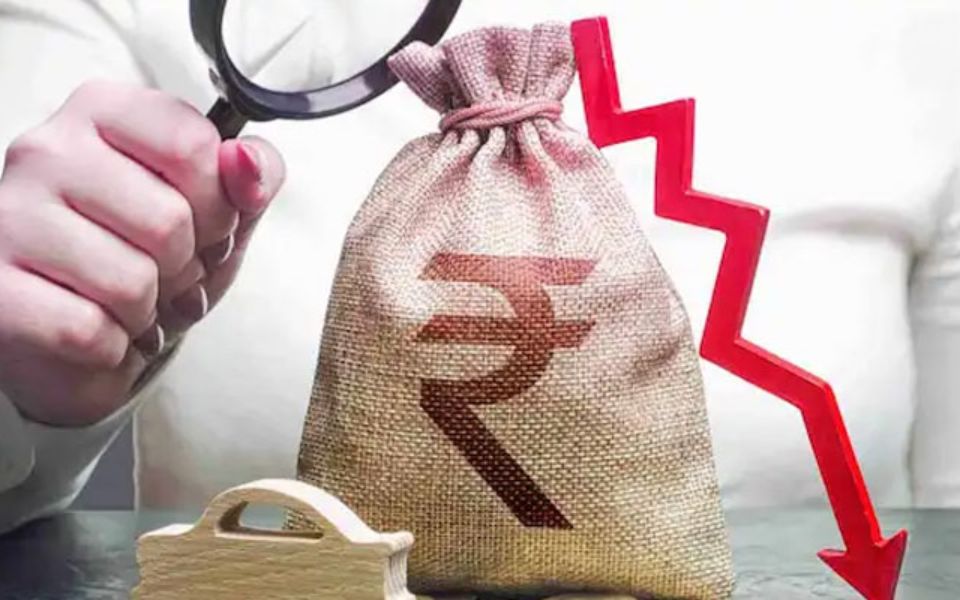
Experts noted that sustained crude price increases could create additional inflationary concerns for the Indian economy. A weaker rupee also makes imports more expensive, which may affect sectors dependent on overseas supplies and increase input costs for businesses.
Traders are also closely monitoring foreign institutional investor (FII) activity in Indian equity and debt markets. Continued outflows by overseas investors generally place pressure on the rupee because investors convert local assets into dollars before exiting the market.
Recent volatility in global equities, combined with uncertainty over monetary policy decisions by major central banks, has led investors to adopt a cautious approach toward emerging markets. Currency experts believe the rupee may remain volatile in the near term unless there is stability in global risk sentiment.
Market participants are now watching the Reserve Bank of India’s possible response to excessive volatility in the currency market. While the central bank generally allows market-driven movement in the rupee, it occasionally intervenes to prevent sharp fluctuations and maintain orderly market conditions.
Analysts stated that the RBI’s foreign exchange reserves continue to provide a strong buffer against external shocks. However, persistent global pressure and rising dollar demand may continue to test the resilience of the domestic currency. 
Apart from global developments, investors are also tracking key domestic economic indicators including inflation trends, industrial output, fiscal performance, and trade deficit data. Strong macroeconomic fundamentals could help support the rupee despite external pressures.
Economists believe that India’s long-term growth outlook remains comparatively strong among major economies, though short-term volatility in currency markets may continue due to evolving global financial conditions.
Financial market experts expect the rupee to trade within a volatile range in the coming sessions as investors assess international economic developments, oil price movements, and central bank policy signals. Any sharp rise in crude oil prices or continued strengthening of the dollar may keep pressure on the domestic currency.
At the same time, positive domestic economic data, stable capital inflows, and possible intervention by the Reserve Bank of India could help limit deeper losses for the rupee in the near term.