
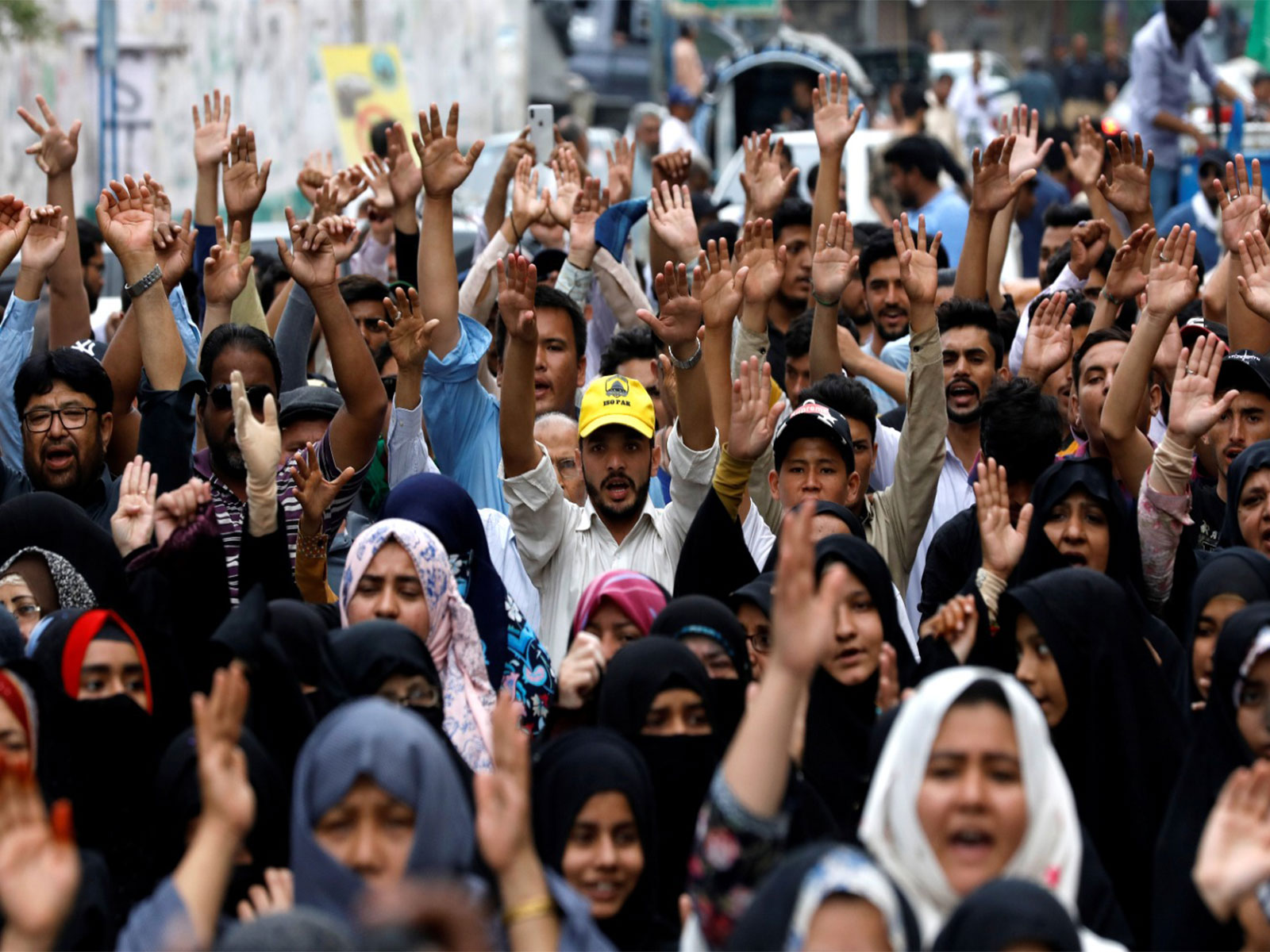
Amid mounting financial strain across Pakistan, faculty members at Karachi University have launched a significant protest by boycotting semester examinations, citing the prolonged non-payment of salaries, allowances, and other dues. The development has disrupted academic operations and highlighted the broader economic challenges affecting public institutions in the country.
The protest was spearheaded by the Karachi University Teachers’ Society (KUTS), which has repeatedly raised concerns over what it describes as administrative inaction and financial mismanagement. Faculty members, joined by university staff and employee associations, staged demonstrations on campus, voicing frustration over months—if not years—of delayed payments.
According to faculty representatives, several categories of dues remain unpaid, including compensation for evening classes, examination duties such as paper setting and invigilation, MPhil and PhD supervision allowances, leave encashment, and housing-related benefits. Teachers argue that these pending payments have placed them under severe financial stress, particularly at a time when inflation continues to drive up the cost of living across Pakistan.
The protest movement intensified with the observance of a “black day,” during which teachers and staff gathered to demand immediate resolution of their grievances. The demonstration drew participation from multiple campus bodies, signaling widespread dissatisfaction within the institution. Faculty leaders warned that the boycott of examinations was a last resort after repeated appeals to the administration failed to yield results. 
They further criticized the university’s leadership for failing to address the financial crisis effectively, calling for greater transparency, accountability, and structural reforms. Some representatives urged provincial authorities to intervene and establish oversight mechanisms to prevent recurring fiscal mismanagement.
The ongoing crisis has also begun to impact academic activities. Faculty members claim that funding for research initiatives has been severely curtailed, with certain grants reportedly suspended for several years. This, they argue, threatens the quality of education and undermines the university’s academic standing.
The boycott of examinations has created uncertainty for students, many of whom now face delays in assessments and academic progression. While some student groups have expressed solidarity with the teachers, others have raised concerns about the long-term implications of disrupted academic schedules.
This situation at Karachi University reflects a broader pattern of financial instability affecting educational institutions across Pakistan. As the country grapples with economic challenges, including inflation and fiscal constraints, public sector universities are increasingly struggling to meet operational costs and staff obligations.
Faculty members have made it clear that the protest will continue until concrete steps are taken to clear outstanding dues and restore financial stability. Without timely intervention, the crisis risks escalating further, potentially affecting not only examinations but also regular teaching activities.