
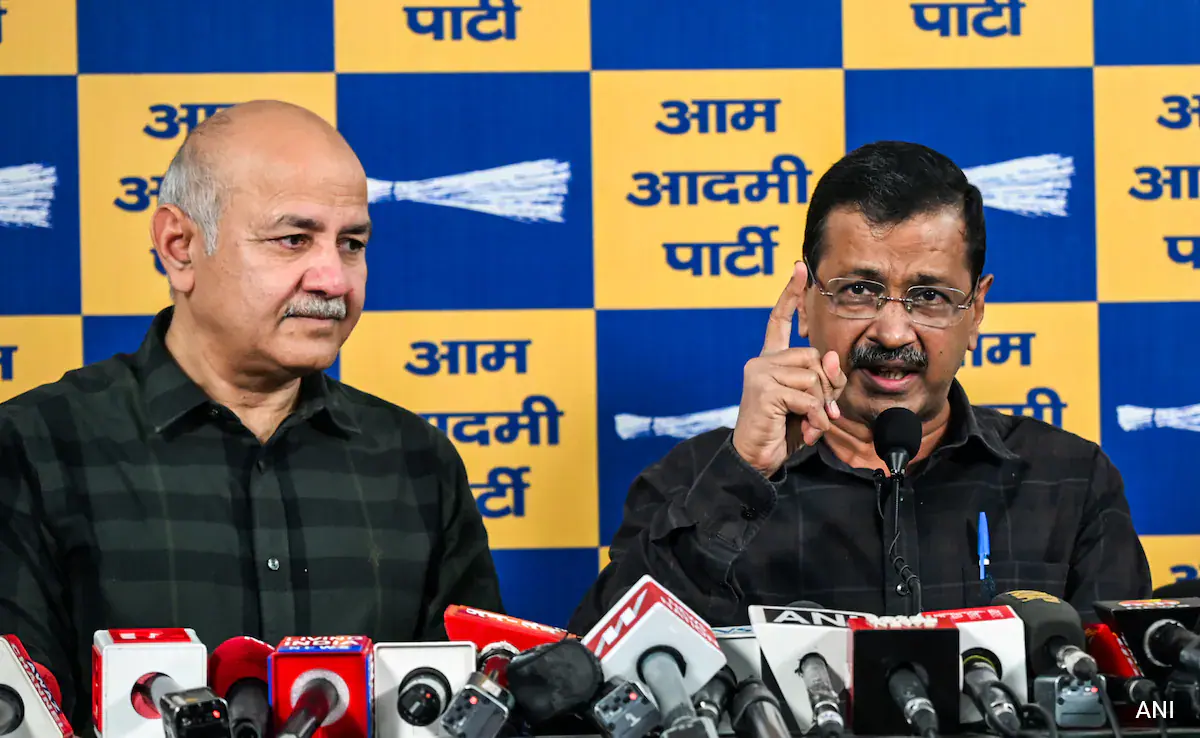
The Delhi High Court is currently hearing a crucial set of petitions in the ongoing excise policy case, a matter that continues to draw significant legal and political attention. The proceedings focus on the Central Bureau of Investigation’s (CBI) challenge to a trial court order that discharged several accused, including former Delhi Chief Minister Arvind Kejriwal and former Deputy Chief Minister Manish Sisodia.
The hearing is being conducted before Justice Swarana Kanta Sharma, who is examining multiple connected pleas arising from the same investigation, including a separate application filed by the Enforcement Directorate (ED).
The CBI has strongly opposed the trial court’s decision to discharge the accused, arguing that the order overlooked substantial evidence gathered during the investigation. According to the agency, the alleged irregularities in the now-scrapped Delhi excise policy point to a broader scheme involving financial misconduct and undue advantages to select private entities.
The agency’s revision petition seeks restoration of criminal proceedings, asserting that the threshold for framing charges had been wrongly assessed at the earlier stage. It maintains that the matter requires a full trial to establish the extent of alleged irregularities.
In a parallel development, the Enforcement Directorate has approached the High Court seeking expungement of certain observations made by the trial court. The agency has argued that these remarks were unwarranted and could potentially affect ongoing investigations linked to the same policy matter. 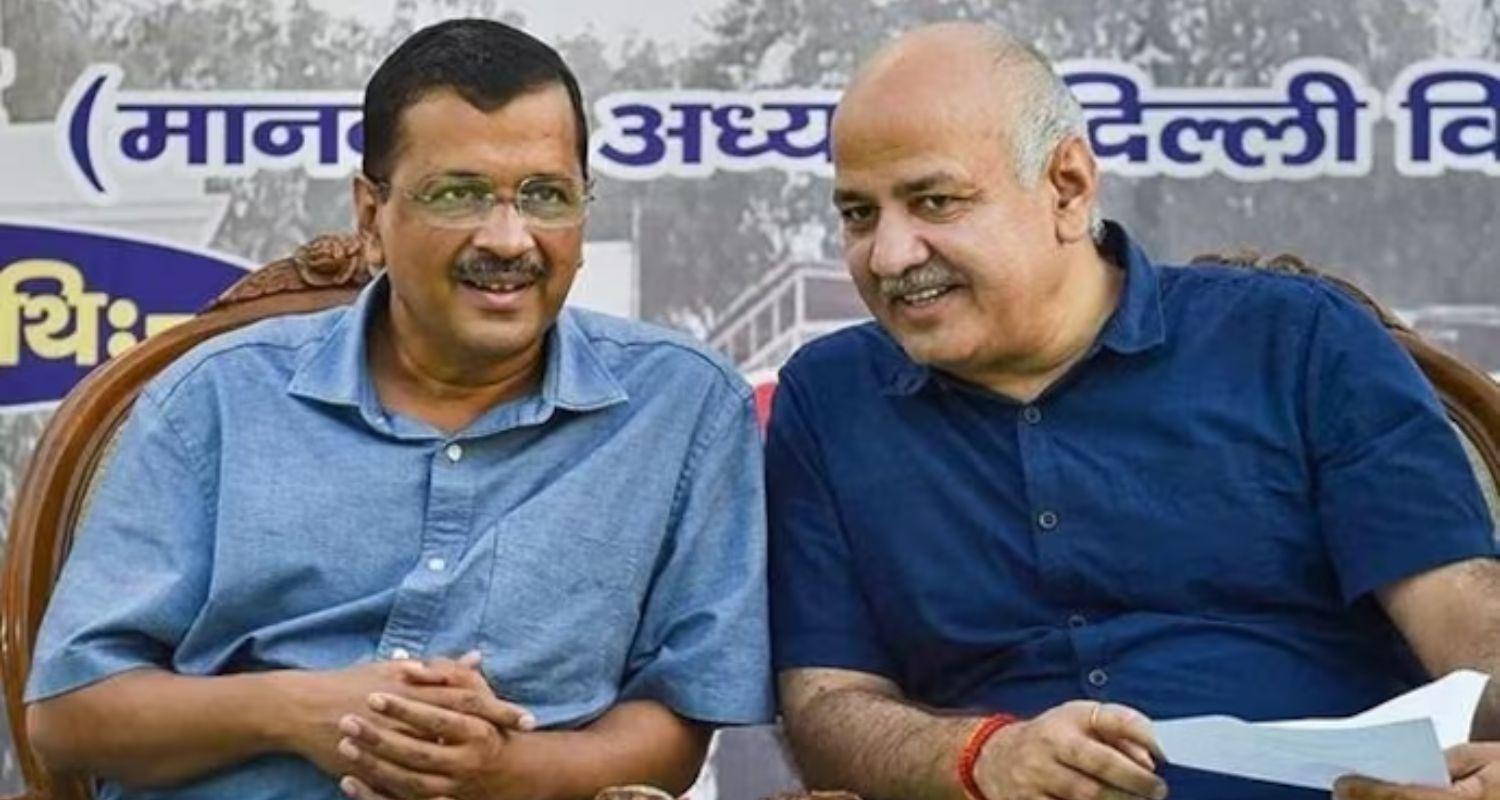
The ED has stressed that judicial observations questioning investigative actions may have broader implications for financial crime probes, especially in cases involving coordinated investigations by multiple agencies.
The case also saw procedural tension when the accused sought the recusal of the presiding judge, citing concerns over fairness in the hearing process. However, the High Court rejected the plea, stating that judicial recusal cannot be sought without substantial justification and that such requests could undermine judicial independence if made routinely.
Following this decision, Kejriwal, Sisodia, and another senior leader communicated their decision to abstain from participating in proceedings before the concerned judge, adding a new dimension to the ongoing legal dispute.
The excise policy case stems from allegations surrounding the formulation and implementation of the now-withdrawn Delhi liquor policy. Investigating agencies have alleged that procedural irregularities may have resulted in financial gains for certain private players, while bypassing established norms.
The case has seen extensive investigation by both the CBI and the ED, leading to multiple arrests, chargesheets, and court hearings over time. However, a trial court earlier discharged all accused, citing insufficient material to proceed with prosecution, a decision that has now been challenged.
With both the CBI and ED pressing their respective appeals, the Delhi High Court’s examination of the matter is expected to be detailed and closely contested. The outcome will determine whether the case proceeds to trial or whether the discharge order remains in force.
Given the involvement of senior political figures and overlapping investigative agencies, the case remains one of the most significant legal disputes currently under judicial review in the capital.
Further hearings are expected to continue in the coming days as the court evaluates the merits of the competing arguments.