
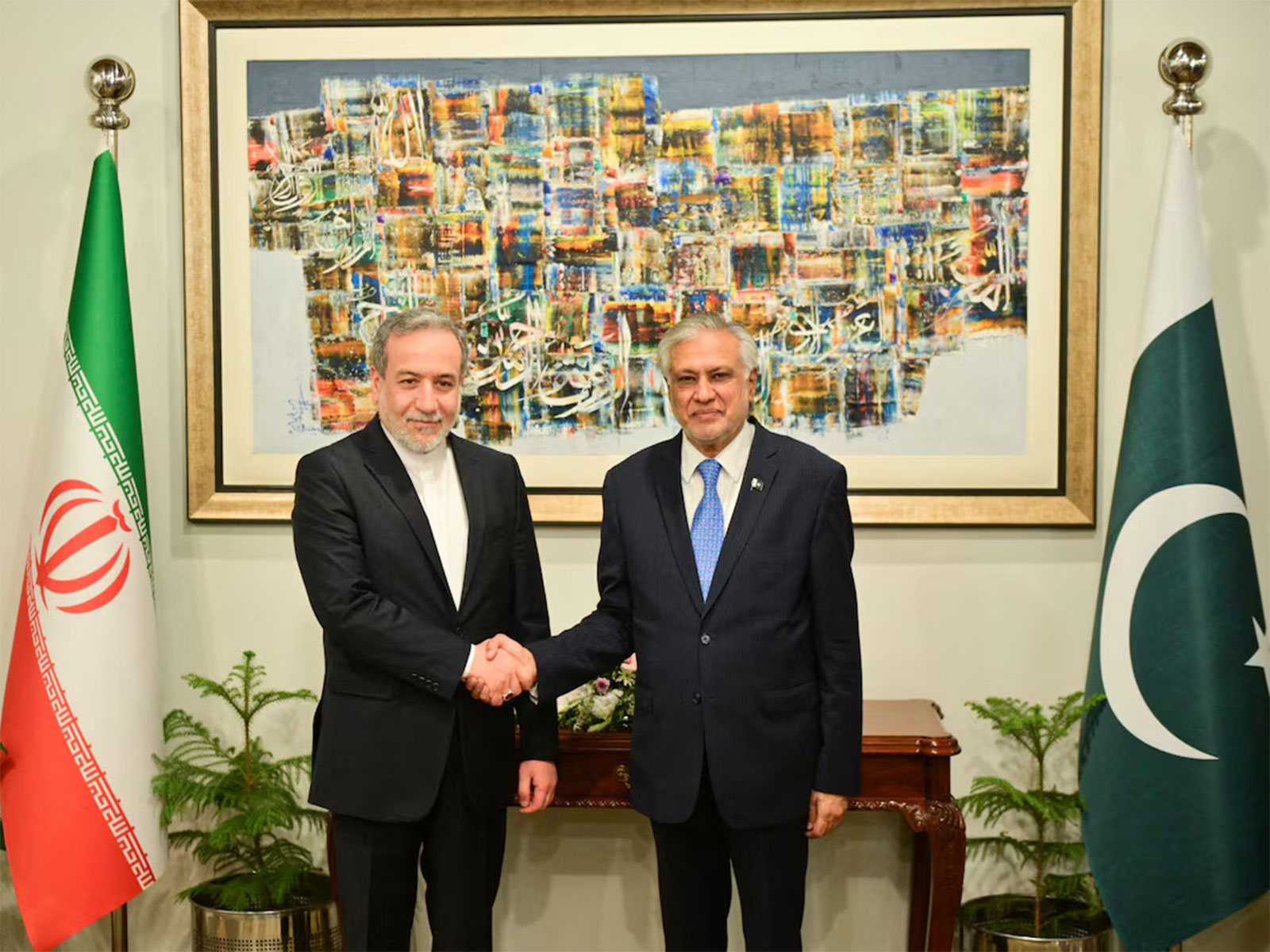
In a significant diplomatic engagement reflecting growing regional concerns, Pakistan’s Foreign Minister Ishaq Dar held a detailed conversation with his Iranian counterpart Seyed Abbas Araqchi to assess the evolving geopolitical situation in West Asia and reinforce efforts toward peace and stability.
The interaction, conducted via a late-night telephone call, focused primarily on the ongoing tensions in the region and Islamabad’s active role in facilitating dialogue among key stakeholders. According to official statements, both sides exchanged views on the current security environment and the urgent need to prevent further escalation.
During the discussion, Pakistan reiterated its firm stance that sustained dialogue and diplomatic engagement remain the only viable solutions to complex regional conflicts. Ishaq Dar emphasized Islamabad’s commitment to constructive diplomacy, underlining that peaceful negotiations are essential for achieving long-term stability not only in West Asia but also in the broader international landscape.
Iran’s Foreign Minister Araqchi acknowledged Pakistan’s efforts, expressing appreciation for its role as a mediator in ongoing geopolitical tensions. He highlighted Islamabad’s “constructive and sincere” initiatives aimed at bridging differences between conflicting parties. 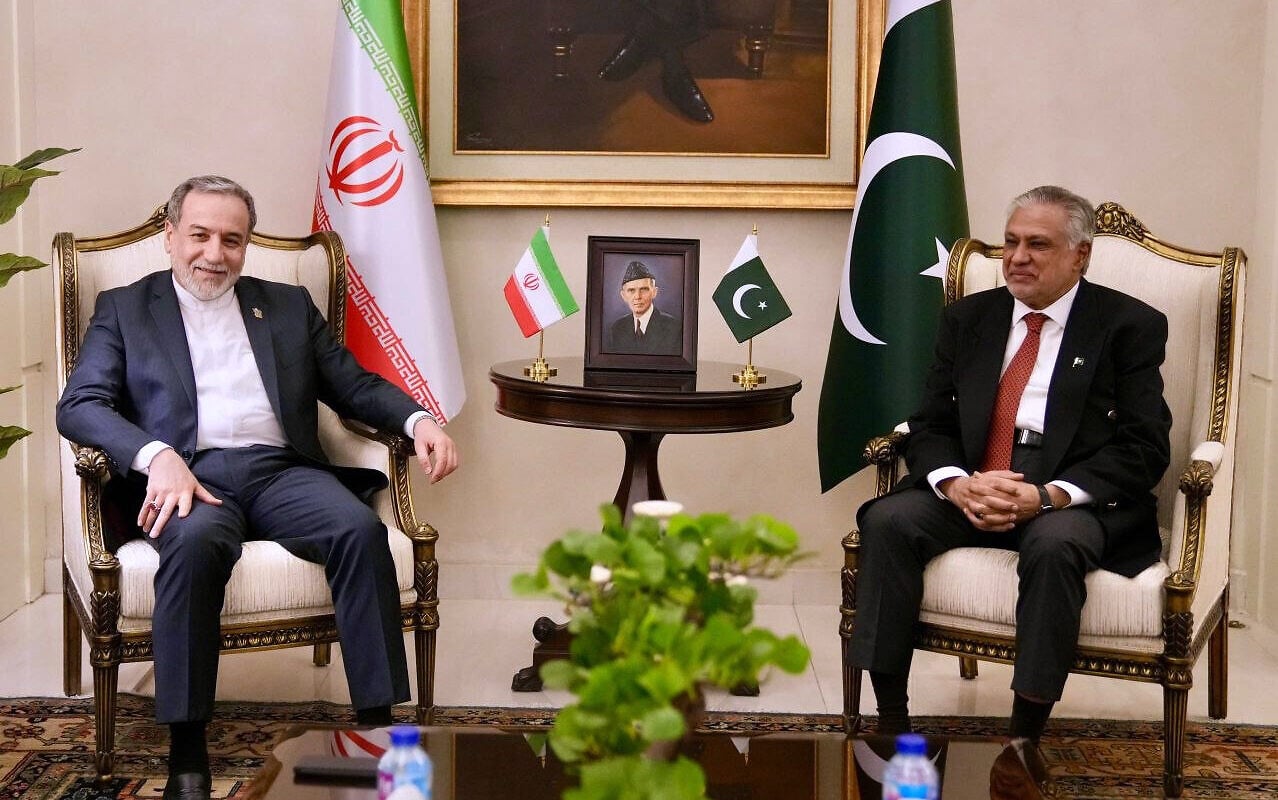
Pakistan has increasingly positioned itself as a key diplomatic intermediary amid heightened tensions involving major global and regional powers. The country has hosted and facilitated multiple rounds of negotiations, including direct and indirect talks between rival nations, in an effort to de-escalate conflict and encourage consensus-building.
The latest exchange between Islamabad and Tehran comes at a time when diplomatic channels are actively being explored to resolve ongoing hostilities. Reports indicate that competing proposals for peace and conflict resolution are under consideration, with Pakistan playing a central role in relaying messages and encouraging dialogue.
The regional situation remains delicate following recent military confrontations and a fragile ceasefire. Although hostilities have paused, underlying tensions persist, and negotiations have yet to yield a comprehensive agreement. Previous rounds of talks hosted in Islamabad failed to produce a breakthrough, but diplomatic efforts continue with renewed urgency.
Pakistan’s leadership has consistently advocated restraint, urging all parties involved to prioritize peaceful solutions and avoid actions that could trigger a broader regional conflict.
The conversation between the two foreign ministers underscores the importance of sustained diplomatic communication in managing complex geopolitical crises. As tensions continue to ripple across West Asia, coordinated efforts by regional actors like Pakistan and Iran are increasingly seen as crucial to preventing further instability.
With negotiations ongoing and multiple proposals under review, the coming weeks are expected to play a decisive role in shaping the trajectory of the conflict and determining whether diplomatic initiatives can translate into lasting peace.