
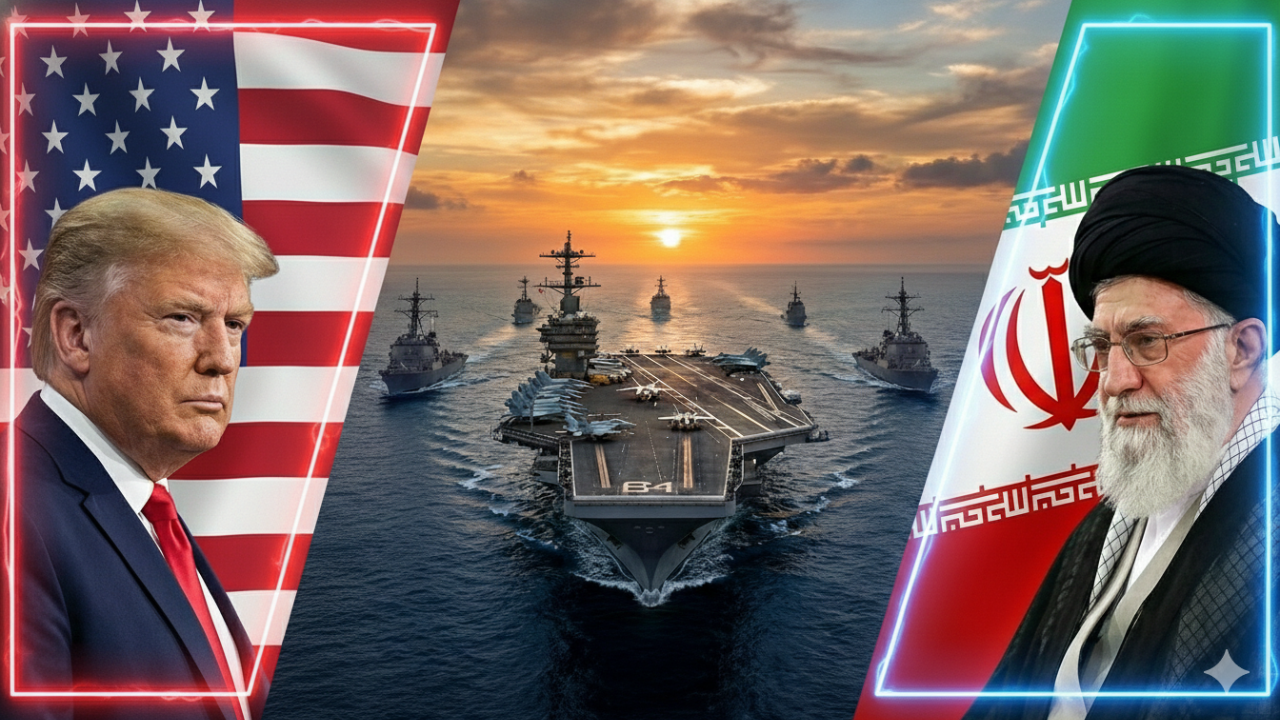
In a development that has heightened geopolitical tensions in the Middle East, former United States President Donald Trump has reportedly proposed a controversial initiative—informally referred to as “Project Freedom”—aimed at addressing escalating maritime risks in the Strait of Hormuz. The move comes amid growing concerns over Iran’s alleged strategy of leveraging its geographic advantage to exert pressure on global shipping routes.
The Strait of Hormuz, one of the world’s most critical oil transit chokepoints, has once again become the focal point of international attention. Recent reports suggest that multiple commercial vessels have experienced disruptions, raising alarms about the safety of maritime navigation in the region. The narrow waterway, through which nearly a fifth of the world’s oil supply passes, is vital not only for regional economies but also for global energy security.
According to emerging details, Trump’s “Project Freedom” envisions a more assertive U.S. posture in ensuring the free movement of ships through the strait. The proposal is believed to include enhanced naval presence, coordinated international patrols, and potentially new rules of engagement designed to deter interference by Iranian forces. While the specifics remain under discussion, the initiative signals a shift toward a more interventionist approach in safeguarding maritime trade routes.
Iran, on the other hand, appears to be using its strategic position along the Strait of Hormuz as leverage in ongoing diplomatic negotiations. By creating an environment of uncertainty for international shipping, Tehran is believed to be attempting to strengthen its bargaining power amid broader disputes over sanctions, nuclear policy, and regional influence. Analysts suggest that this tactic is part of a long-standing strategy to counterbalance Western pressure. 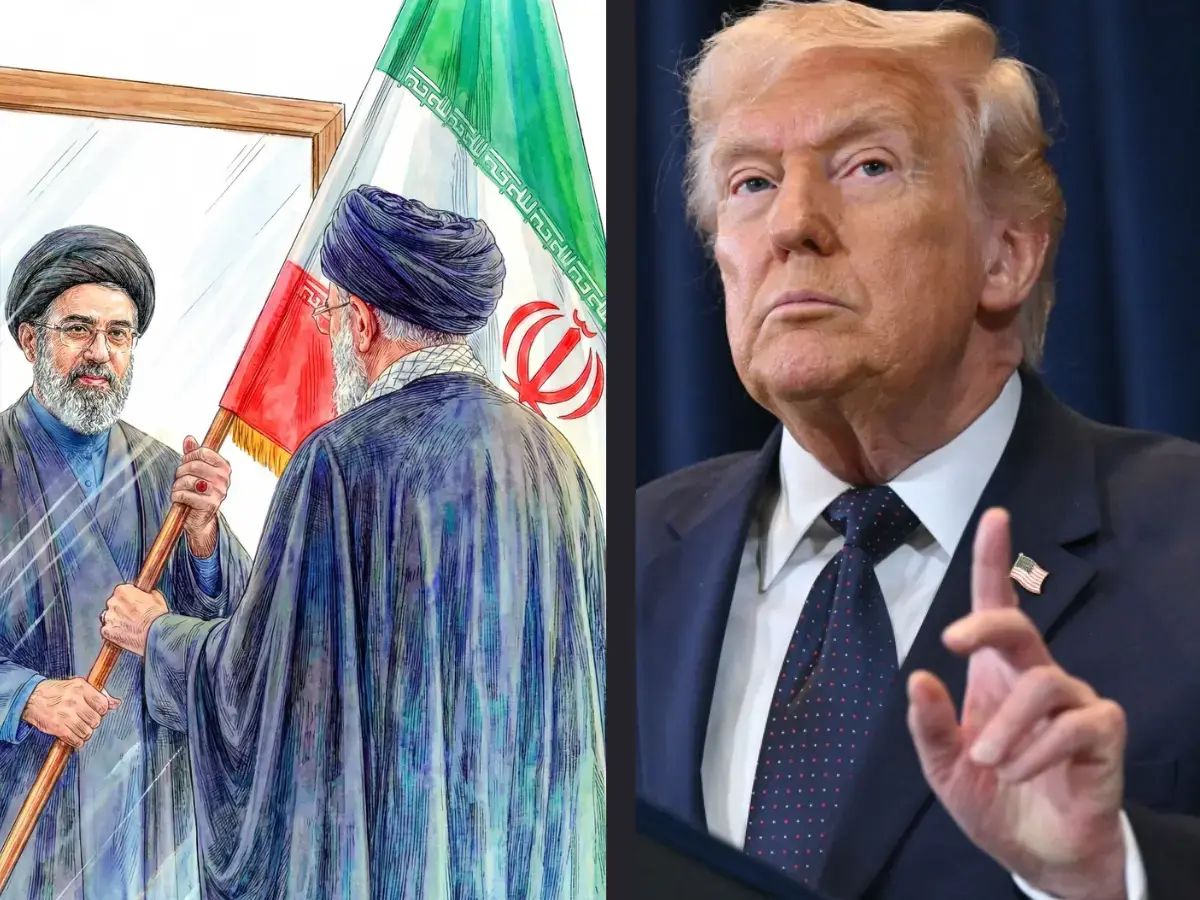
The situation has reportedly led to several vessels becoming effectively “trapped” or delayed in the region, intensifying concerns among global shipping companies and insurers. The uncertainty has already begun to impact freight costs and insurance premiums, with ripple effects being felt across international markets. Energy-importing nations, particularly in Asia, are closely monitoring the situation due to their heavy reliance on oil shipments passing through the strait.
Diplomatic efforts are ongoing, with multiple stakeholders seeking to de-escalate tensions and ensure the continued flow of commerce. However, the introduction of a proposal like “Project Freedom” adds a new dimension to the crisis. While supporters argue that a strong deterrent is necessary to maintain order and protect economic interests, critics warn that increased military activity could provoke further escalation and unintended conflict.
The broader implications of this standoff extend beyond regional politics. Any sustained disruption in the Strait of Hormuz could have far-reaching consequences for global energy prices, supply chains, and economic stability. Financial markets have already shown signs of volatility in response to the unfolding developments.
Experts emphasize the need for a balanced approach that combines diplomatic engagement with strategic deterrence. Ensuring the security of one of the world’s most vital maritime corridors requires cooperation among major powers, regional actors, and international organizations.
As negotiations continue and the situation evolves, the world watches closely. The outcome of this crisis could redefine maritime security strategies and reshape the geopolitical landscape in the years to come.