

A prominent Baloch leader has appealed to India’s External Affairs Minister S. Jaishankar, raising serious concerns over the evolving situation in Pakistan’s Balochistan province and warning that China could deploy its military forces in the region in the near future. The appeal has brought renewed international attention to the strategic implications of growing China-Pakistan cooperation.
In a strongly worded communication addressed to the Indian leadership, Mir Yar Baloch, a known voice of the Baloch movement, highlighted what he described as decades of political marginalisation, human rights violations and military repression faced by the Baloch people. He warned that the situation could worsen significantly if foreign military forces enter the region under the pretext of protecting economic interests.
Warning Over Chinese Military Presence
Mir Yar Baloch cautioned that China’s involvement in Balochistan, currently centred around large-scale infrastructure and energy projects, could soon extend beyond economic cooperation. He claimed that the pace of development under the China-Pakistan Economic Corridor (CPEC) may lead to the deployment of Chinese troops to safeguard strategic assets.
According to the Baloch leader, such a move would fundamentally alter the security dynamics of the region and further suppress local aspirations. He argued that any foreign military presence without the consent of the Baloch people would intensify unrest and create long-term instability in South Asia.
Appeal to India
In his appeal, Mir Yar Baloch urged India to play a more proactive diplomatic role in highlighting the situation in Balochistan at international forums. He called on New Delhi to raise concerns about human rights, regional security, and the potential consequences of foreign military involvement in the province.
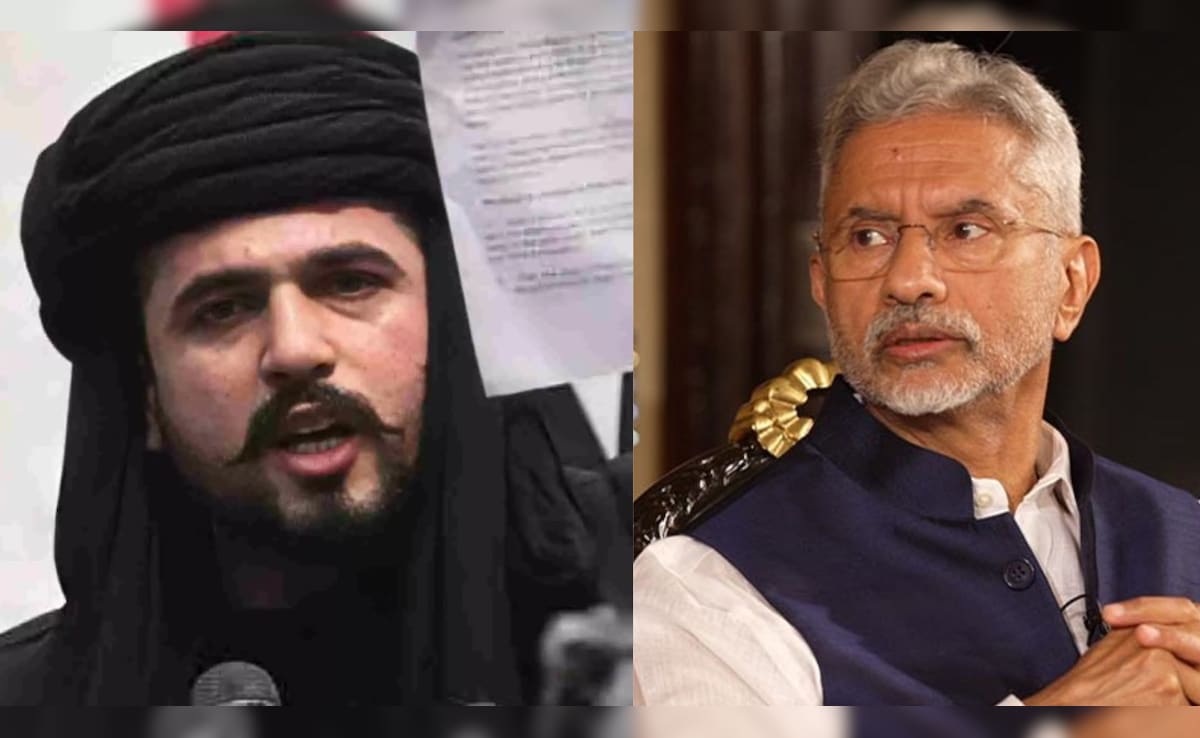
Referring to India as a key regional power with a long-standing commitment to democratic values, he expressed hope that Indian diplomacy could help draw global attention to the plight of the Baloch people and counter what he described as expanding strategic pressure in the region.
Strategic and Regional Implications
Balochistan holds immense strategic importance due to its vast coastline, natural resources and its location at the crossroads of South Asia, the Middle East and Central Asia. Analysts note that increased Chinese involvement, particularly in Gwadar and surrounding areas, has already heightened geopolitical sensitivities.
India has consistently expressed concerns over projects linked to CPEC, especially those passing through disputed territories, citing issues of sovereignty and regional stability. Any reported move towards a Chinese military deployment in Balochistan would likely intensify strategic calculations in New Delhi and beyond.
Pakistan and China’s Stand
Pakistan and China have repeatedly maintained that their cooperation in Balochistan is purely economic and development-oriented. Both countries deny allegations of militarisation, asserting that infrastructure projects are aimed at improving connectivity and economic growth.
However, critics argue that large-scale strategic investments often come with security arrangements that can gradually expand military footprints, particularly in conflict-prone regions.
Growing International Attention
While there has been no official response from the Indian government to the appeal so far, the warning has added momentum to ongoing debates around security, sovereignty and human rights in Balochistan. Observers say the letter reflects broader anxieties among Baloch groups about losing control over their land and future amid intensifying global power rivalries.
The development underscores the complex geopolitical challenges unfolding in the region, where economic ambitions, strategic interests and local grievances continue to intersect with far-reaching consequences for regional peace and stability.