

In a rare and candid acknowledgment, Pakistan’s Foreign Minister and Deputy Prime Minister Ishaq Dar confirmed that Indian forces conducted strikes on the Nur Khan Air Base earlier this year, in May. According to Dar, the strikes caused damage to critical installations and resulted in injuries to personnel stationed at the facility. The confirmation marks one of the few instances where Pakistan has openly recognized incursions into its military infrastructure amid ongoing tensions with India.
During a detailed press briefing, Dar stated that Indian forces had launched a series of drone operations over Pakistani territory. While Pakistan’s air defenses intercepted the majority of these drones, at least one drone successfully penetrated the base’s defenses, striking key facilities and causing both structural damage and personnel casualties. Dar described the incident as a “mistake” on India’s part, providing a rare acknowledgment of the operational impact on Pakistan’s military assets.
The Nur Khan Air Base, situated near Rawalpindi, functions as a central logistics and operational hub for the Pakistan Air Force. The May strikes were reported to have affected multiple installations within the base, including command centers and infrastructure critical to air operations. Following the attack, Pakistani authorities undertook immediate assessments and repair efforts to restore operational readiness at the facility.
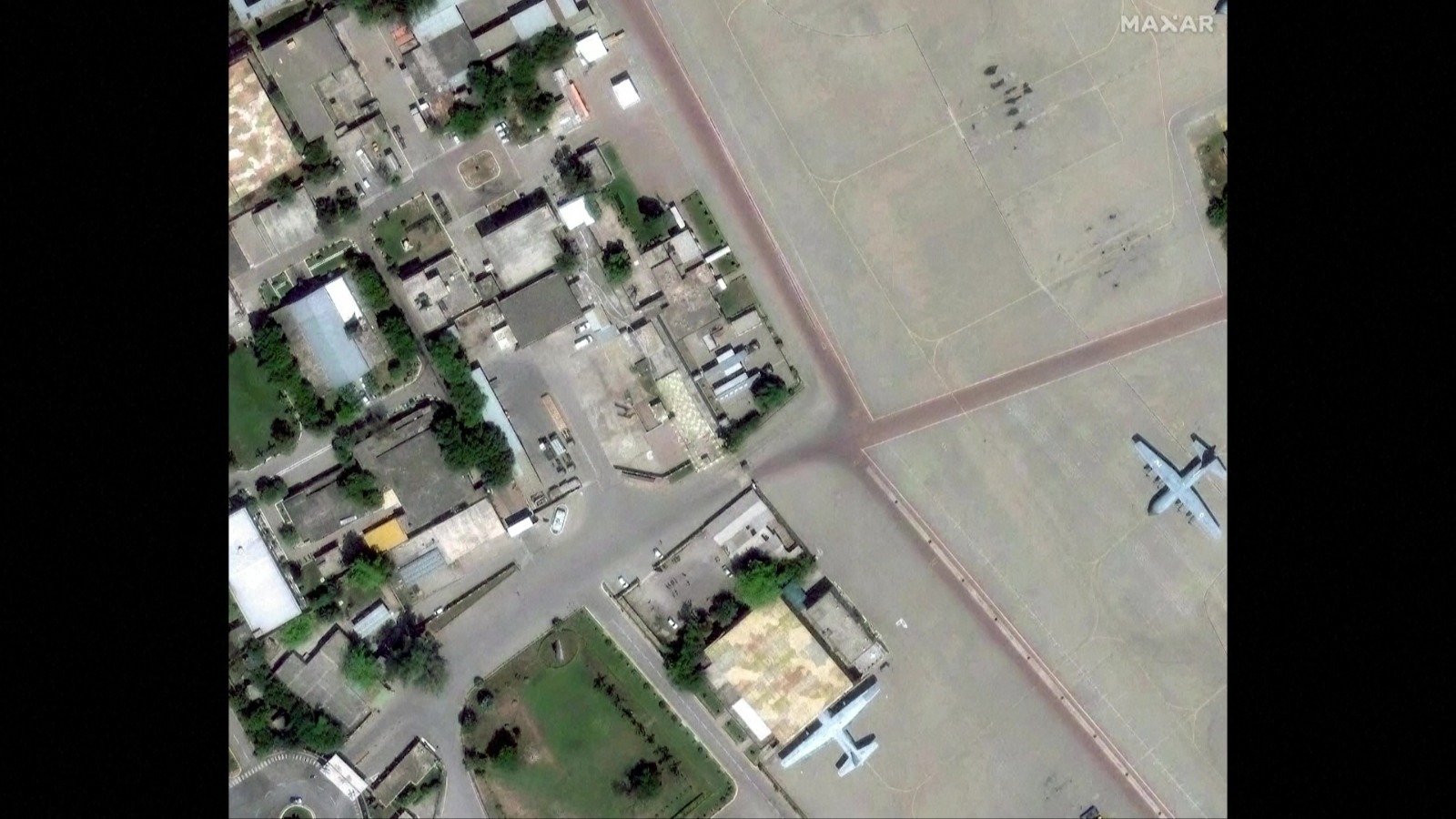
Analysts suggest that the strikes were part of broader military operations in the region, reflecting the high-stakes security environment along the India-Pakistan border. The acknowledgment of the attack provides clarity on an event that had previously been shrouded in ambiguity and occasional denials, revealing the operational and tactical challenges faced by Pakistan during that period.
The May strikes underscore the persistent volatility and strategic sensitivity in South Asia, where both India and Pakistan maintain high levels of military preparedness amid historical tensions and ongoing disputes. Observers note that Pakistan’s acknowledgment may influence future diplomatic and security calculations in the region, highlighting the ongoing interplay of military strategy, national security, and geopolitical signaling between the two nuclear-armed neighbors.
While the incident resulted in both physical damage and personnel injuries, it also served as a reminder of the broader operational realities facing the region’s militaries, emphasizing the importance of advanced surveillance, air defense, and rapid response capabilities. Pakistan’s formal confirmation of the strikes demonstrates the significance of the event and its impact on the country’s defense posture.
As India and Pakistan continue to navigate complex security challenges, the Nur Khan Air Base strikes remain a key example of the operational dynamics shaping cross-border interactions and the broader strategic environment in South Asia.