
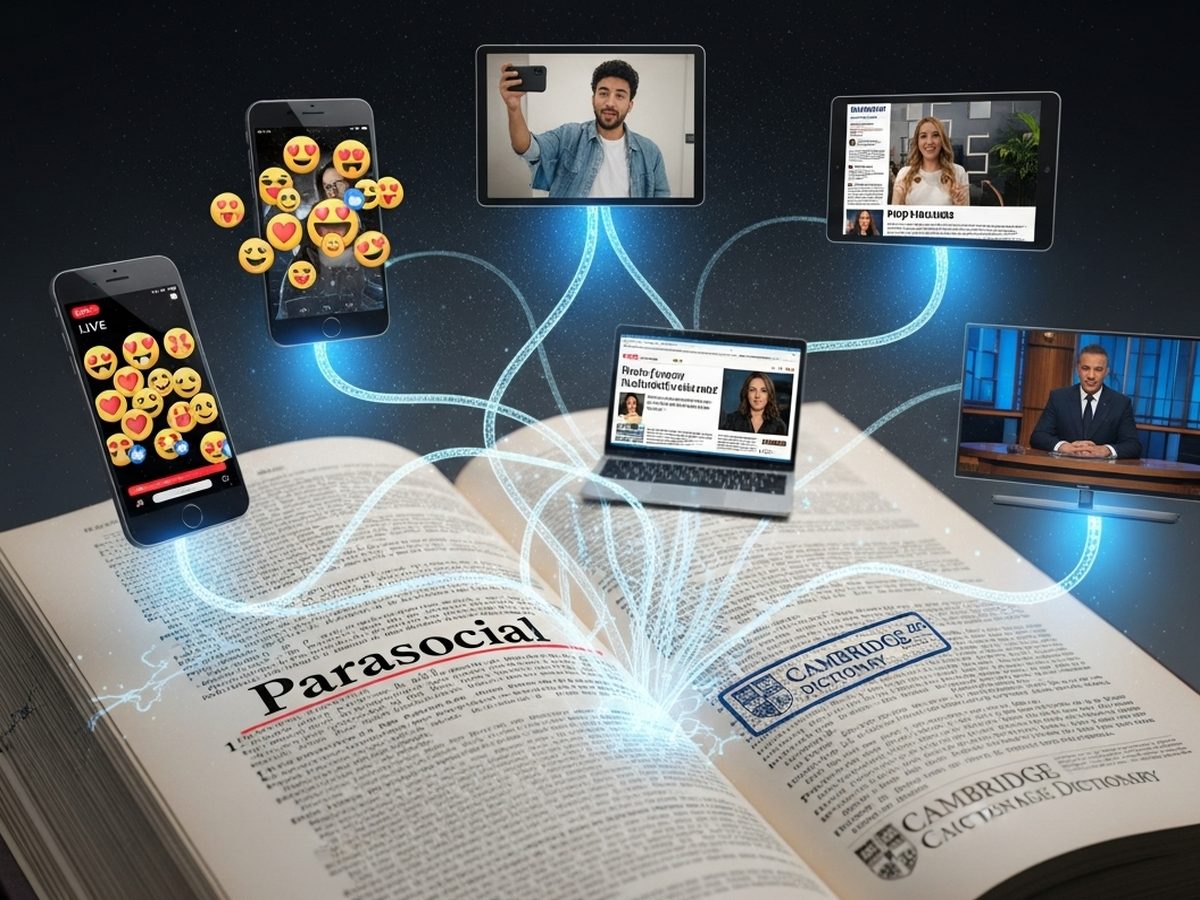
In a year dominated by social media and digital interaction, the term parasocial has emerged as the defining word of 2025, capturing the essence of one-sided emotional connections that have become increasingly common in India. Recognised as the Word of the Year, the term reflects how millions of users develop strong attachments to celebrities, influencers, fictional characters, and even AI-based virtual companions, often without any real-life interaction.
Originally coined by sociologists in the mid-20th century to describe viewers’ perceived relationships with television personalities, parasocial was once an academic term. Over the decades, with the explosion of social media, short-form video platforms, and live streaming, these one-way emotional connections have become a mainstream phenomenon. In India, where social media usage has surged, parasocial bonds are now a familiar part of everyday life, particularly among youth.
A parasocial relationship is essentially one-sided. While a user may feel emotionally connected, supported, or understood by a content creator, the feeling is not reciprocated. These bonds can create a strong sense of familiarity and even loyalty, despite the absence of actual interaction.
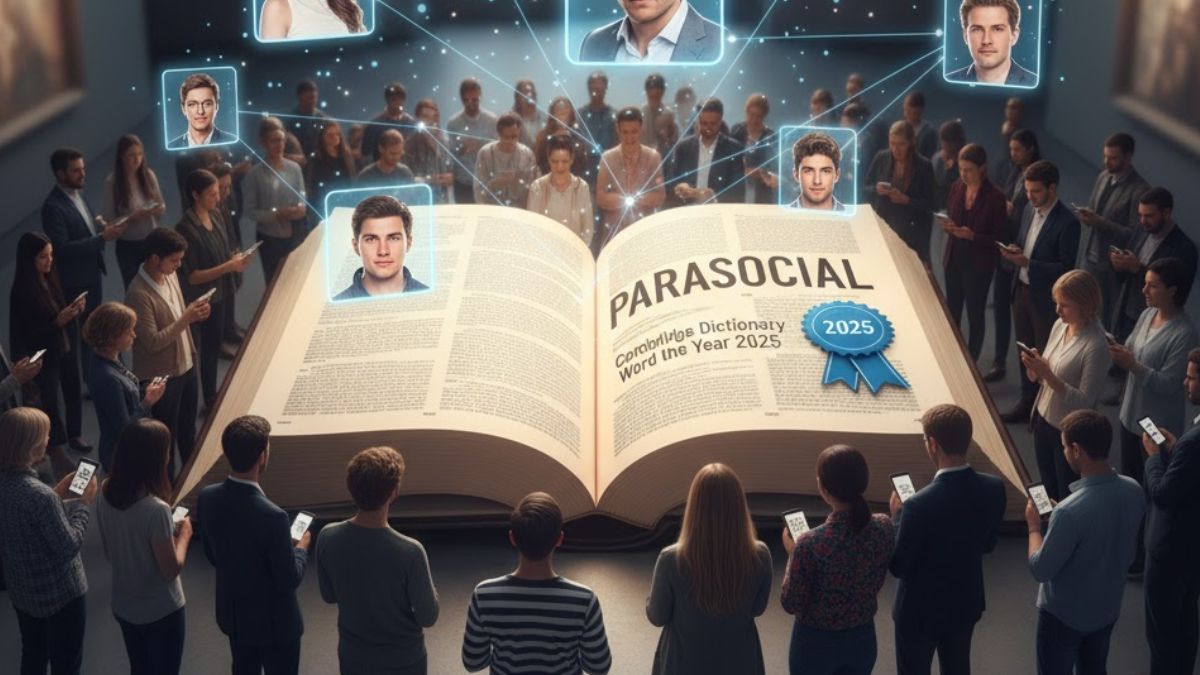
The rise of parasocial experiences in India has been fuelled by platforms such as Instagram, YouTube, and TikTok-style apps, which provide constant access to influencers’ personal lives. Frequent updates, behind-the-scenes content, and interactive livestreams foster the illusion of intimacy, making fans feel deeply connected to personalities they have never met.
Experts note that these relationships are not necessarily harmful. For many users, especially in urban centres or during periods of social isolation, parasocial connections provide comfort, motivation, and a sense of belonging. They can serve as a coping mechanism for loneliness and provide emotional support in the fast-paced digital world.
However, psychologists also caution that excessive reliance on parasocial bonds can blur the line between virtual and real-life relationships. In some cases, it may lead to unhealthy attachment, social withdrawal, or unrealistic expectations from human interactions. Awareness and moderation are therefore essential, especially among teenagers and young adults.
In India, the recognition of parasocial as Word of the Year reflects both a cultural and technological moment. It highlights how digital media and AI-driven interactions are reshaping social experiences and the way emotional connections are formed. The term’s widespread use in conversations and online discourse indicates growing awareness about the impact of virtual connections on mental health and social behaviour.
The selection of parasocial also signals an evolving linguistic trend, where words from academic or psychological contexts increasingly enter everyday usage to describe contemporary social phenomena. As more Indians engage with digital content creators and virtual personalities, understanding parasocial relationships has become vital to navigating the digital age responsibly.