
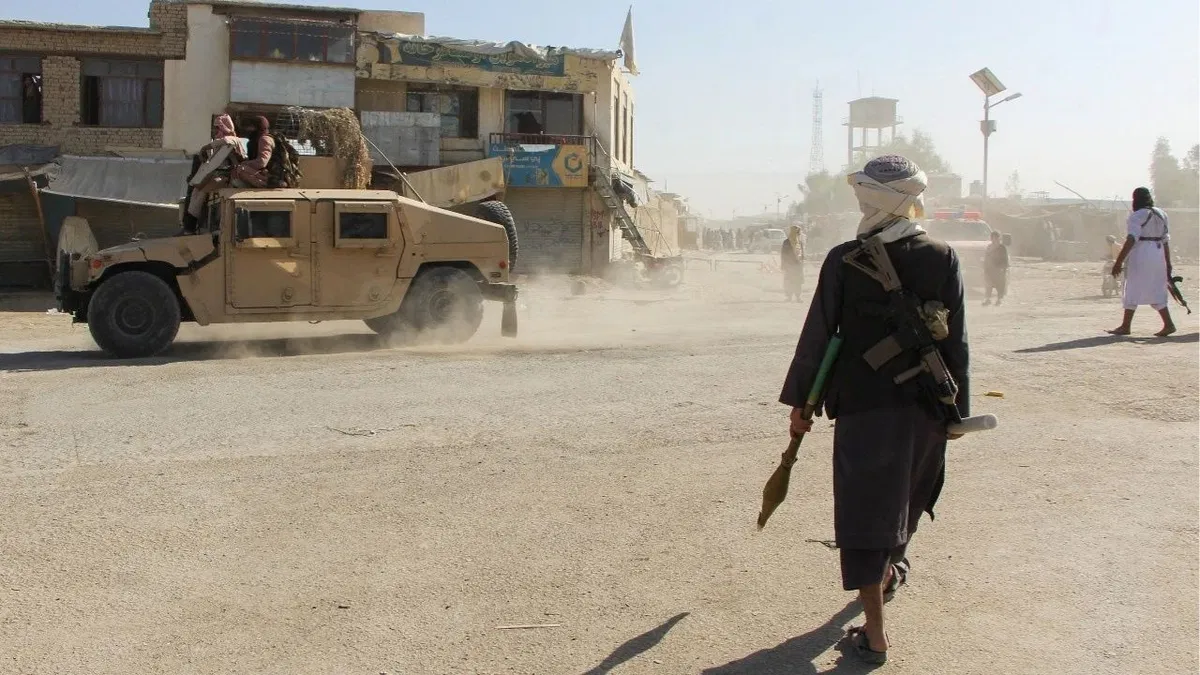
In a significant development following days of deadly violence along the border, Pakistan and the Taliban-led administration in Afghanistan have agreed to a 48-hour ceasefire. The truce, which reportedly came into effect on Wednesday evening, aims to bring temporary relief after intense cross-border clashes that claimed dozens of lives and displaced several civilians on both sides.
Rising Tensions Along the Border
The recent hostilities marked one of the most serious flare-ups between Pakistan and Afghanistan in years. Both nations accused each other of provocation and aggression. Pakistan alleged that militant groups operating from Afghan soil were targeting its forces, while Kabul countered that Pakistan’s airstrikes and artillery fire had caused civilian casualties within Afghan territory.
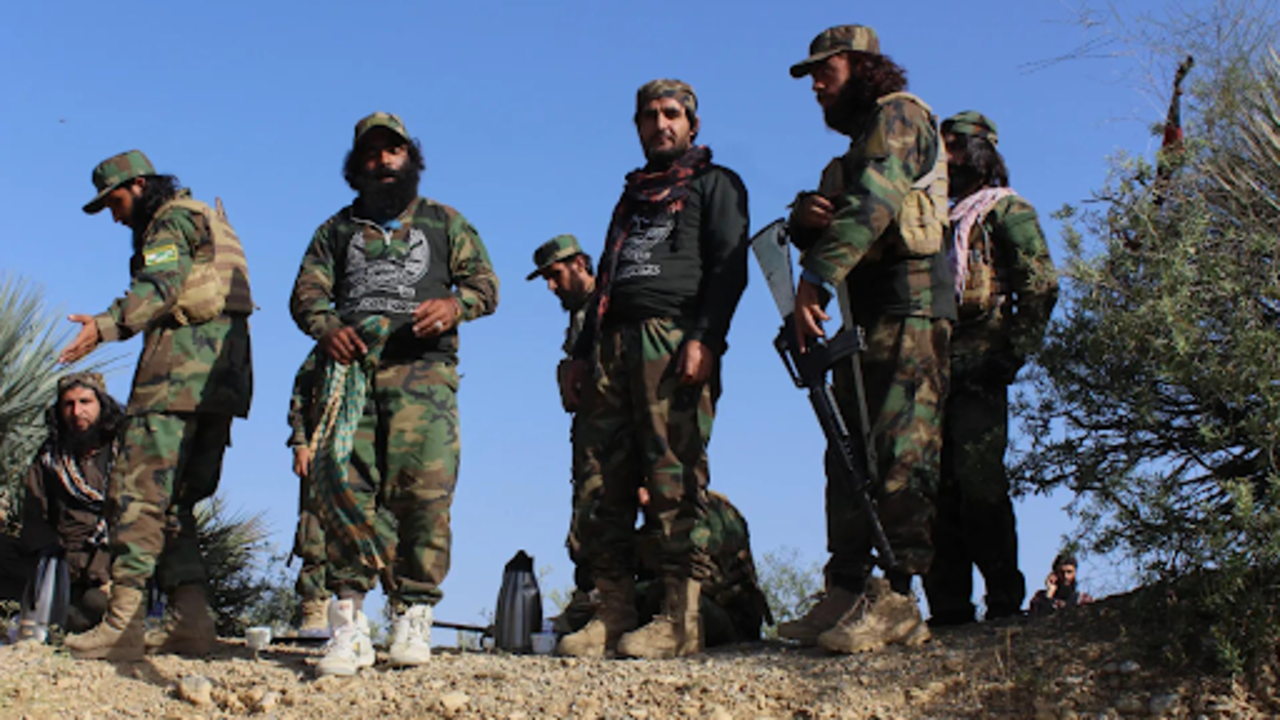
The clashes erupted primarily near the Spin Boldak-Chaman region, where border posts on both sides came under heavy fire. Pakistan’s military reportedly launched retaliatory strikes inside Afghanistan’s Kandahar province, a move that drew strong condemnation from the Taliban administration. In response, Afghan fighters claimed to have seized several Pakistani outposts and captured weapons.
Observers believe the deteriorating security situation, coupled with mounting international concern, prompted both sides to temporarily halt hostilities. Regional powers, including Qatar and Saudi Arabia, had earlier urged restraint and dialogue to prevent a larger conflict.
Ceasefire as a Window for Dialogue
Officials in Islamabad said the 48-hour ceasefire is intended to reduce tensions and provide space for negotiations between the two sides. The Pakistani Foreign Ministry described the situation as “complex but resolvable through mutual understanding and sincerity.”
While Pakistan formally confirmed the truce, Afghan authorities have yet to issue a detailed statement on the terms. However, reports indicate that local commanders from both countries have been instructed to maintain restraint and avoid further provocation during the ceasefire period.
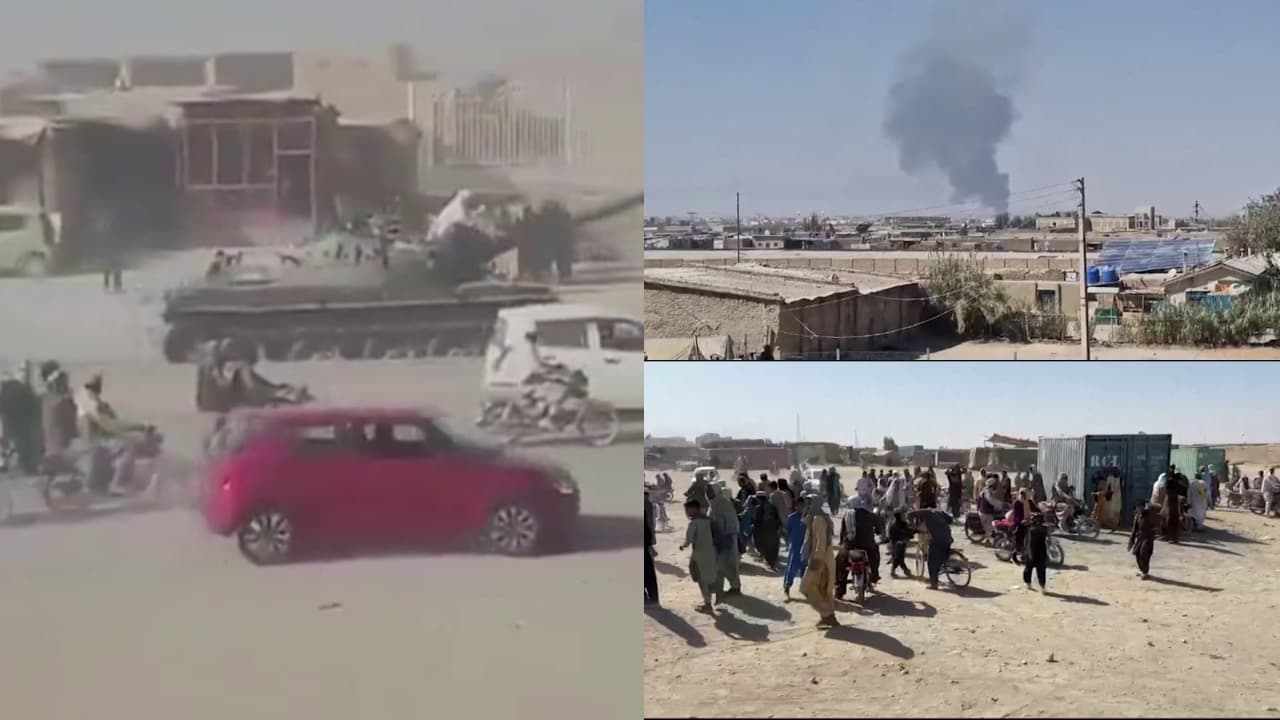
Humanitarian Impact and Regional Concerns
The clashes have triggered a humanitarian crisis in the border regions, forcing hundreds of civilians to flee their homes. Many families remain stranded in temporary shelters amid fears of renewed violence. The temporary ceasefire has raised hopes of relief for affected residents, though uncertainty looms large.
Analysts warn that the ceasefire’s success depends on mutual trust and compliance. Past truces between the two nations have often collapsed due to sporadic violations or lack of clear communication channels.
Possible Road Ahead
The latest agreement could serve as a crucial test of political will for both Islamabad and Kabul. If maintained, the truce could open doors for broader discussions on counterterrorism cooperation, border management, and regional security mechanisms.
For now, the 48-hour pause represents a fragile but important opportunity for peace in one of South Asia’s most volatile frontiers. Whether it evolves into a longer-term resolution or merely a brief lull in hostilities will depend on the next few days of diplomatic engagement.