
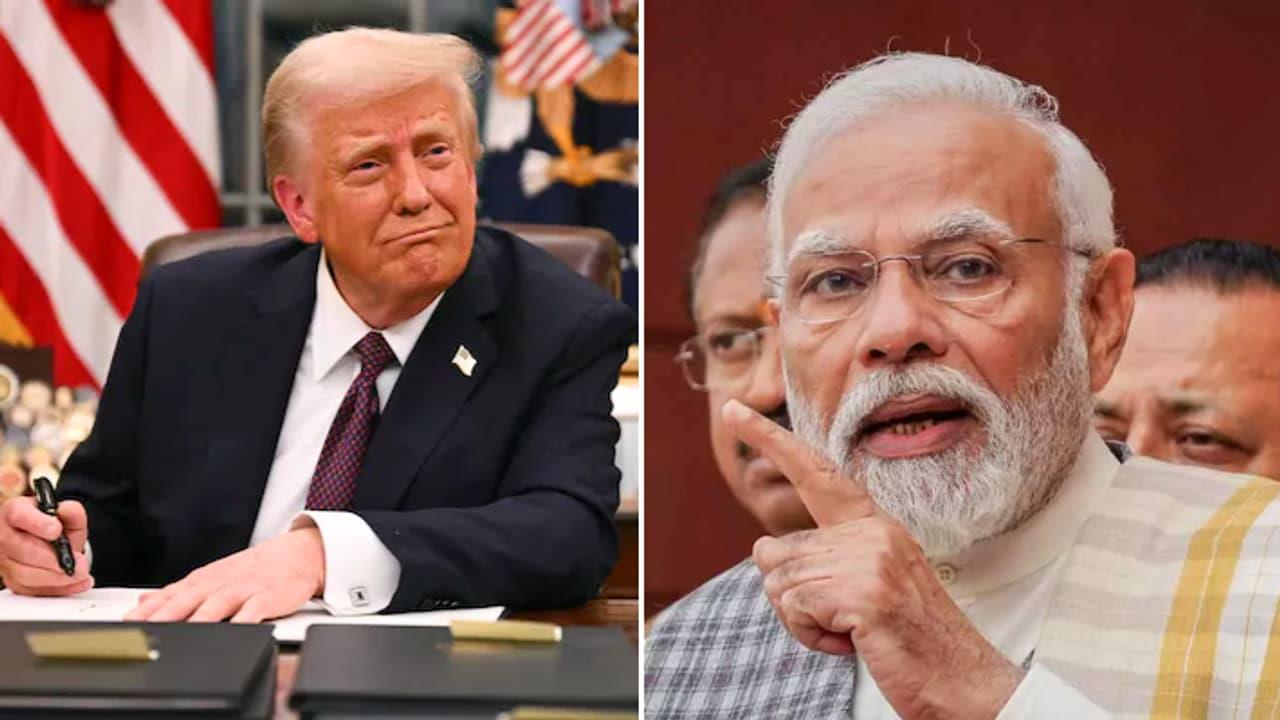
Prime Minister Narendra Modi has publicly welcomed what he describes as the successful completion of Phase 1 of former U.S. President Donald Trump’s peace plan for Gaza, while calling for humanitarian measures and the release of hostages. His comments reflect India’s interest in stability in the Middle East and its support for diplomatic initiatives in the Israel–Gaza conflict.
In a social media posting, Modi stated: “We welcome the agreement on the first phase of President Trump’s peace plan. This is also a reflection of the strong leadership of Prime Minister Netanyahu. We hope the release of hostages and enhanced humanitarian assistance to the people of Gaza will bring respite to them and pave the way for lasting peace.” He further praised the Israeli leadership, positioning the plan’s early success as evidence of “strong leadership.”
This is not the first time Modi has publicly endorsed Trump’s mediation proposal. Over recent weeks, he has twice praised the blueprint, framing it as a constructive alternative to extended conflict. His messaging underscores India’s broader diplomatic posture: supporting negotiated settlement, urging humanitarian relief, and projecting itself as a stakeholder in global peace efforts.
What Phase 1 Entails
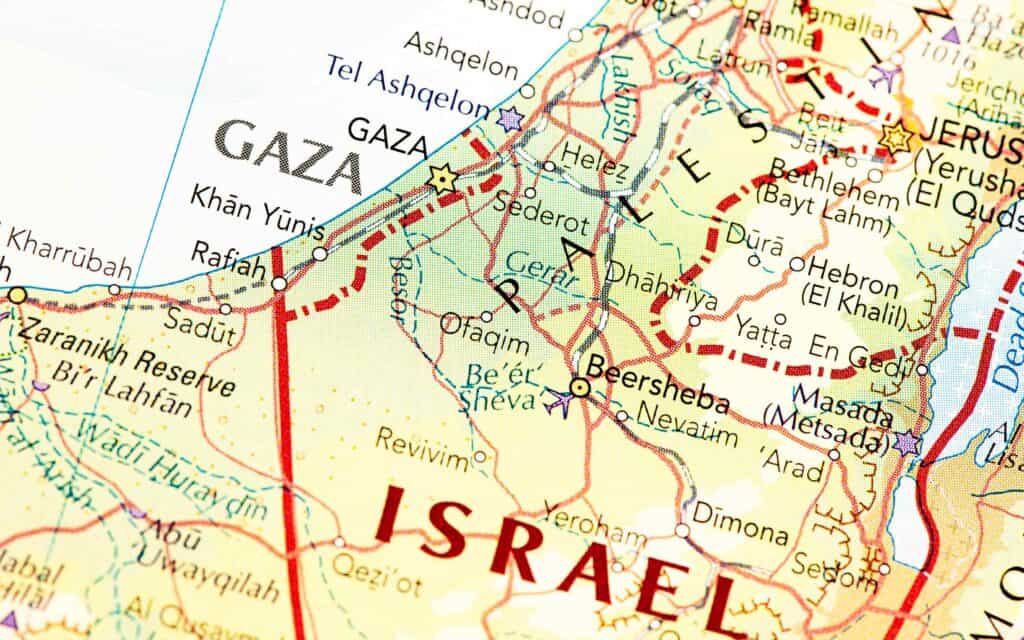
While details remain contested by various parties, Phase 1 reportedly includes pause or cessation of hostilities, exchange or release of hostages, and arrangements for humanitarian aid to Gaza. This initial step is meant to establish mutual confidence ahead of further phases concerning territorial governance, demilitarization, and reconstruction.
Modi’s emphasis on hostages and relief aid signals India’s concern for civilian welfare in conflict zones, especially given its large diaspora in the Gulf and the Middle East. It also aligns with India’s diplomatic style—supporting humanitarian consensus while avoiding public alignment with either side’s military posture.
Geopolitical and Diplomatic Ramifications
Modi’s endorsement plays into multiple diplomatic calculations:
- India–U.S. ties: By praising Trump’s plan, Modi underlines a shared interest and aligns with American initiatives in global diplomacy.
- Middle East credibility: India has sought to project balance—maintaining traditional ties with Israel while supporting Palestinian welfare. Modi’s embrace of the plan signals continuity in that posture.
- Domestic optics: Supporting a peace initiative allows the government to showcase India’s global voice and strategic relevance on international conflict resolution.
However, critics caution that early-phase successes are often fragile. Many ceasefire agreements break down before long-term accords materialize. Modi’s framing may serve to stake India’s claim as a diplomatic interlocutor, but actual influence in further phases is uncertain.
What to Watch
- Whether Trump, Israel, Hamas, and other stakeholders formally acknowledge Phase 1 as a success or contest its terms.
- The pace and scale of hostage releases and humanitarian corridors in Gaza following the plan’s authorization.
- Modi’s further diplomatic engagements—whether India will host or mediate future rounds of negotiations.
- Reactions from other major powers (Arab states, EU, UN) to India’s vocal support.
- Any alignment or divergence between India’s public diplomacy and behind-the-scenes actions (aid, humanitarian logistics, diplomatic outreach).
For now, Modi’s message places India firmly in the narrative supporting a phased peace process in Gaza, even as the challenges of implementing agreements, securing stability, and protecting civilians are far from over.