
Artificial Intelligence (AI) has become an integral part of modern workplaces and daily life, assisting with everything from productivity to communication. Increasingly, people are also turning to AI tools for personal matters, including health-related questions. However, experts warn that blindly trusting AI-generated medical advice can have devastating consequences, as shown in a recent case from Ireland.
According to reports, 37-year-old Warren Tierney, a father of two and a practicing psychologist, began experiencing difficulty swallowing. Instead of consulting a doctor, he decided to seek guidance from ChatGPT, an AI-powered chatbot. The AI tool suggested that his condition did not appear serious and reassured him that the likelihood of cancer was low. Trusting this advice, Tierney delayed medical consultation — a decision that would later prove life-threatening.
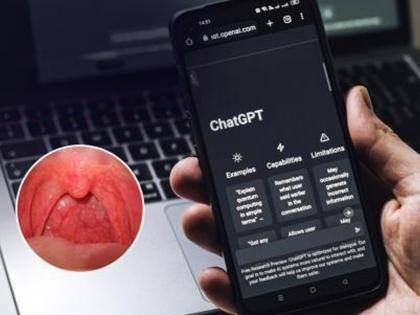
When he eventually underwent medical testing, doctors diagnosed him with Stage 4 esophageal adenocarcinoma, an aggressive form of throat cancer. This type of cancer is often detected in advanced stages, leaving limited treatment options. Global survival rates beyond five years remain as low as 5–10 percent. Tierney admitted that relying on AI for medical advice was his biggest mistake, as it cost him valuable time during which his illness silently advanced.
His wife has since launched a fundraising campaign through GoFundMe to support treatment abroad, including in Germany or India, where advanced therapies and clinical trials may offer better chances of recovery. Despite his grim prognosis, Tierney remains determined to fight for his life.
The case has sparked widespread debate about the role of AI in healthcare. While AI has proven useful in providing general information, experts emphasize that it cannot replace professional medical expertise. Medical professionals stress that AI tools should only serve as supplementary resources, not as substitutes for qualified doctors.

This is not an isolated incident. Similar cases have been reported worldwide, including one in the United States where a 60-year-old man followed AI-generated dietary recommendations, resulting in iodine deficiency and an ICU admission. Such examples highlight the risks of over-reliance on AI for critical health decisions.
Developers of AI platforms, including ChatGPT, clearly state that their tools are not intended to diagnose, treat, or replace professional healthcare advice. They caution users to seek qualified medical consultation for any health concerns. The Ireland case is a stark reminder that while AI can enhance daily tasks and decision-making, depending on it for life-and-death matters like health can come at an irreversible cost.