
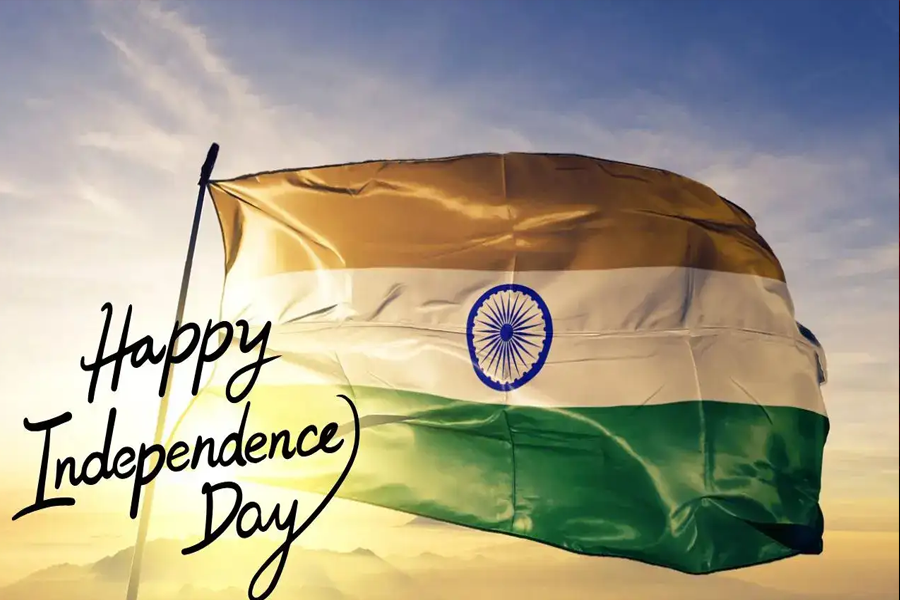
As India celebrates its 79th Independence Day in 2025, it marks a powerful moment of reflection on the nation’s journey since gaining freedom in 1947. From colonial shackles to becoming a major global force, India has undergone an extraordinary transformation over the last 78 years—economically, politically, socially, and technologically—while preserving its deep-rooted cultural values.
1947–1960: The Birth of a Nation
India’s tryst with destiny began on August 15, 1947, under the leadership of its first Prime Minister, Jawaharlal Nehru. The early years were focused on laying democratic foundations, drafting the Constitution in 1950, and establishing key institutions. The newly independent nation prioritized large-scale infrastructure—dams, steel plants, and educational institutions—while following a mixed economy model.
1960–1990: Facing Adversities, Finding Solutions
This phase was riddled with geopolitical conflicts, food insecurity, and economic instability. However, the Green Revolution in the 1960s turned India into a self-sufficient agricultural economy. By 1991, facing a balance of payments crisis, India liberalized its economy, embracing globalization, which catalyzed trade, investment, and economic reform.
1990–2010: Rising on the Global Stage
The following two decades marked India’s emergence as an IT and service industry hub. Cities like Bengaluru and Hyderabad became synonymous with innovation. Infrastructure growth and a thriving middle class redefined the economy. India also established itself as a nuclear power in 1998, boosting its international status.
2010–2025: Digital Leap and Global Influence
India’s recent years have been defined by its rapid digital transformation. Government initiatives like Digital India, UPI for seamless payments, and widespread internet access have revolutionized daily life. The country also showcased its scientific ambitions through space missions like Chandrayaan-3 and Aditya-L1. With one of the top five global GDPs, India today plays a vital role in global diplomacy, climate action, and technological leadership.
Social and Cultural Advancements
- Education: Literacy rates surged from just 12% in 1947 to over 77% by 2025.
- Healthcare: Public health initiatives improved life expectancy and access.
- Women Empowerment: Greater participation in politics, sports, and business.
- Sports: India achieved global acclaim in cricket, badminton, wrestling, and Olympics.
Ongoing Challenges
Despite progress, India still contends with persistent issues like income disparity, urban congestion, unemployment, and environmental threats. As the country moves forward, there’s a strong need for inclusive, sustainable, and innovation-driven development.
From a struggling young nation in 1947 to a confident and resilient power in 2025, India’s 78-year-long journey is a testament to its enduring spirit, unity in diversity, and relentless ambition. The future holds greater potential as India continues to stride forward while honoring its heritage.