
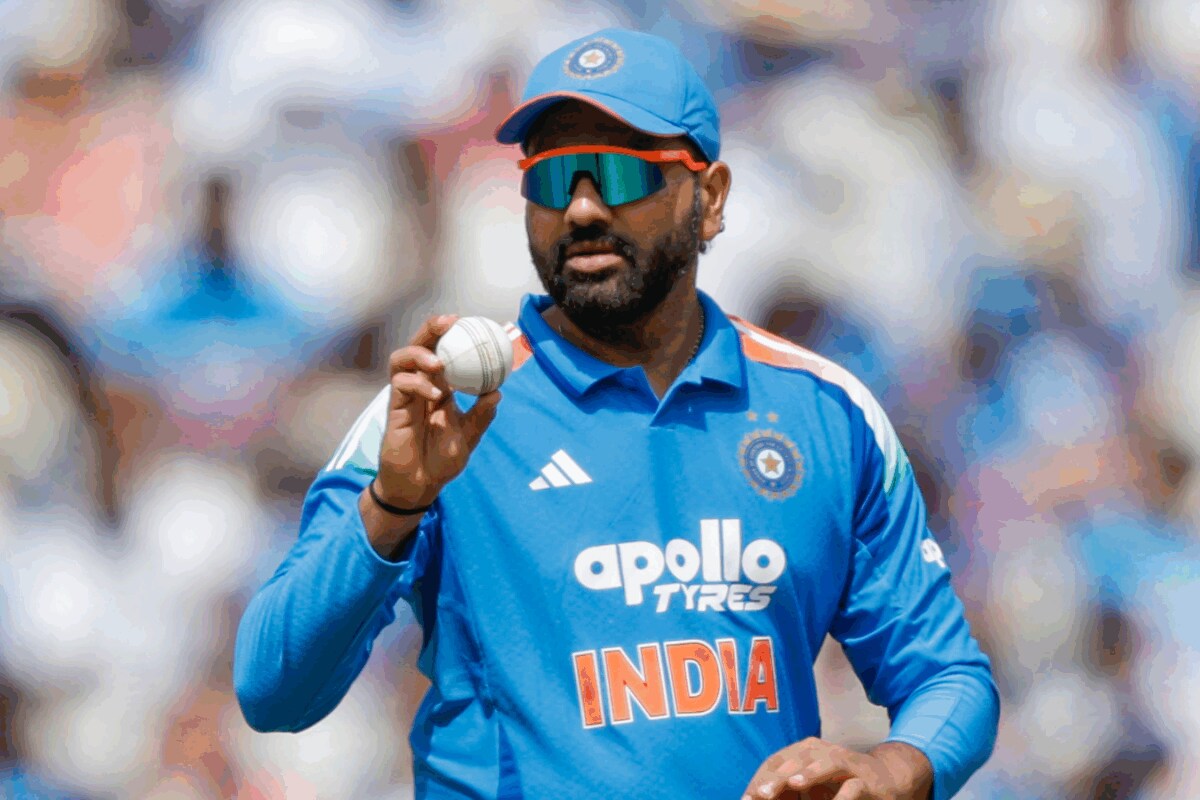
Rohit Sharma’s future in India’s ODI setup has once again become a major talking point, with his place in the squad for the 2027 ODI World Cup still far from certain despite a memorable century at Lord’s.
According to reports, the veteran opener was informed during India’s England tour in July that the national selection committee had already begun looking beyond him as part of its long-term plans. The message reportedly left Rohit angry, but he was said to have been prepared to accept the decision and consider retirement from international cricket.
The development has added another layer of uncertainty to the future of one of India’s most accomplished white-ball batters. Rohit has already stepped away from Test cricket and T20Is, leaving ODI cricket as his only remaining international format.
Rohit was reportedly prepared to retire
The latest reports suggest that the possibility of Rohit ending his international career became serious during India’s England tour.
A member of the selection committee, though reportedly not chief selector Ajit Agarkar, is said to have conveyed to Rohit that the selectors had decided to move forward without him in their longer-term plans. The situation reportedly became serious enough for the veteran batter to be asked whether he would consider announcing his retirement following the ODI at Lord’s.
Rohit was reportedly upset by the message but did not immediately react publicly. Instead, reports indicate that he had agreed to the possibility of bringing his international career to an end.
The uncertainty was particularly striking because Rohit had not publicly indicated that he was preparing to retire from ODI cricket. His previous retirements from Test and T20I cricket had already reduced his international commitments, but the 50-over format remained an important part of his career plans.
Lord’s century changed the immediate narrative
Rohit’s response on the field was arguably the strongest possible answer to the speculation.
At Lord’s, he produced a superb 138, displaying the timing, composure and shot-making that have made him one of the most successful ODI openers of his generation. Although India ultimately lost the match, Rohit’s innings significantly changed the conversation surrounding his future.
The century appeared to strengthen the argument that he could still contribute at the highest level. However, the performance did not automatically settle the question of whether he would be part of India’s 2027 World Cup plans.
That distinction is important. A strong individual performance can influence selection discussions, but the selectors must also consider age, fitness, consistency, team balance and the development of younger players over the course of a World Cup cycle.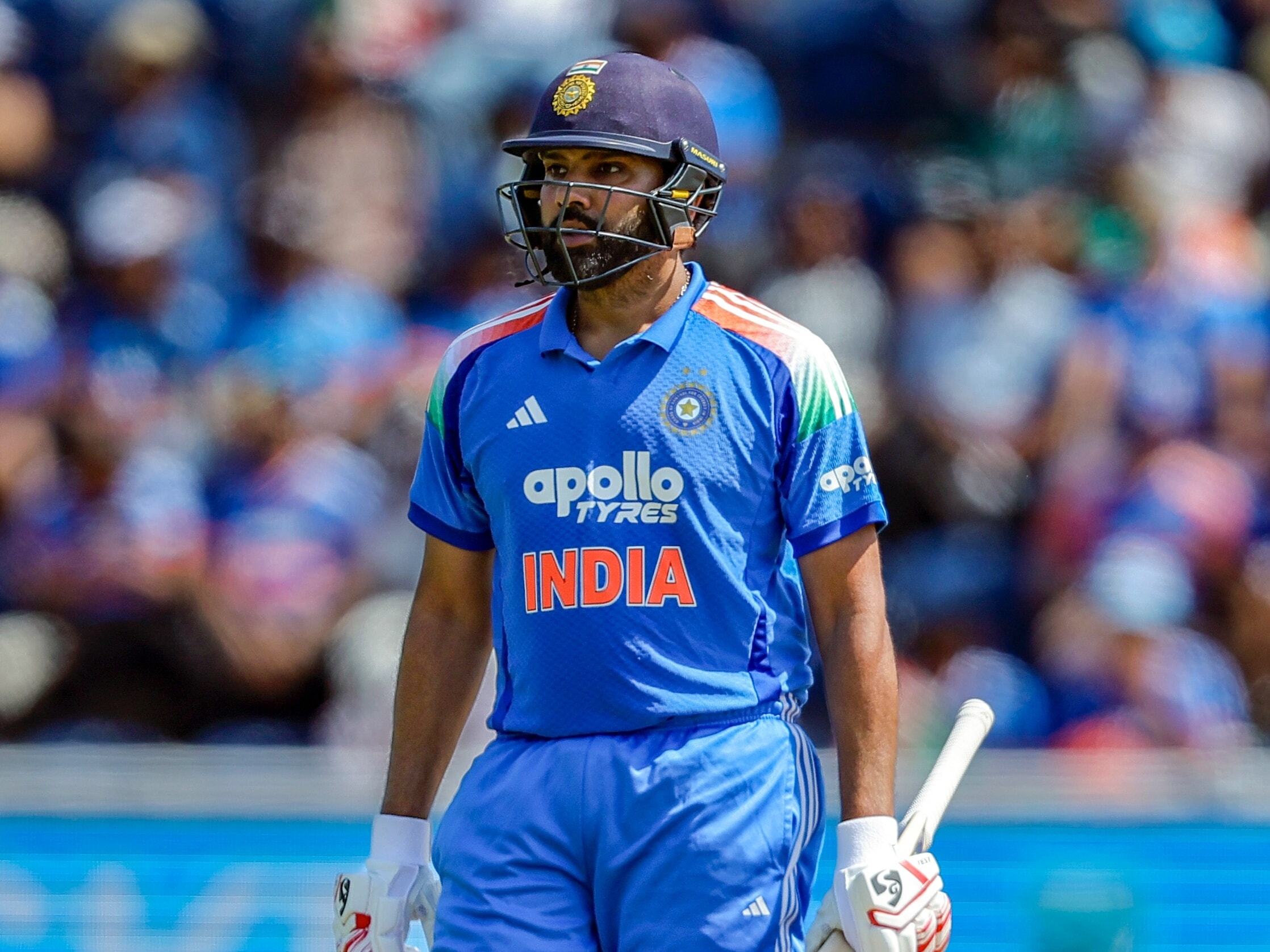
Century does not guarantee World Cup selection
Rohit’s Lord’s hundred may have silenced retirement speculation temporarily, but it has not guaranteed him a place in India’s squad for the 2027 World Cup.
The selectors are expected to assess the ODI team with the next World Cup in mind. With the tournament still ahead, the management has time to evaluate younger options and determine which combination provides the best balance.
Rohit’s experience remains a significant advantage. He has played in multiple World Cups and has extensive experience of handling pressure in major international tournaments. His leadership background and understanding of conditions could also make him valuable to a squad preparing for another global competition.
At the same time, selectors have to consider whether he can maintain the physical demands required over the next year and whether his presence fits into the team’s long-term plans.
BCCI meeting could provide greater clarity
The uncertainty surrounding Rohit’s future comes as senior officials prepare to review India’s ODI plans.
The future of Rohit, along with the positions of other senior players including Virat Kohli and Ravindra Jadeja, is expected to form part of the broader discussion around the team’s preparations for the 2027 World Cup.
However, Rohit’s situation has attracted particular attention because he has already been the subject of retirement speculation and because his future is closely linked to the selectors’ vision for the next World Cup cycle.
The discussions are also expected to involve India’s coaching and selection setup, making the meeting significant not only for individual players but also for the direction of Indian cricket.
Tensions reportedly emerged over Rohit’s future
The uncertainty has also reportedly exposed differences between sections of the Board of Control for Cricket in India and the selection committee.
BCCI secretary Devajit Saikia had earlier indicated that there was no immediate indication of Rohit leaving the ODI setup. That position reportedly did not sit comfortably with sections of the selection committee, which had been considering a different long-term approach.
Such differences have increased attention on chief selector Ajit Agarkar and the future composition of the selection panel.
Agarkar’s own position has reportedly come under discussion, with questions surrounding the possibility of his continuation through the 2027 World Cup. VVS Laxman, who is currently associated with the National Cricket Academy’s Centre of Excellence, has also emerged in speculation surrounding possible changes within the cricket administration.
A battle between experience and transition
Rohit’s situation reflects a broader challenge confronting Indian cricket: deciding when to prioritise proven experience and when to accelerate a transition towards younger players.
There is little doubt about Rohit’s achievements. He has been a prolific ODI batter, a former India captain and one of the country’s most successful players in major tournaments. His ability to produce match-defining innings remains an important factor in any discussion about his selection.
Yet selectors cannot build a World Cup squad solely around past achievements. The team must be constructed according to current form, fitness and future requirements.
That makes the next phase of Rohit’s ODI career particularly important. Every series and every innings could carry greater significance as the selectors assess whether he remains part of their preferred combination.
Rohit’s World Cup experience remains a major factor
One of the strongest arguments in Rohit’s favour is his experience on the biggest stage.
He has been part of several World Cup campaigns and has delivered some of his most memorable performances in the tournament. His ability to handle high-pressure situations, combined with his knowledge of international cricket, could provide India with an advantage if he remains physically capable of competing at the required level.
However, the selectors will ultimately have to balance that experience against the need to establish a team capable of competing throughout the 2027 tournament.
For Rohit, therefore, the challenge is no longer simply proving that he can score runs. He must demonstrate that he can remain consistently effective and fit enough to justify his inclusion in a squad being designed for the future.
No final decision yet
For now, Rohit’s international future remains unresolved.
The reported message from the selectors in July suggested that his ODI career could have ended at Lord’s. Instead, his century ensured that the discussion continued. His performance made it considerably harder to dismiss his case, but it did not eliminate the larger questions surrounding age, succession and the selectors’ long-term strategy.
The coming months could therefore be crucial. Rohit still has an opportunity to influence the decision through his performances, fitness and consistency.
The Lord’s century may have postponed the retirement conversation, but it has not closed it. As India builds towards the 2027 World Cup, the final decision on Rohit Sharma is likely to depend on whether the selectors believe his experience and current ability outweigh the advantages of moving decisively towards a younger ODI core.