
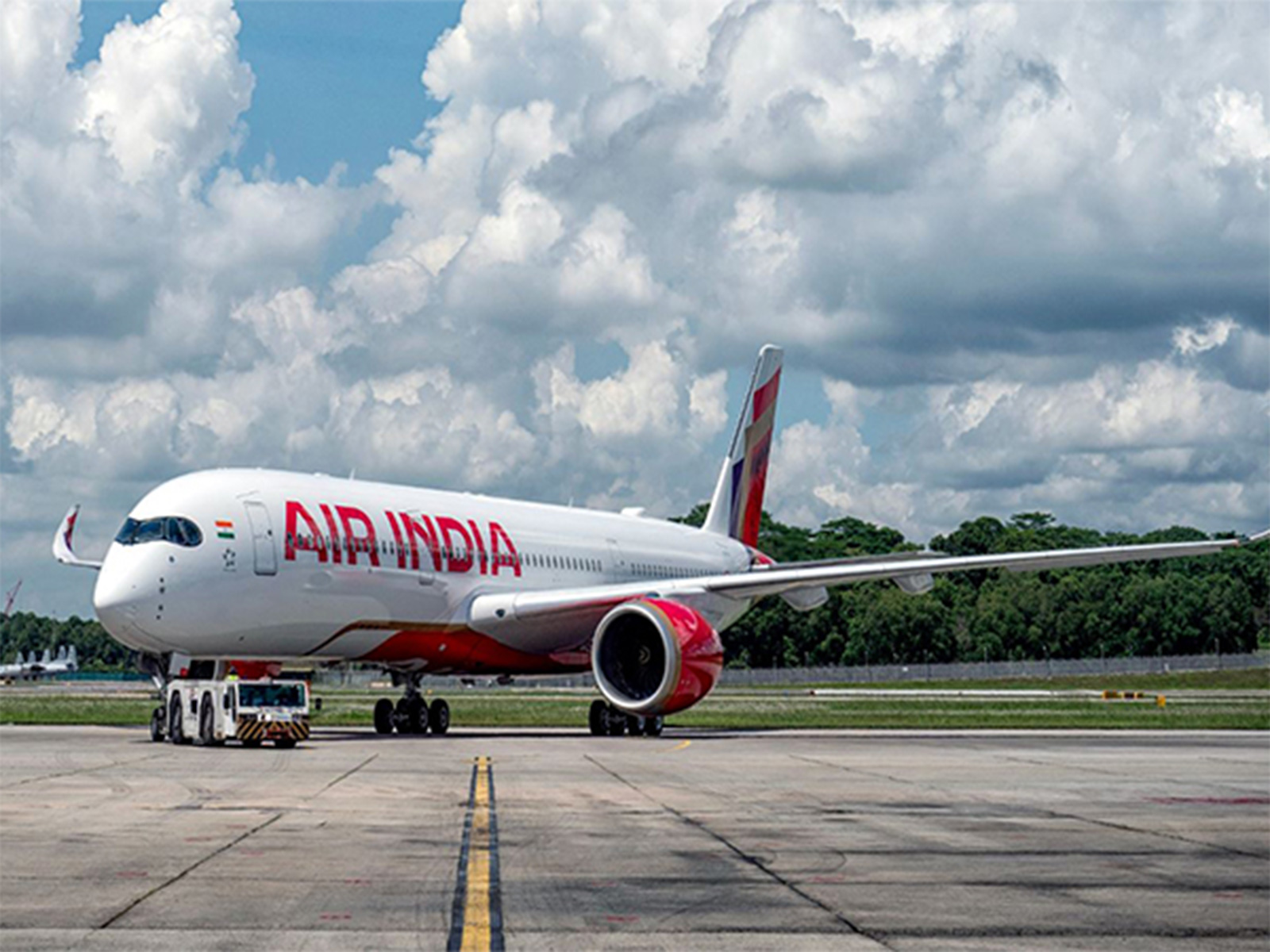
A preliminary report into the serious mid-air incident involving an Air India flight from Phuket to Delhi is expected to shed more light on the circumstances surrounding the aircraft’s sudden loss of altitude, as investigators examine technical factors, crew actions and the fitness of the pilots.
The incident occurred on August 4, when Air India flight AI2379, an Airbus A320 operating from Phuket to New Delhi, experienced a sudden loss of approximately 300 feet in altitude during the flight. The aircraft subsequently stabilised and landed safely in Delhi, but the episode left passengers and members of the cabin crew injured.
The incident has been classified as a serious occurrence and is being investigated by aviation authorities. Investigators are examining the sequence of events, aircraft systems, cockpit actions, weather conditions and other operational factors that could have contributed to the sudden altitude change.
Preliminary report expected as investigation progresses
Authorities are working to complete the preliminary assessment of the incident, which is expected to provide an initial reconstruction of what happened during the flight.
The report is likely to focus on the aircraft’s behaviour during the turbulence, the response of the flight crew and the condition of the aircraft’s systems at the time of the incident. Investigators are also examining available flight data and other evidence to establish the precise sequence of events.
The preliminary report, however, should not be interpreted as a final finding on the cause of the incident. Aviation investigations can take considerable time because investigators need to examine multiple sources of evidence before determining whether a particular factor contributed to an occurrence.
The investigation is therefore expected to distinguish between confirmed facts and issues that require further examination.
Pilot drug screening adds another dimension
One of the most closely watched aspects of the investigation is the post-flight psychoactive-substance screening of the pilots.
Both pilots underwent mandatory screening after the aircraft landed in Delhi, in accordance with established aviation procedures. The screening involving the pilot-in-command produced a result that required confirmatory laboratory testing, while the co-pilot’s initial screening did not raise the same concern.
The development attracted considerable attention because the drug-testing process took place immediately after an incident involving a sudden loss of altitude.
A subsequent confirmatory test reportedly detected marijuana in the pilot-in-command’s sample. However, the presence of a substance in a test result does not by itself establish that the pilot was impaired while operating the aircraft or that the substance played any role in the incident. Investigators must consider the laboratory findings alongside the wider evidence before establishing any connection.
The distinction is particularly important in aviation investigations, where conclusions regarding crew fitness must be based on verified evidence and established procedures.
Pilots removed from flying duties
The pilots involved in the flight were removed from flying duties while the investigation and testing procedures were underway.
The step was taken as a precaution while authorities assessed the incident and awaited relevant findings. Such measures are intended to ensure that crew members involved in a serious occurrence do not return to operational duties before regulators have completed the necessary assessments.
The final decision regarding any regulatory or disciplinary action will depend on the findings of the investigation and the outcome of the relevant testing procedures.
Technical issues also being examined
The pilot’s drug test is only one part of the broader investigation.
Investigators are also examining the aircraft itself and the circumstances that preceded the sudden altitude loss. Technical data, flight-control responses, hydraulic systems and other aircraft parameters are among the areas that have attracted scrutiny.
The investigation will need to determine whether the aircraft encountered severe turbulence alone or whether technical or operational factors contributed to the sudden movement.
This distinction is important because aircraft can experience rapid changes in altitude during significant turbulence, but investigators must establish whether the aircraft’s systems and crew responses functioned as expected during the event.
The flight-data record and other technical information are therefore expected to play a crucial role in reconstructing the incident.
Passengers and crew suffered injuries
The sudden altitude change resulted in injuries to people on board the aircraft.
Reports indicated that passengers and cabin crew members were injured during the incident. Some occupants were reportedly thrown from their seats or otherwise affected by the sudden movement of the aircraft.
Despite the seriousness of the episode, the aircraft was able to continue its journey and land safely in Delhi.
The fact that the aircraft completed the flight will allow investigators to analyse the incident using data collected during the flight, including information relating to altitude, speed, aircraft systems and crew inputs.
Aviation safety under renewed scrutiny
The Phuket-Delhi incident has generated wider discussion about aviation safety, particularly regarding pilot fitness and drug-testing procedures.
Following the incident, Air India expanded drug screening among its pilots. The move was intended to provide additional safeguards and reassure passengers and regulators that crew members operating commercial flights meet required fitness standards.
The wider testing programme has also produced additional cases in which preliminary results reportedly required further examination. Such results are not automatically proof of prohibited substance use because confirmatory laboratory testing may be necessary to determine the cause of an initial non-negative result.
The developments have intensified discussion about the effectiveness, frequency and scope of psychoactive-substance testing among flight crews.
Importance of the final investigation
The forthcoming preliminary report is expected to provide important information about the sequence of events surrounding the Phuket-Delhi flight.
Among the key questions are what caused the aircraft to lose altitude so suddenly, how the flight crew responded, whether any aircraft-system issue was involved and whether the turbulence itself was sufficient to explain the incident.
Investigators will also have to assess the pilot drug-test findings separately and determine whether there is any evidence connecting the result with the aircraft incident.
Aviation safety experts generally caution against drawing conclusions from individual pieces of evidence before an investigation is complete. A serious aviation occurrence can involve several contributing factors, and investigators must establish the relationship between them before reaching a final assessment.
The preliminary report will therefore be an important step, but it may not answer every question surrounding the incident. Further technical analysis, laboratory findings and examination of operational records could be required before authorities reach definitive conclusions.
The Phuket-Delhi episode has consequently become a significant aviation safety case, with attention focused not only on the sudden turbulence and altitude loss but also on pilot fitness, aircraft systems and the safeguards used to prevent similar incidents.