

Two workers were killed and nine others injured after a reactor exploded at a pharmaceutical manufacturing facility in Telangana’s Yadadri Bhuvanagiri district on Friday night, August 21. The blast occurred at a pharma unit in the Dothigudem area of Pochampally mandal, around 50 kilometres from Hyderabad.
The explosion triggered a fire inside the industrial facility and prompted an immediate emergency response. Firefighters and other emergency personnel were sent to the site after the incident was reported.
According to preliminary information, the explosion took place at around 10.30 p.m., when workers were reportedly changing shifts. The sudden blast caused panic within the facility and resulted in multiple casualties.
Two workers died from injuries sustained in the incident, while nine others were injured and taken for medical treatment. Some of the injured workers reportedly suffered serious burn injuries and required intensive medical attention.
Blast Followed by Fire at Pharmaceutical Facility
The accident took place at Hazelo Lab Private Limited, a pharmaceutical manufacturing facility located near Dothigudem. The unit is involved in the production of active pharmaceutical ingredients and bulk drug intermediates.
A reactor explosion inside the facility was followed by a fire. Emergency teams rushed to the plant to contain the flames and assist workers trapped or affected by the accident.
The precise circumstances that led to the reactor explosion have not yet been established. Authorities are examining the facility and collecting information to determine what happened in the moments leading up to the blast.
Investigators are expected to examine the reactor, production equipment and safety systems as part of the inquiry. They will also look at operating procedures followed at the facility and whether required safety measures were being implemented at the time of the accident.
Injured Workers Receive Medical Treatment
The injured workers were evacuated from the facility and taken to hospitals for treatment. The severity of their injuries varied, with some reportedly suffering extensive burns.
The incident has once again highlighted the dangers associated with pharmaceutical and chemical manufacturing, where workers may be exposed to high temperatures, pressurised equipment, chemical reactions and hazardous industrial processes.
Such facilities require strict safety protocols because a malfunction involving a reactor or related equipment can rapidly escalate into a major industrial emergency.
Regular equipment inspections, preventive maintenance, employee training and effective emergency-response systems are considered essential to reducing the risks associated with industrial operations.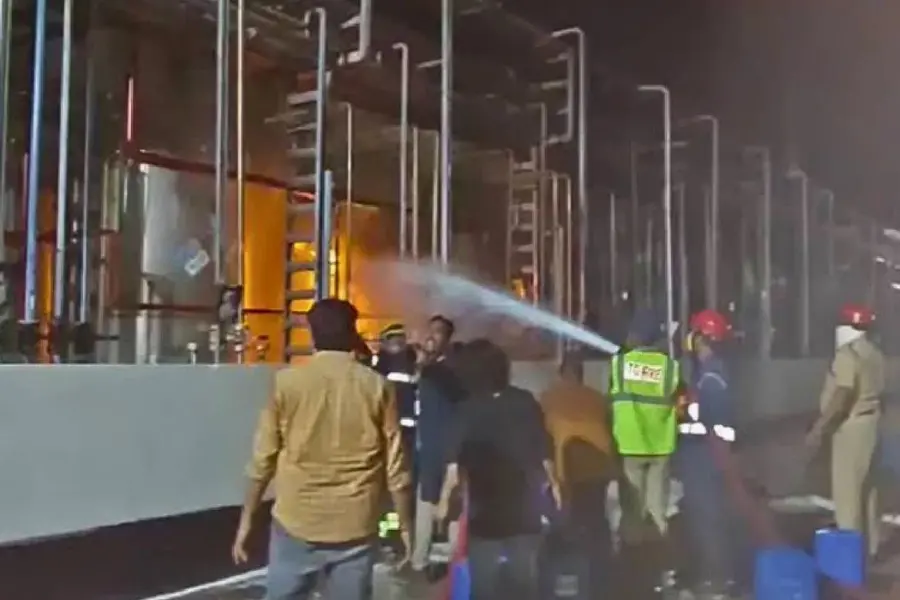
Police Launch Investigation
Police have begun an investigation into the explosion and are working to establish its exact cause. Officials are examining the site and gathering information from employees and other people who may have witnessed the incident.
The investigation is expected to consider several possibilities, including equipment failure, excessive pressure, an unexpected chemical reaction or an operational error. Authorities will also examine whether any safety procedures were violated.
Technical assessments of the damaged reactor and other equipment could play an important role in determining the cause of the explosion. Production records and information about the materials being processed at the time may also help investigators reconstruct the sequence of events.
Officials are yet to establish whether negligence or a breach of safety regulations contributed to the accident. Any such determination will depend on the findings of the investigation.
Focus on Industrial Safety
The accident has renewed attention on workplace safety in Telangana’s pharmaceutical and chemical manufacturing sector. The State is home to a large number of pharmaceutical facilities, many of which use sophisticated equipment and chemical processes.
Industrial accidents involving explosions and fires can pose serious risks not only to employees but also to people living or working in surrounding areas. Ensuring adequate safety systems and emergency preparedness is therefore critical for facilities handling potentially hazardous materials.
Factories operating complex chemical processes are required to maintain appropriate safety standards, conduct regular inspections and ensure that workers are adequately trained to respond to emergencies.
The latest incident also underlines the importance of preventive measures. Identifying equipment problems early, maintaining critical machinery and monitoring industrial processes can help reduce the likelihood of catastrophic failures.
Cause of Explosion Remains Under Probe
Although officials have identified the incident as a reactor blast, the precise technical reason for the explosion remains unknown.
Investigators will need to determine what occurred inside the reactor before the blast and whether the incident was linked to a mechanical failure, pressure build-up, chemical reaction, human error or another factor.
The condition of the reactor, safety mechanisms and surrounding equipment will likely be examined as part of the technical investigation. Statements from workers present at the facility could also provide important information about the events immediately before the explosion.
The authorities are continuing their investigation into the accident. Further details are expected as officials establish the exact cause of the blast, assess the damage to the facility and determine whether any safety violations contributed to the deaths and injuries.
The deaths of two workers and injuries to nine others have once again underscored the need for rigorous safety practices at industrial facilities, particularly those involved in pharmaceutical and chemical manufacturing.