
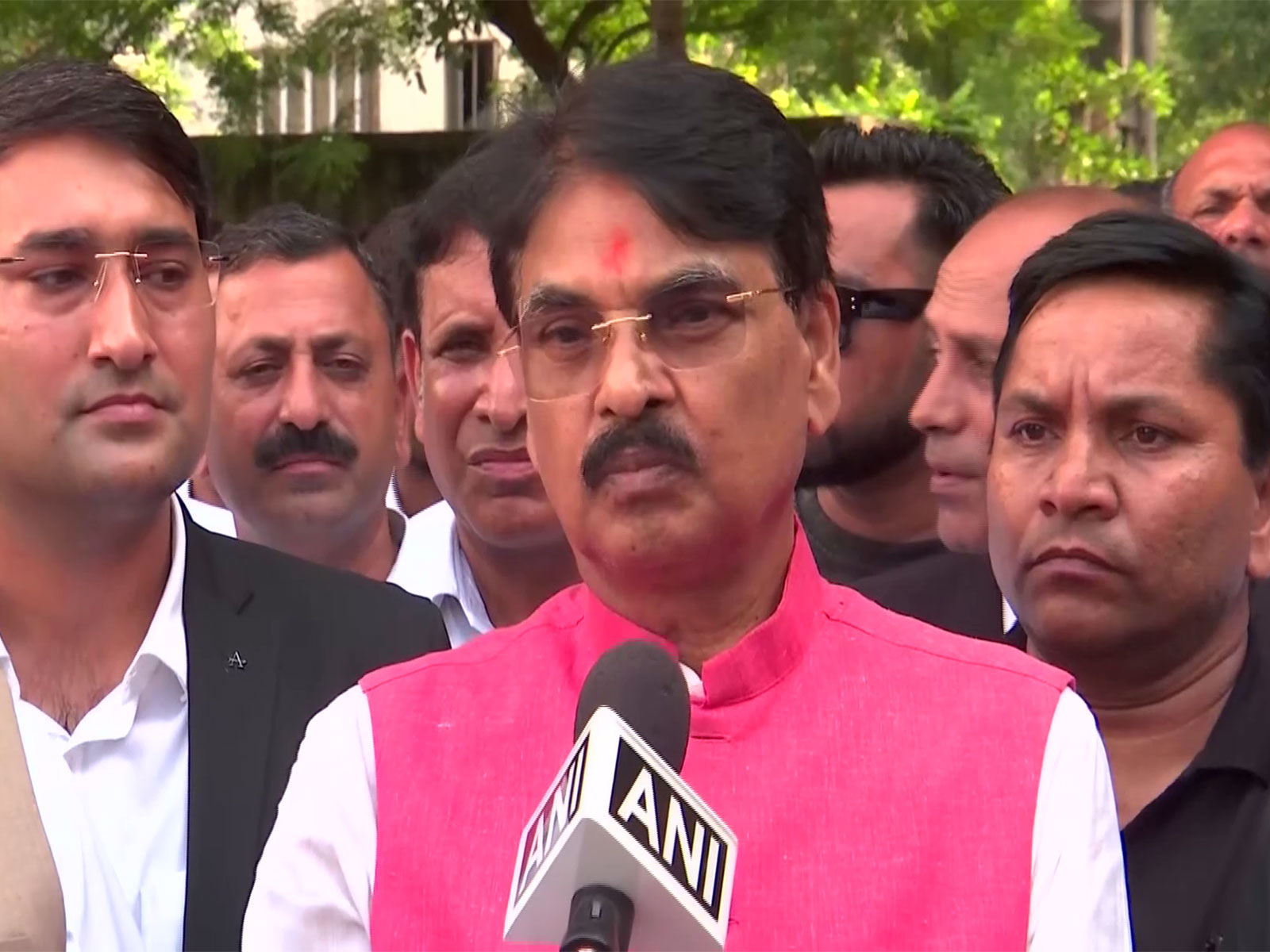
A fresh leadership dispute has emerged within the Bar Council of India (BCI), with its Co-Chairman and senior advocate Y.R. Sadashiva Reddy calling for the resignation of BCI Chairman Manan Kumar Mishra. Reddy has raised serious concerns over the functioning of the council and cited the recent controversy involving students of the National Academy of Legal Studies and Research (NALSAR) as one of the key reasons for his demand.
In a six-page communication addressed to Mishra, Reddy questioned several decisions and practices associated with the BCI administration. He argued that the legal profession requires stronger institutional accountability and said that the interests and reputation of the Bar should take precedence over individual officeholders.
The resignation demand comes at a time when Mishra is already facing criticism over the BCI’s handling of the NALSAR controversy. The episode began after a section of NALSAR students objected to the proposed participation of Chief Justice of India Surya Kant as chief guest at the university’s convocation. The dispute subsequently escalated after the BCI issued a communication directing State Bar Councils not to enrol the university’s graduating batch for 2026.
The directive triggered widespread criticism from lawyers and legal organisations. The BCI subsequently withdrew the communication, while Mishra also expressed regret and apologised to law students following the backlash.
NALSAR controversy becomes major flashpoint
The action against the NALSAR graduating batch has become one of the most contentious issues surrounding the BCI leadership in recent weeks. Critics argued that students should not face professional consequences merely because they expressed disagreement over an institutional decision.
The BCI’s initial communication effectively threatened to affect the enrolment of students who were approaching the beginning of their legal careers. The decision was subsequently withdrawn, bringing the immediate threat to an end, but the controversy continued to generate questions about the extent of the council’s regulatory powers and the manner in which those powers were exercised.
Reddy has specifically referred to the NALSAR episode while questioning Mishra’s leadership. His criticism adds significance to the issue because it comes from within the BCI itself rather than solely from external lawyers’ groups or student organisations.
Several lawyers’ groups have previously demanded Mishra’s resignation over the controversy, arguing that the decision demonstrated poor judgment and an excessive use of regulatory authority. The latest intervention by Reddy could therefore intensify the internal debate over the BCI chairman’s leadership.
Allegations concerning council funds
Apart from the NALSAR controversy, Reddy’s letter reportedly raises questions concerning the handling of approximately ₹150 crore in BCI funds. The allegations relate to the transfer of council funds to a newly established trust associated with the BCI leadership.
Reddy has questioned the circumstances surrounding the creation and functioning of the trust and sought greater transparency over the arrangement. He has also raised concerns about whether members of the council were adequately informed about the trust’s governing documents and financial structure.
The allegations are serious and, if established, could have significant implications for the administration of one of India’s principal statutory bodies regulating the legal profession. They also underscore the importance of transparent financial procedures in organisations entrusted with regulatory responsibilities.
Reddy has further alleged that law colleges seeking approval or renewal from the BCI were being asked to make financial contributions to the trust. Such allegations, if substantiated, would raise questions about the separation between the BCI’s regulatory functions and fundraising activities.
The claims remain allegations raised by Reddy and would require appropriate verification and responses from the concerned authorities.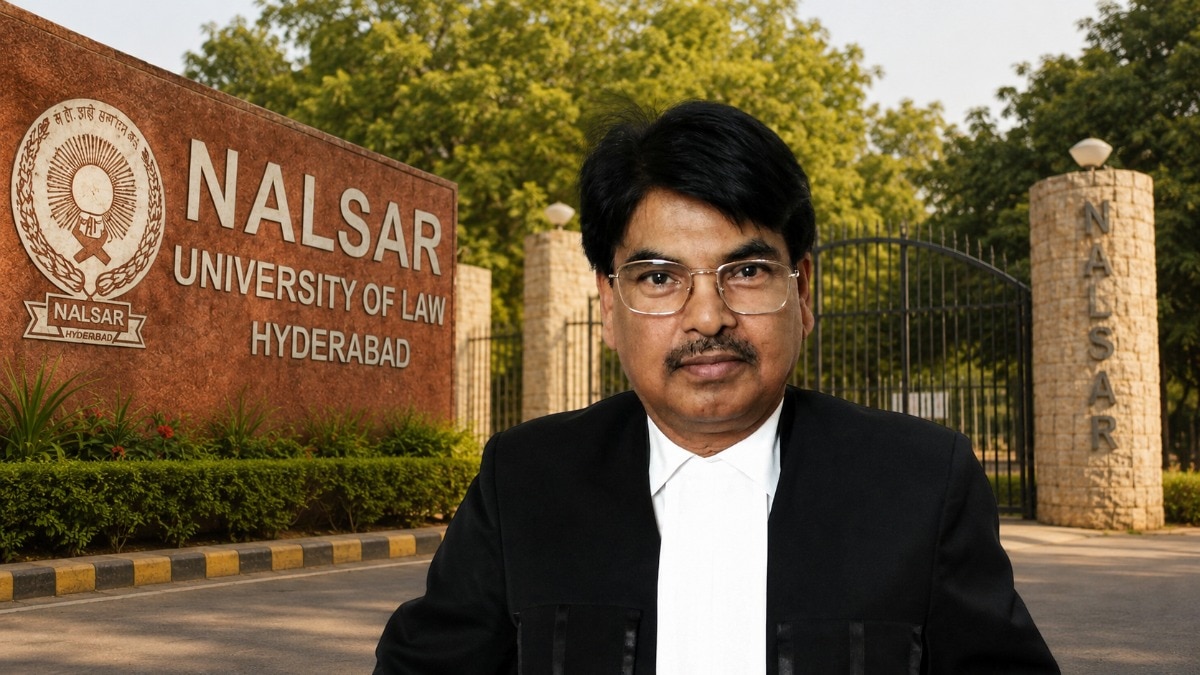
Questions over appointments and administration
The BCI’s internal administration is another area highlighted in the resignation demand. Reddy has questioned the appointment of individuals allegedly connected to Mishra, including members of his family, to positions within the council.
According to the concerns outlined in his letter, the appointments were allegedly not supported by a transparent recruitment process involving publicly advertised vacancies, selection committees or documented merit lists.
The issue of appointments has broader implications for institutional credibility. Regulatory organisations are expected to maintain clear procedures for recruitment and administration so that decisions are seen to be based on qualifications and established rules rather than personal associations.
Reddy’s criticism suggests that the disagreement within the BCI extends beyond the NALSAR incident and involves broader questions about the council’s governance and decision-making processes.
Growing pressure on Manan Mishra
The latest demand follows mounting criticism of Mishra from sections of the legal community. Lawyers have staged protests and called for his resignation in the aftermath of the NALSAR controversy, despite the withdrawal of the disputed directive and the chairman’s subsequent apology.
The protests have reflected concerns about what critics describe as weak institutional leadership and the need for greater accountability within the BCI. Some legal groups have also argued that the controversy warrants internal action if the chairman does not voluntarily step down.
Mishra, however, has defended his position and rejected criticism from some of his opponents. He has maintained that the BCI’s objective is to safeguard the interests of the legal profession and students, while also responding to concerns over the conduct surrounding the NALSAR episode.
The dispute has consequently developed into a wider debate over the balance between regulatory authority, institutional autonomy, student expression and professional accountability.
Broader implications for legal education
The controversy has also drawn attention to the relationship between India’s legal education institutions and the regulatory framework governing entry into the legal profession.
Graduates of recognised law universities depend on the enrolment process administered through State Bar Councils before beginning professional practice. Any decision affecting the enrolment of an entire graduating class can therefore have serious consequences for students’ careers.
The NALSAR episode has raised questions about whether disciplinary or regulatory measures should be used in response to student protests or disagreements over university events. Critics have emphasised that students in law schools should be able to express their views on institutional and public issues without fearing consequences for their professional future.
The episode has also brought renewed focus on the importance of due process when regulatory authorities take action affecting students or institutions.
Leadership dispute reaches a critical stage
Reddy’s call for Mishra’s resignation marks a significant development because it places the BCI’s own senior leadership at the centre of the controversy.
The demand now raises the question of how the council will respond to allegations concerning governance, financial administration, appointments and the handling of the NALSAR matter. Any internal response is likely to be closely watched by lawyers, legal educators and students across the country.
For the BCI, the controversy comes at a sensitive time. As the principal statutory body responsible for regulating the legal profession and overseeing standards of legal education and professional conduct, its decisions carry considerable institutional weight.
The dispute over Mishra’s leadership therefore extends beyond an individual resignation demand. It has become a debate about transparency, accountability, regulatory power and the standards expected from India’s legal profession.
Whether the allegations raised by Reddy lead to an internal examination, a broader confrontation within the council or further demands for Mishra’s removal remains to be seen. For now, the resignation call has added a new dimension to the continuing controversy surrounding the BCI chairman and intensified scrutiny of the council’s leadership.