
West Bengal has decided to bring the state’s girl students under the Centre’s Beti Bachao Beti Padhao programme, marking a significant policy shift in the state’s approach to girls’ education, empowerment and welfare.
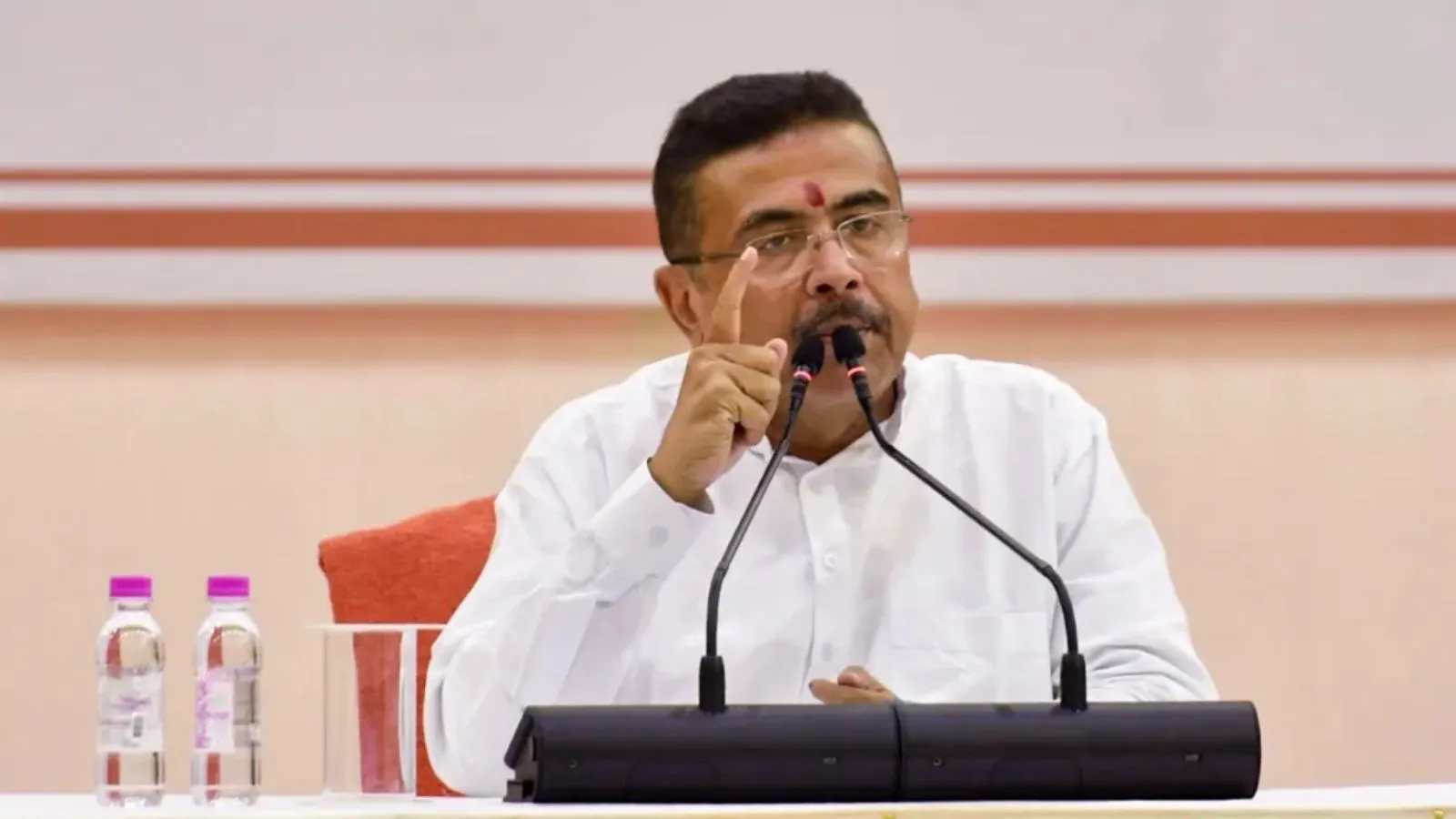
Chief Minister Suvendu Adhikari announced the decision while addressing an event in Kolkata organised to observe Kanya Ratna Divas, the newly designated occasion that replaces the earlier Kanyashree Day. The announcement comes alongside a series of measures aimed at improving educational access, reducing school dropouts and strengthening financial assistance for girls and women across the state.
Under the revised arrangement, the annual scholarship available to eligible schoolgirls will be increased from Rs 1,000 to Rs 2,000 from the next academic session. The government has also retained the existing one-time financial assistance of Rs 25,000 for unmarried women upon turning 18.
The announcement represents an important change in the state’s implementation of programmes for girls. Adhikari said West Bengal would now formally associate its girl students with the national initiative, which was launched by the Union government in 2015 with the broader objective of improving the status, safety and educational opportunities of the girl child.
Focus on education, empowerment and retention
Addressing more than 1,600 female students from schools and colleges across different districts, Adhikari highlighted education and women’s empowerment as key priorities of his government.
He said the administration was working towards expanding opportunities for women, increasing the number of educational institutions available to them and providing economic support so that young women are not forced to discontinue their education.
The government’s stated approach goes beyond direct scholarships. It includes measures intended to improve access to education, strengthen women’s economic security and encourage greater participation of women in employment.
The Chief Minister also called upon young women to play a larger role in society and nation-building, linking girls’ education and empowerment with broader social development.
Scholarship support to be doubled
One of the most immediate changes announced by the state is the doubling of the annual financial assistance provided to eligible schoolgirls.
The scholarship will rise from Rs 1,000 to Rs 2,000 beginning with the next academic session. The decision is expected to provide additional financial support to families and students, particularly those who may face economic difficulties in continuing education.
The government has also announced that the existing Rs 25,000 one-time assistance for unmarried women reaching the age of 18 will continue.
According to figures shared at the event, around 9.48 lakh of 10.77 lakh eligible schoolgirls received Rs 1,000 each in their bank accounts on Friday. In addition, nearly 1.29 lakh girls received Rs 25,000 each under the separate financial assistance provision.
The combined disbursement amounted to approximately Rs 418 crore, reflecting the scale of the state’s financial support programmes for girls and young women.
Kanyaratna scheme receives Rs 400 crore allocation
Alongside the adoption of the national programme, the state government is continuing and expanding its own welfare measures for girls.
The administration has allocated Rs 400 crore for the Kanyaratna scheme, under which around 20.13 lakh girls are expected to be covered. The government has also said that every girl pursuing higher education will receive financial assistance of up to Rs 50,000, forming part of its wider effort to encourage girls to continue their studies beyond school.
The initiatives are designed to address one of the major challenges faced by students from economically vulnerable households: the risk of discontinuing education because of financial constraints.
By combining recurring scholarships with larger one-time financial assistance and higher-education support, the state government is seeking to create a more continuous system of financial assistance for girls at different stages of their educational journey.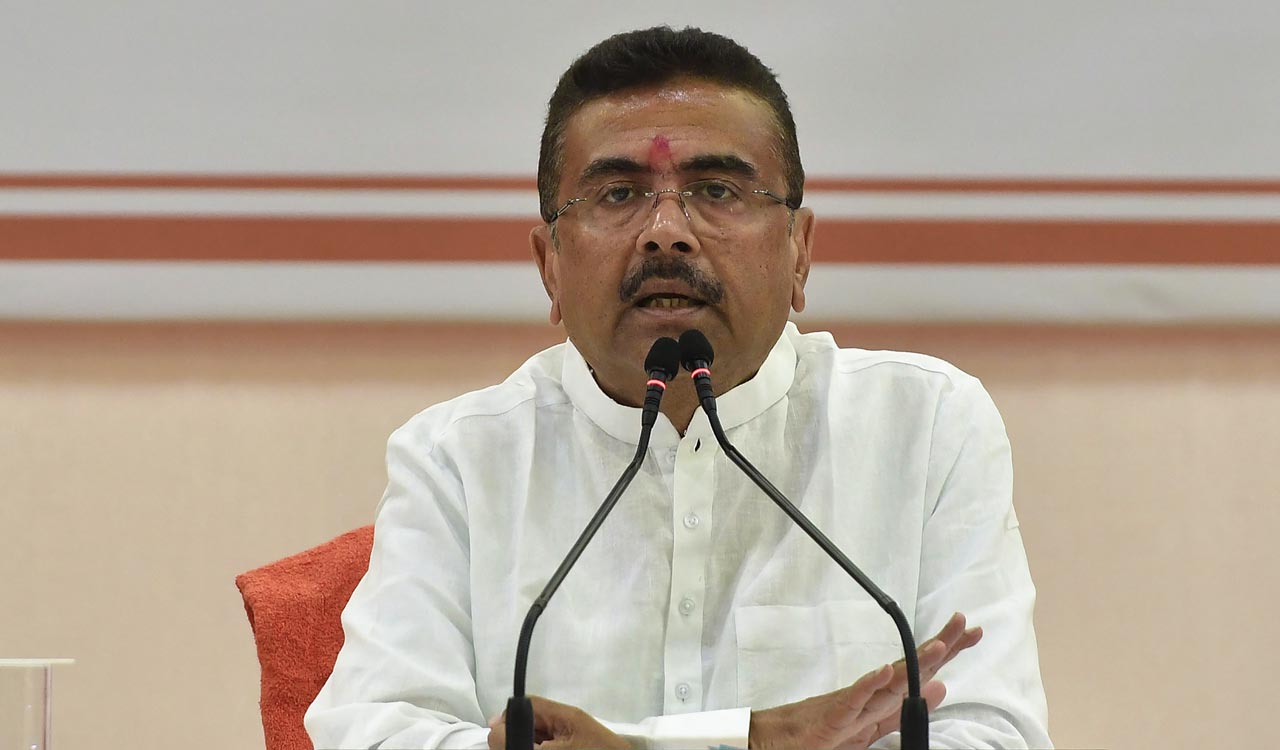
Political and policy significance
The decision to implement Beti Bachao Beti Padhao in West Bengal also carries political significance.
Adhikari said the programme had not been implemented in the state under the previous Trinamool Congress government. The earlier administration had instead promoted its own Kanyashree programme as a major initiative for girls’ education and empowerment.
The BJP-led government has now rebranded the annual observance and introduced the central scheme while continuing several state-level financial assistance measures.
Beti Bachao Beti Padhao was launched nationally in 2015 with the objective of addressing concerns surrounding the declining child sex ratio and improving conditions for girls. Over the years, the programme has also focused on education, preventing school dropouts, creating awareness and promoting the welfare and empowerment of girls.
The decision to bring West Bengal under the programme therefore places the state’s existing girl-focused initiatives alongside a broader national framework.
New women-focused helpline launched
The state government has also introduced a new 181 helpline to provide information about government schemes relating to women and connect them with legal and emergency services.
The helpline is intended to provide a single point of access for women seeking information or assistance related to government welfare programmes and support mechanisms.
Officials and the government are expected to use such initiatives to improve awareness and accessibility, particularly among women and girls who may not have direct knowledge of the various schemes available to them.
PALNA initiative to support working women
Another measure announced by the government is the launch of PALNA, a crèche initiative intended to provide safe childcare facilities for children of working women.
The programme is designed to provide day-care services along with nutrition and early cognitive development support. The facilities are primarily linked to Anganwadi-cum-creches.
The initiative is aimed not only at supporting young children but also at helping mothers remain in or enter the workforce without being forced to leave employment because of childcare responsibilities.
Increasing women’s participation in the workforce has emerged as an important component of the government’s broader women-focused policy approach. Access to reliable childcare can play a significant role in enabling women to balance employment and family responsibilities.
Government links girls’ welfare with wider empowerment agenda
The collection of announcements made on Kanya Ratna Divas indicates an attempt by the West Bengal government to build a wider policy framework around girls’ education, financial independence and women’s participation in society.
The doubling of scholarships provides direct financial assistance to schoolgirls, while higher-education support is intended to encourage students to continue beyond school. The continuation of the Rs 25,000 assistance at adulthood and the introduction of childcare facilities seek to extend support into later stages of women’s lives.
The government has also emphasised the expansion of women’s colleges and schools and measures aimed at increasing women’s employment opportunities.
Taken together, the measures reflect a policy approach in which financial assistance, education, safety, childcare and employment are treated as interconnected aspects of women’s empowerment.
Partition remembrance event
Separately, Adhikari addressed an event marking Partition Horrors Remembrance Day, where he spoke about the violence and displacement associated with the Partition of the Indian subcontinent.
He urged people to remember the historical experiences of those affected by the violence and referred to episodes including the Great Calcutta Killing and the Noakhali violence.
The Chief Minister also spoke about the resistance movements that emerged in and around Calcutta during the turbulent period and called for continued awareness of the historical experiences associated with Partition.
The two events — one focused on women’s empowerment and the other on historical remembrance — formed part of the Chief Minister’s public engagements in West Bengal around August 14.
For the state’s girls, however, the implementation of Beti Bachao Beti Padhao and the increase in annual scholarship support represent the most significant policy announcements, particularly as the government seeks to combine national and state-level initiatives to promote education and empowerment.