
India has strongly condemned the defacement of its embassy premises in Ljubljana, Slovenia, and called for those responsible to be identified and held accountable. The incident has prompted New Delhi to raise the matter directly with Slovenian authorities, stressing that diplomatic missions are protected under international law.
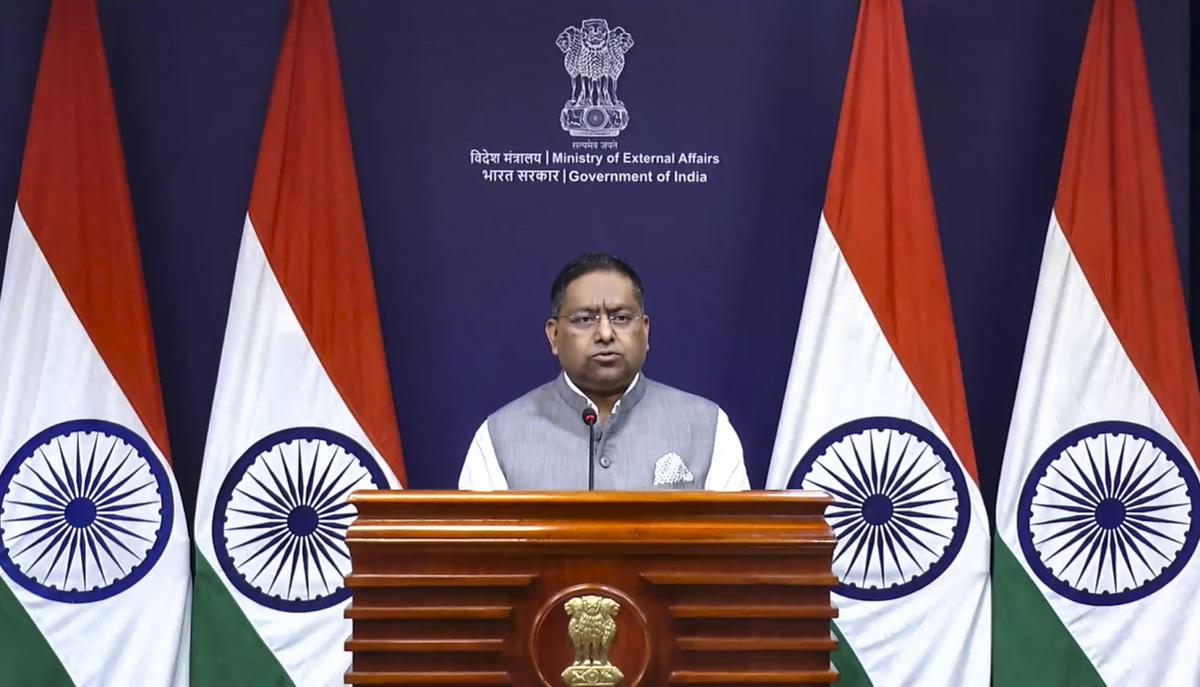
The Ministry of External Affairs (MEA) said the Indian Embassy premises in the Slovenian capital were targeted by what it described as anti-India elements. The ministry termed the incident reprehensible and made clear that India expects appropriate action from the host country.
India Raises Issue With Slovenian Authorities
According to the MEA, the matter has been taken up with Slovenian authorities through channels in both New Delhi and Ljubljana. India has sought an investigation into the incident and accountability for those responsible for defacing the diplomatic premises.
The Indian government has emphasised that the protection of diplomatic missions is not merely a matter of bilateral courtesy but an obligation under international law. The MEA pointed to the Vienna Convention on Diplomatic Relations, under which diplomatic premises are considered inviolable and are required to be protected by the host state.
The invocation of the Vienna Convention underlines the seriousness with which New Delhi views the incident. Diplomatic missions serve as official representations of their countries and are expected to remain protected from unauthorised interference, vandalism and other forms of disruption.
Concerns Over Anti-India Propaganda
While the MEA did not publicly identify the individuals responsible for the defacement, people familiar with the matter indicated that elements associated with pro-Khalistan groups were suspected of involvement.
The ministry also broadened its message beyond Slovenia, urging law-enforcement authorities in other countries to take note of what it described as hateful propaganda and disinformation being circulated by such groups.
The government’s statement reflects its continuing concern over activities targeting Indian diplomatic establishments and representatives abroad. New Delhi has repeatedly raised security concerns following incidents involving protests, vandalism and other forms of disruption linked to anti-India campaigns in some Western countries.
Diplomatic Security at the Centre of the Dispute
The incident has also brought renewed attention to the responsibilities of host countries in safeguarding foreign diplomatic missions.
Under established diplomatic norms, embassies and other diplomatic premises enjoy special protection. The principle is designed to ensure that diplomatic representatives can carry out official responsibilities without intimidation or interference.
For India, the Ljubljana incident therefore carries significance beyond damage or defacement to a building. New Delhi’s demand for accountability reflects its expectation that Slovenian authorities will investigate the incident, determine who was responsible and take appropriate legal action.
The Indian government’s decision to raise the matter both in Slovenia and in New Delhi indicates that it is treating the incident as a diplomatic and security concern. 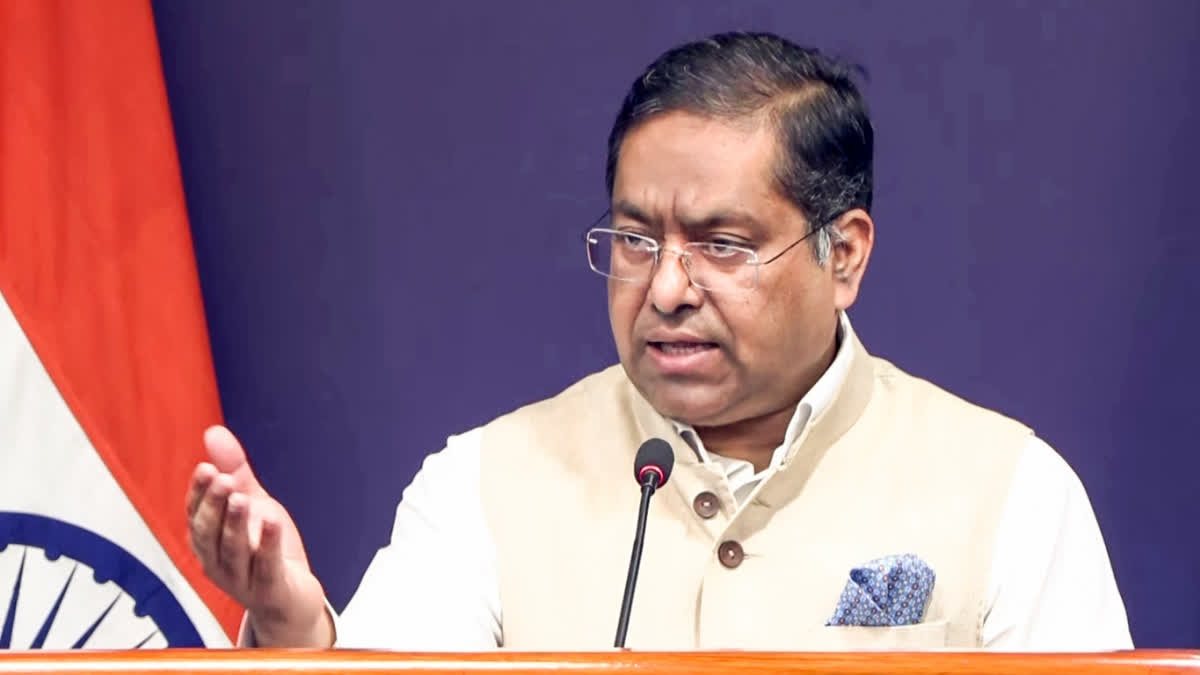
Incident Comes Amid Wider Concerns
The development comes against a wider backdrop of tensions surrounding demonstrations and activities associated with pro-Khalistan groups in several Western countries.
Indian diplomatic missions have previously faced protests and incidents of vandalism in different locations. New Delhi has consistently maintained that legitimate political expression should not cross into intimidation, violence, vandalism or actions directed against diplomatic establishments.
The government has also raised concerns about what it regards as misinformation and hostile propaganda targeting India and its institutions.
The Ljubljana incident has consequently added another point of concern for Indian authorities as they continue to engage with foreign governments on the protection of diplomatic personnel and premises.
India-Slovenia Relations
The incident comes at a time when India and Slovenia have been working to strengthen their bilateral relationship. The two countries have maintained diplomatic ties for decades and have engaged on political, economic and other areas of mutual interest.
Recent diplomatic engagements have focused on expanding cooperation and developing the relationship into a broader partnership. Against this background, the defacement of India’s diplomatic premises represents an unwelcome development.
India’s response, however, has been directed specifically at ensuring the security of its mission and holding those responsible accountable rather than allowing the incident to disrupt broader bilateral engagement.
Indian officials have continued to underline the importance of cooperation with partner countries on issues including counter-terrorism and security.
What Happens Next
The immediate focus is expected to remain on the investigation into the defacement and the identification of those responsible. India has made clear that it expects Slovenian authorities to take appropriate action in accordance with their legal obligations.
The incident may also prompt further discussions between the two governments regarding security arrangements around India’s diplomatic mission in Ljubljana.
For New Delhi, the central issue remains the protection of diplomatic premises and personnel. The government has also used the incident to highlight its broader concern over anti-India propaganda and activities directed against Indian institutions overseas.
As the investigation progresses, the response from Slovenian authorities and any action against those responsible will be closely watched by Indian officials.
The episode has once again highlighted the importance of diplomatic security and the responsibility of host countries to protect foreign missions. India’s demand for accountability underscores its position that diplomatic premises must remain secure and that acts of vandalism or intimidation cannot be treated lightly.