
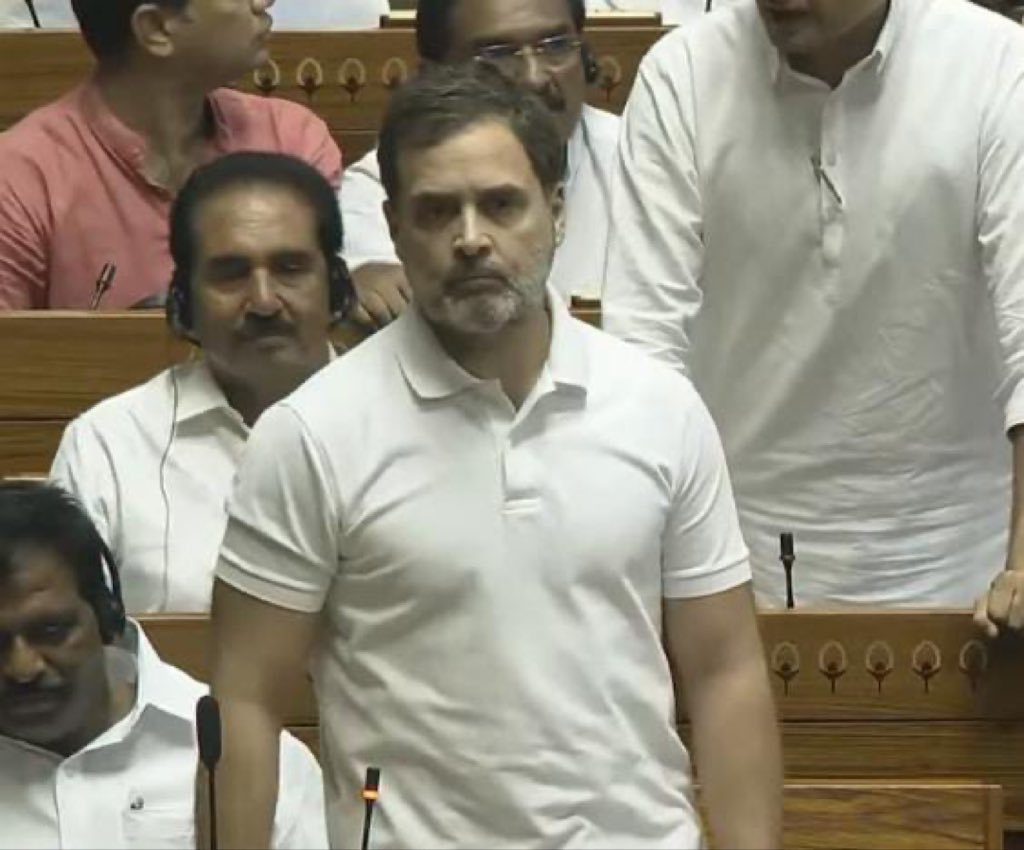
Congress leader and Leader of Opposition in the Lok Sabha Rahul Gandhi took a lighter and more informal approach to political outreach when he interacted with young people through an Instagram “Ask Me Anything” (AMA) session.
The interaction, aimed particularly at students and members of Gen Z, featured questions ranging from politics and education to more playful and unexpected queries. One of the questions that attracted attention asked Gandhi directly: “Are you Batman?”
Rather than giving a conventional political response, Gandhi responded with humour, joking that there was no proof that he and the fictional superhero had ever been seen together in the same room. He accompanied the response with a video featuring a visual comparison between himself and Batman, adding a playful touch to the exchange.
The response quickly stood out from the more serious political questions submitted during the session and reflected Gandhi’s increasingly informal style of communicating with younger audiences on social media.
Rahul Gandhi invites students and Gen Z to ask questions
Gandhi began the interactive session by inviting students and Gen Z users to send him questions, promising to answer as many as possible through his Instagram stories.
The AMA format allows public figures to directly interact with followers by collecting questions through social media and selecting individual queries to answer. For political leaders, such interactions provide an opportunity to communicate with younger audiences outside traditional rallies, press conferences and parliamentary debates.
The outreach comes at a time when political parties and leaders are increasingly using social media platforms to connect with young voters. Student issues, education, employment and political participation have emerged as important areas of discussion among younger Indians.
Gandhi’s interaction combined serious political commentary with personal and humorous questions, giving the session a distinctly conversational character.
‘Are you Batman?’ gets a cheeky response
Among the questions posed to Gandhi was the unexpected query about whether he was Batman, the fictional masked superhero and alter ego of billionaire Bruce Wayne.
Gandhi chose not to dismiss the question. Instead, he responded playfully, suggesting that the absence of evidence showing him and Batman in the same room could leave the question open to interpretation.
He also used a Batman-related video alongside his response, turning the exchange into one of the more humorous moments of the AMA.
The answer contrasted sharply with the political and policy-related questions that followed, demonstrating the informal tone Gandhi adopted during the interaction. 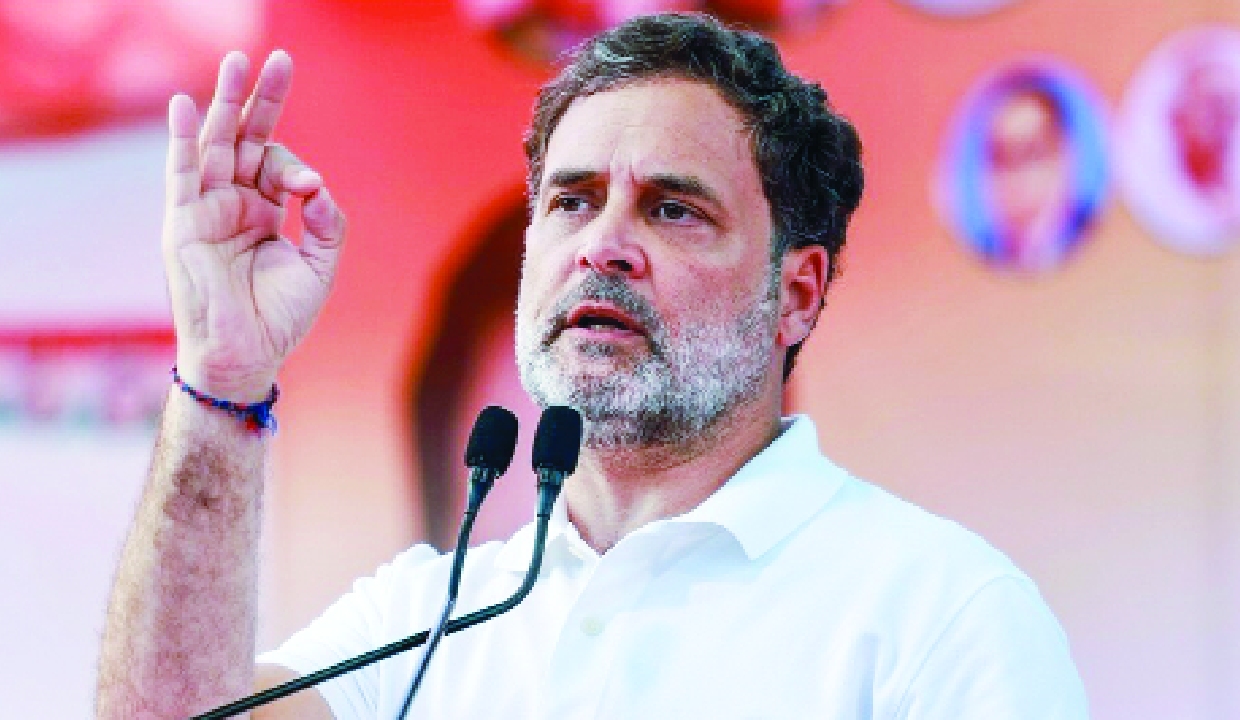
Gandhi names Amarinder Singh as his favourite BJP politician
The Congress leader was also asked to identify his favourite politician from the Bharatiya Janata Party.
Gandhi named former Punjab chief minister Captain Amarinder Singh, who had a long political association with the Congress before joining the BJP in 2021.
Explaining his choice, Gandhi said he got along well with Singh and described him as someone he considered “cool.” He also highlighted Singh’s knowledge of military history and expressed his appreciation for that particular interest.
Gandhi’s answer was notable because Singh had been a senior Congress leader and had served as Punjab chief minister before leaving the party. His subsequent move to the BJP made Gandhi’s choice an unusual one in the context of a question specifically asking about a favourite BJP politician.
Education system becomes a major theme
While the Batman question generated the lighter moment, education emerged as one of the most serious themes of the interaction.
Gandhi was asked whether India’s education system was producing enough thinkers. His response was sharply critical, arguing that the system was instead moving in the opposite direction.
He alleged that the education system was undermining independent thinking among young Indians and criticised what he described as increasing political influence over education.
Gandhi has repeatedly made education, employment and opportunities for young people important elements of his political messaging. During the AMA, he connected the issue of education with the broader question of whether students are being encouraged to think independently.
He also criticised the role of the Rashtriya Swayamsevak Sangh in the education system, alleging that its influence was discouraging independent thought. His remarks reflected his broader political criticism of the government’s approach to education and institutions.
Rahul Gandhi backs student protests
Another question focused on student protests in Jharkhand over alleged irregularities connected with examinations.
Responding to the issue, Gandhi said student protests across the country should be taken seriously by governments. He argued that young people were raising concerns about an education system that he described as expensive and oppressive.
He said governments at every level should listen to students and respond to their grievances, regardless of which political party was in power.
Gandhi’s comments placed the Jharkhand student protests within what he described as a wider national concern over education. He argued that the responsibility to address such grievances applied equally to the Congress, the Union government and state governments.
A different style of political communication
The Instagram AMA represents a broader shift in the way politicians are attempting to communicate with younger audiences.
Traditional political communication has largely relied on rallies, speeches, interviews, press conferences and party events. Social media has changed that model by allowing politicians to interact directly with followers, often through short videos, photographs, live sessions and question-and-answer formats.
For Gandhi, the AMA provided an opportunity to address political issues while also responding to questions that were personal, informal or humorous.
The Batman exchange, in particular, demonstrated how political figures can use humour to make their social media presence more accessible. At the same time, Gandhi used the same platform to discuss education, student protests and his views on political figures.
The combination of light-hearted content and political messaging allowed the interaction to appeal to a wider range of social media users, particularly younger followers who may not regularly engage with conventional political communication.
From humour to political messaging
Although the Batman question was among the most playful moments of the session, Gandhi’s other responses remained closely connected to issues that have featured prominently in his political messaging.
Education reform, student concerns and the need for governments to listen to young people were central themes. His comments also reflected his continuing criticism of the government’s policies and the influence of ideological organisations on educational institutions.
The AMA therefore served two purposes: it allowed Gandhi to present a more informal side of his personality while also reinforcing his political positions on issues affecting students and young Indians.
For an opposition leader seeking to maintain a direct connection with younger voters, such social media interactions offer a way to combine political communication with a more personal and conversational format.
The session ultimately showcased a different side of Gandhi’s public persona — one willing to engage with serious political questions while also responding to an unexpected question about a fictional superhero with humour.