

The Tamil Nadu government has unveiled an ambitious budget that outlines a long-term strategy to transform the state into a $1.5 trillion economy by 2036, placing strong emphasis on artificial intelligence (AI), education, infrastructure, digital governance, and sustainable economic growth.
The budget presents a forward-looking development plan aimed at strengthening the state’s economic foundations while preparing its workforce for the demands of a rapidly evolving global economy. By investing in technology, innovation, industrial development, and human capital, the government hopes to accelerate growth and establish Tamil Nadu as one of India’s leading economic and innovation hubs over the next decade.
AI to Drive the Next Phase of Growth
Artificial intelligence has emerged as one of the central themes of the budget. The government plans to expand the use of AI across multiple sectors, including public administration, education, healthcare, manufacturing, and governance.
Officials believe that integrating AI into government services and key industries will improve efficiency, streamline administrative processes, enhance public service delivery, and create new employment opportunities. The budget also envisions building a stronger digital ecosystem that supports innovation, research, and technology-based entrepreneurship.
Education Receives Major Attention
Education remains a top priority in the state’s financial plan, reflecting the government’s belief that investment in human capital is essential for long-term economic success.
The budget allocates significant resources to modernise schools, improve educational infrastructure, and strengthen digital learning. Planned initiatives include upgrading classrooms, expanding access to technology, improving school facilities, and introducing advanced learning methods that better prepare students for future careers.
The government also intends to encourage greater exposure to emerging technologies, including artificial intelligence and robotics, helping students develop practical skills needed in an increasingly technology-driven job market. 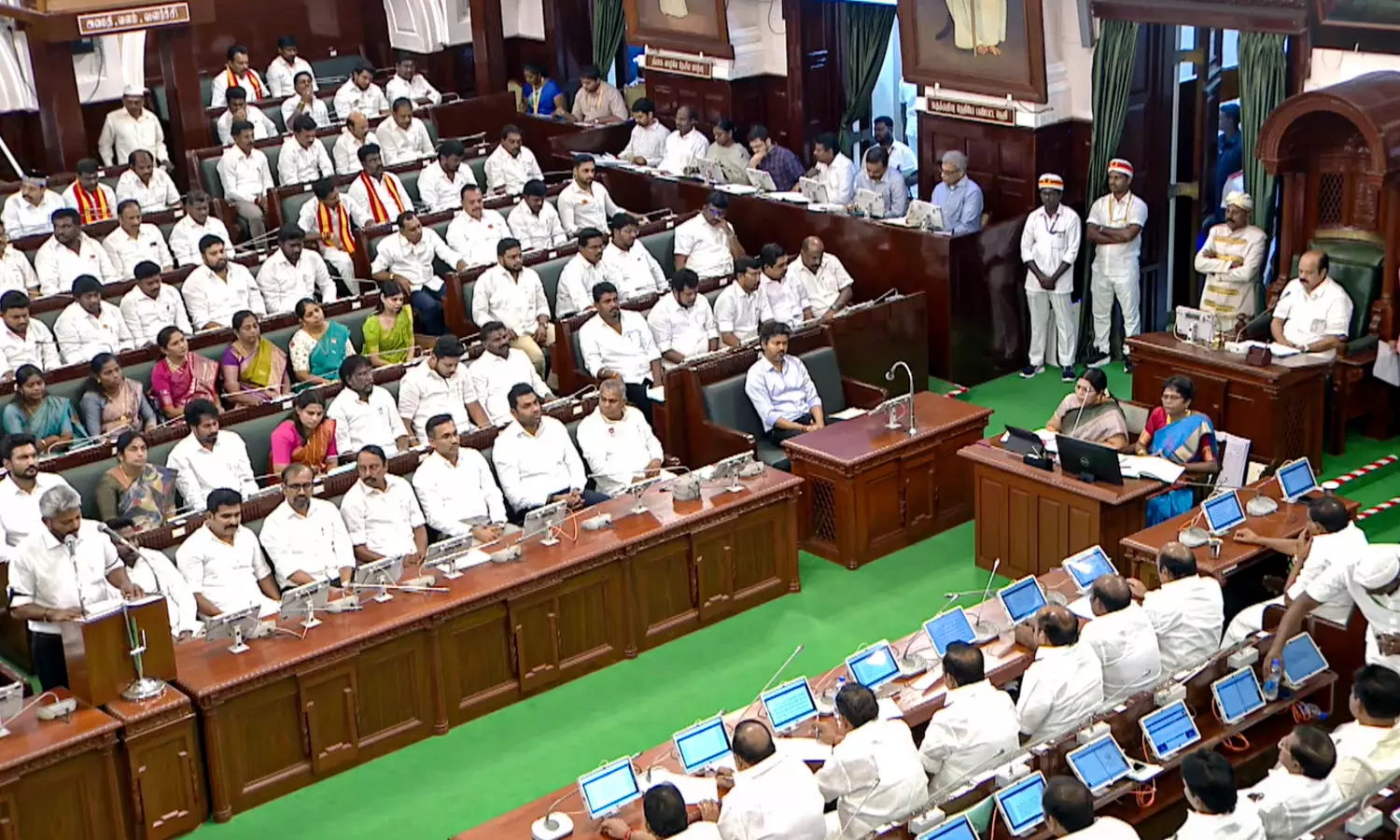
Preparing Students for Future Careers
Recognising the rapid transformation of industries worldwide, the government aims to equip students with future-ready skills through reforms in education and vocational training.
Special focus will be placed on subjects such as artificial intelligence, robotics, digital technologies, innovation, and problem-solving. By aligning education with industry requirements, the state hopes to bridge the gap between academic learning and employment opportunities while enhancing the competitiveness of its young workforce.
Strengthening Digital Governance
The budget also highlights the government’s commitment to expanding digital governance and improving administrative efficiency through technology.
The increased use of AI-powered systems is expected to simplify public services, support data-driven decision-making, improve transparency, and enhance the overall delivery of government programmes. Digital transformation is viewed as an important component of the state’s broader economic development strategy.
Infrastructure to Support Economic Expansion
Infrastructure development remains another major pillar of the budget. The government plans to continue investing in roads, transport networks, urban development, and public infrastructure to support industrial growth and improve connectivity.
These investments are expected to attract private sector participation, strengthen manufacturing capabilities, facilitate business operations, and create a more competitive environment for investment across the state.
Improved infrastructure is also expected to contribute to job creation while supporting the long-term expansion of Tamil Nadu’s industrial and service sectors.
Employment and Industrial Development
Alongside technology and infrastructure, the government is focusing on employment generation and industrial competitiveness. The budget aims to promote investment in manufacturing, information technology, electronics, digital services, and other high-growth sectors.
By supporting innovation and expanding skill development programmes, Tamil Nadu hopes to create quality employment opportunities while strengthening its position as one of India’s leading destinations for business and investment.
A Vision for Sustainable Growth
The budget reflects a balanced approach that combines economic expansion with investments in education, technology, governance, and public infrastructure. Rather than focusing solely on short-term fiscal measures, it outlines a long-term roadmap designed to sustain growth over the coming decade.
Achieving the ambitious target of building a $1.5 trillion economy by 2036 will depend on consistent policy implementation, continued investment, industrial expansion, and the successful adoption of emerging technologies. With artificial intelligence, education, and innovation at the heart of its strategy, Tamil Nadu aims to build a more competitive, inclusive, and future-ready economy.