
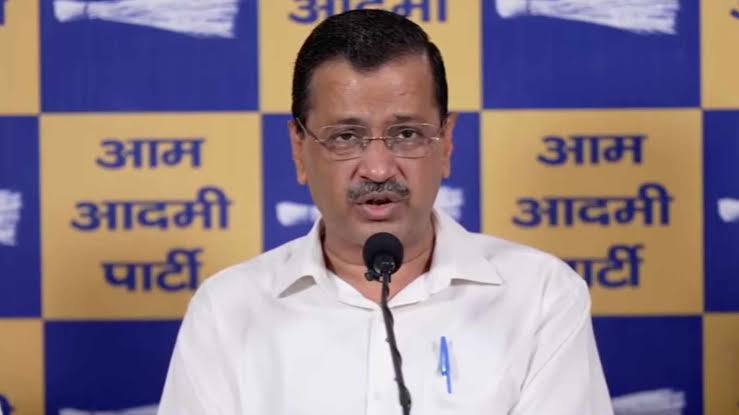
A fresh political row has emerged after Aam Aadmi Party (AAP) national convenor Arvind Kejriwal claimed that his Instagram account had been restricted for users in India. The senior opposition leader alleged that the action was not accidental and accused Meta, the parent company of Instagram, of yielding to political pressure.
The allegation has sparked widespread discussion on social media, raising fresh concerns over digital censorship, freedom of expression, and the responsibility of global technology companies to remain politically neutral while operating in democratic countries.
Kejriwal Raises Questions Over Instagram Restriction
Arvind Kejriwal stated that users in India were unable to access his Instagram account, prompting him to publicly question the reason behind the restriction. He alleged that the platform had limited access to his account and suggested that the move reflected political influence rather than a routine moderation decision.
Addressing Meta through a public message, Kejriwal urged the company not to compromise its independence. He said global social media platforms should not allow themselves to be influenced by governments or political leaders and must ensure that every citizen’s right to express opinions is protected.
According to Kejriwal, social media has become an important platform for public communication, and restricting political voices without transparency can undermine democratic values.
Debate Over Digital Freedom
The development has once again brought attention to the growing debate surrounding content moderation on social media platforms. With millions of users relying on digital platforms for news, political discussions, and public engagement, any restriction involving a prominent political leader quickly attracts national attention.
The incident has also renewed discussions on whether technology companies maintain equal standards while enforcing their community guidelines or whether political considerations influence certain decisions.
Critics argue that greater transparency is needed whenever high-profile public accounts are restricted so that users understand the reasons behind such actions. 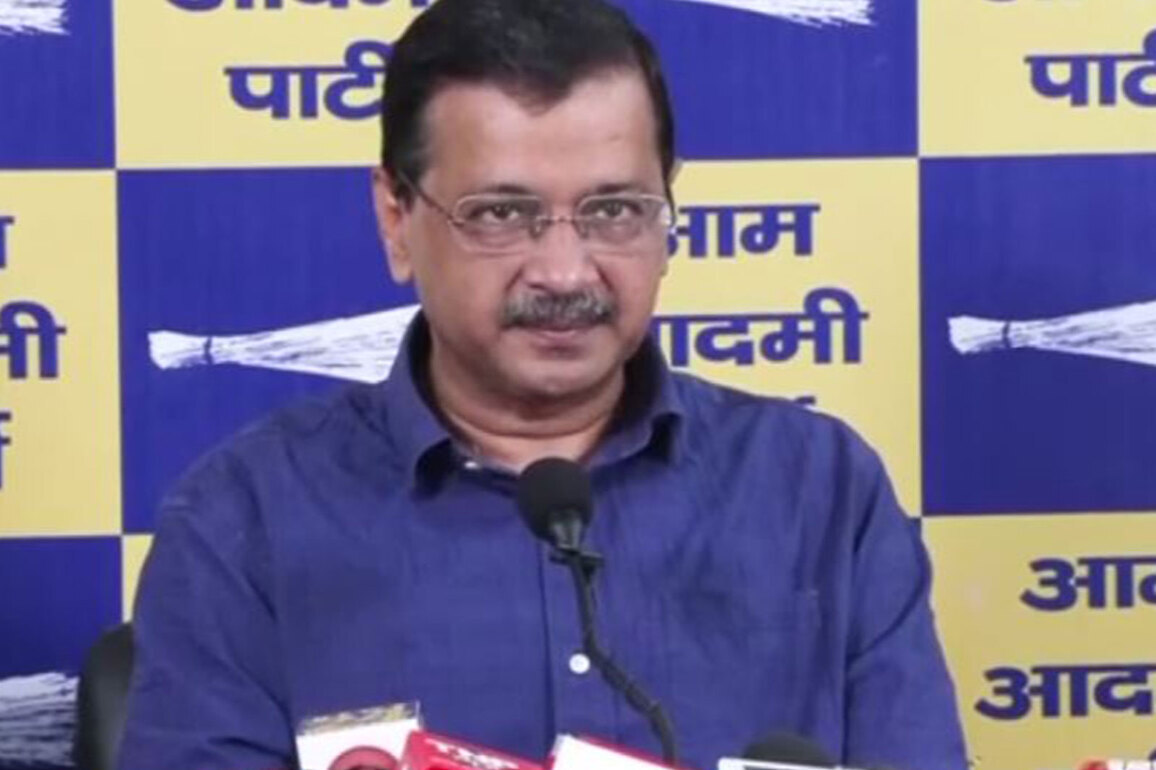
Meta Yet to Issue Detailed Clarification
At the time Kejriwal made the allegation, there was no detailed public explanation regarding the reported restriction on his Instagram account.
Social media companies generally use automated systems as well as manual reviews to monitor content and enforce platform policies. In some cases, technical issues or moderation errors can temporarily affect account visibility. However, without an official clarification regarding this specific incident, the exact reason behind the reported restriction remains uncertain.
The absence of a detailed explanation has led to further speculation and intensified calls for greater accountability from digital platforms.
Political Reactions and Public Discussion
The controversy has generated significant reactions among political supporters and social media users. Supporters of the Aam Aadmi Party viewed the alleged restriction as an attack on political expression, while others called for a factual explanation before drawing conclusions.
Political leaders across party lines have previously raised concerns over the functioning of social media platforms, with allegations ranging from selective content moderation to inconsistent enforcement of platform policies.
These recurring controversies highlight the increasing influence of digital platforms in shaping political communication and public opinion.
Growing Focus on Platform Transparency
The incident has once again highlighted the need for greater transparency in the way social media companies handle content moderation involving public figures.
Experts have often emphasized that technology companies should clearly communicate why accounts or content are restricted and provide accessible mechanisms for users to appeal such decisions. Transparent moderation practices are considered essential for maintaining public trust, particularly when political leaders and democratic discourse are involved.
As social media continues to play a central role in political campaigns and public engagement, expectations for fairness, accountability, and consistent policy enforcement are likely to remain under close scrutiny.
Conclusion
Arvind Kejriwal’s allegation regarding the restriction of his Instagram account has added another chapter to the ongoing debate over digital freedom and the role of technology companies in political communication. While questions remain over the exact cause of the reported restriction, the episode has once again underscored the importance of transparency, accountability, and equal treatment for all users on social media platforms.