
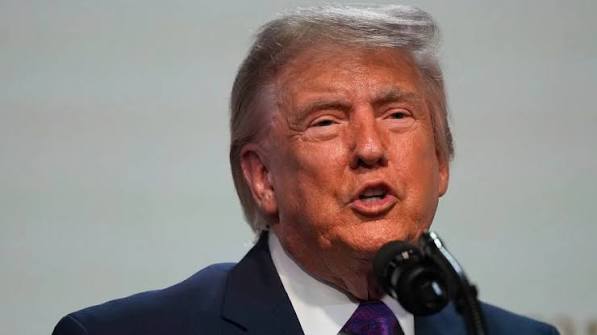
Former US President Donald Trump has revealed that the United States had considered launching one of the largest military operations in modern history against Iran but ultimately decided not to proceed with the plan. Trump described the proposed action as potentially the biggest attack carried out by the US since World War II, highlighting the seriousness of tensions between Washington and Tehran.
According to Trump, the operation was planned as part of efforts to address concerns surrounding Iran’s nuclear ambitions and broader regional activities. However, after reviewing the possible consequences, the plan was abandoned. He indicated that the decision was influenced by concerns over the scale of destruction, possible civilian casualties, and the wider impact on global security.
The revelation has drawn renewed attention to the long-standing conflict between the United States and Iran, which has been marked by disputes over nuclear development, sanctions, military influence in the Middle East, and regional security issues.
Concerns Over Escalation Influenced Decision
Trump said that while the United States had the capability to carry out a major strike, officials ultimately decided against moving forward because the consequences could have been unpredictable and severe.
A military attack on Iran could have triggered a broader conflict across the Middle East, involving multiple countries and armed groups with links to Tehran. Experts have previously warned that any direct military confrontation between the two nations could affect energy markets, international trade routes, and regional stability.
The former president’s comments shed light on the difficult decisions faced by US leaders when considering military action against countries viewed as strategic threats. Large-scale operations require extensive planning, intelligence assessments, and evaluation of possible political and humanitarian outcomes.
US-Iran Relations Remain Highly Sensitive
Relations between Washington and Tehran have remained tense for decades, with disagreements intensifying over Iran’s nuclear programme and its role in regional affairs.
The United States has repeatedly expressed concerns that Iran could use its nuclear capabilities to develop weapons, while Tehran has maintained that its nuclear activities are intended for peaceful purposes. Diplomatic efforts to resolve the dispute have faced repeated challenges, with negotiations often affected by political changes in both countries.
During Trump’s presidency, the US adopted a tougher approach towards Iran, including increased economic pressure and military measures. The administration also withdrew from the nuclear agreement signed between Iran and major world powers, arguing that the deal did not sufficiently restrict Tehran’s activities. 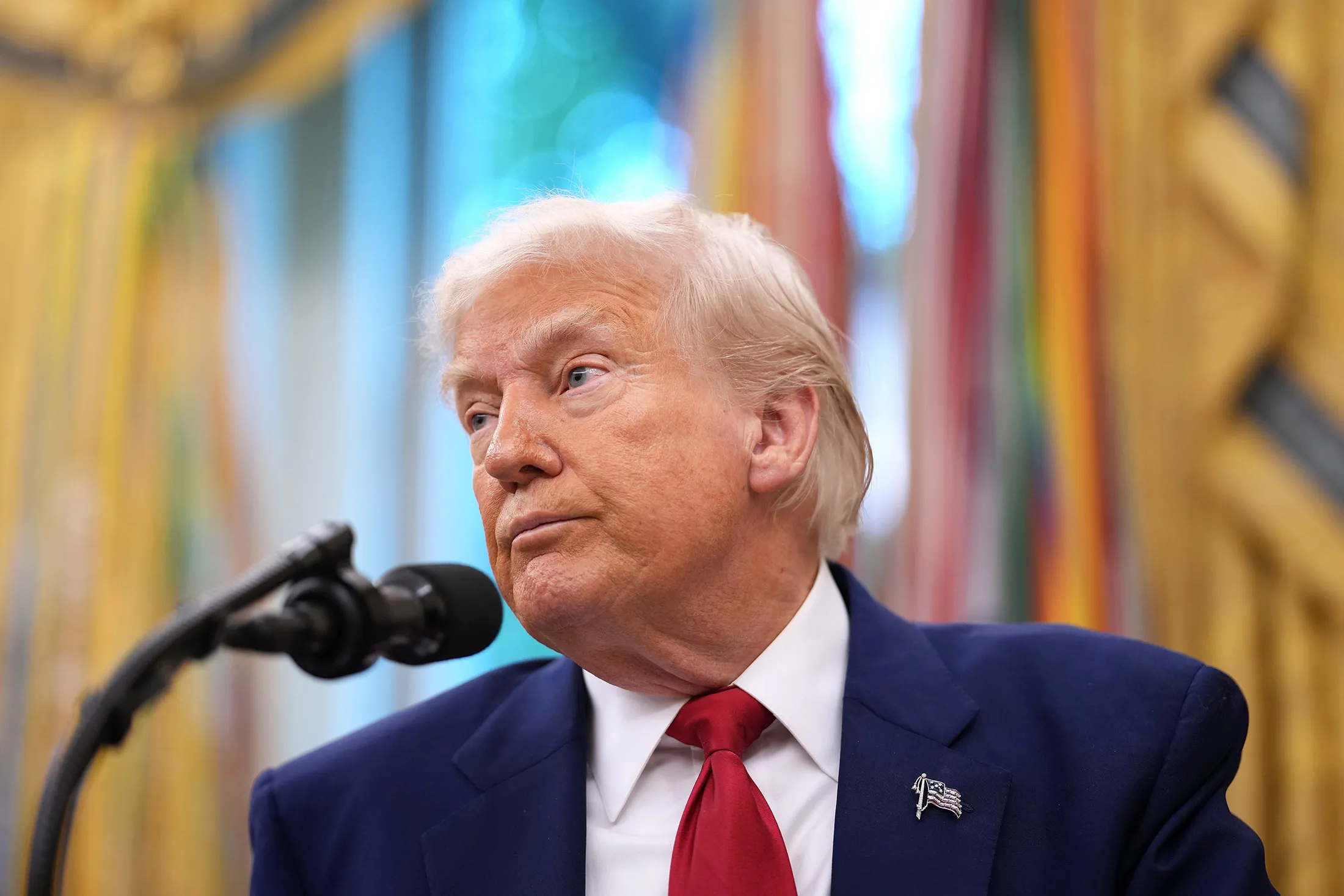
Military Planning Highlights Global Security Risks
The possibility of a major US strike against Iran reflects the broader challenges involved in international security decisions. Military planners often consider not only immediate objectives but also long-term consequences, including retaliation, regional instability, and humanitarian impact.
Any major attack on Iran could have led to responses from Iranian forces and allied groups in neighbouring countries. Analysts have warned that such a situation could have expanded into a wider regional war involving several nations.
Trump’s remarks have reignited debate over whether military force is the most effective method for dealing with international disputes, particularly in regions already affected by political instability and conflict.
Debate Over Trump’s Statement
Trump’s disclosure has prompted discussions among political observers and foreign policy experts about the scale of the proposed operation and the reasons behind cancelling it.
Supporters of a stronger stance against Iran argue that military pressure is necessary to prevent threats to US interests and allies. Critics, however, believe that a large-scale strike could have created greater instability and resulted in consequences that would be difficult to control.
The revelation comes at a time when tensions in the Middle East continue to remain a major concern for governments around the world. The possibility of military escalation between major powers remains closely monitored due to its potential impact on global security and diplomacy.
As debates continue over the appropriate approach towards Iran, Trump’s comments have highlighted the complexity of decisions involving military action and the importance of balancing security objectives with broader international consequences.