
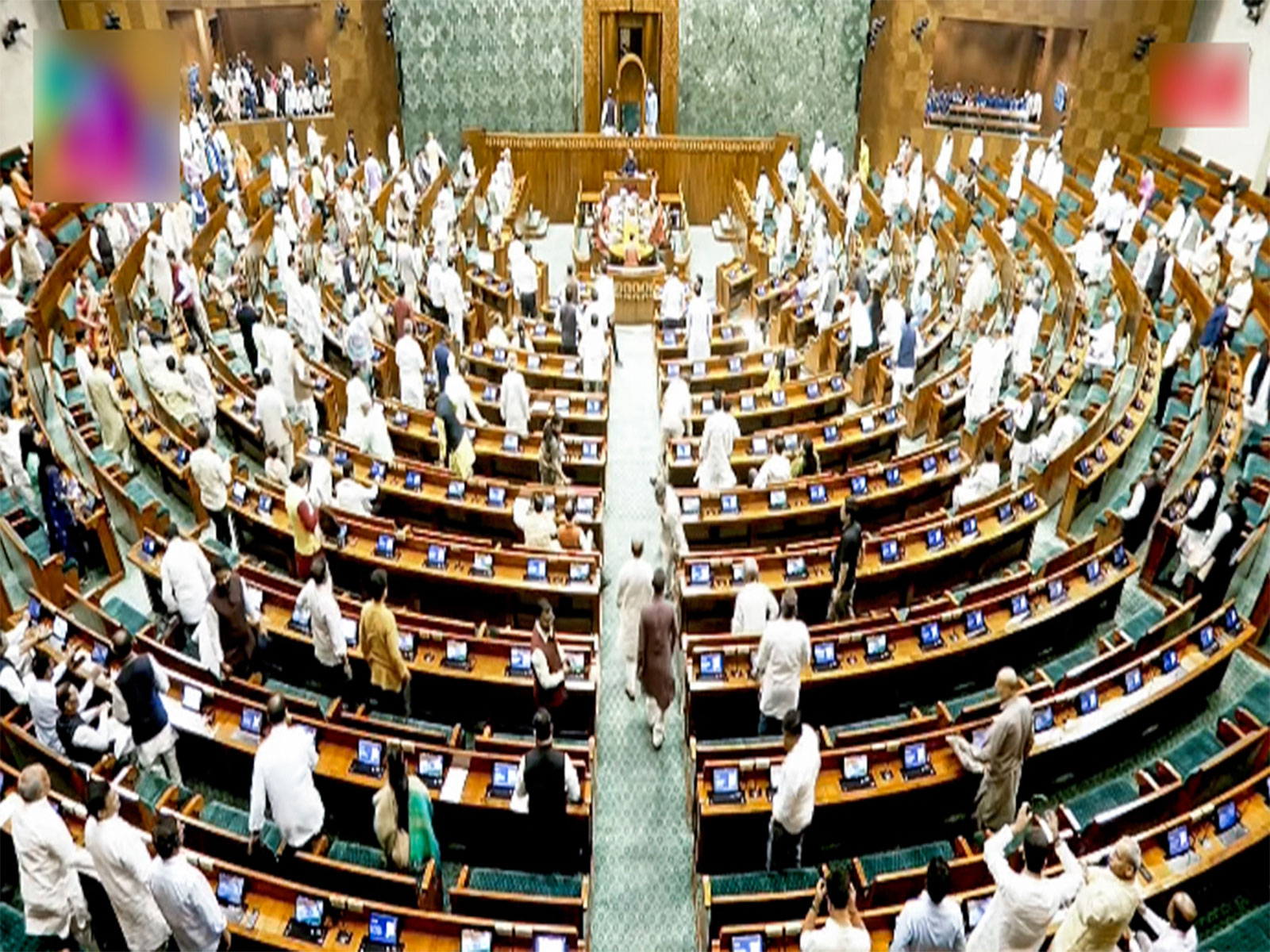
Despite persistent disruptions in both Houses of Parliament during the ongoing Monsoon Session, the Central Government is preparing to move forward with an important legislative agenda by introducing four significant Bills. The proposed measures cover a range of governance and judicial reforms, including amendments to the Foreign Contribution (Regulation) Act (FCRA), changes concerning Supreme Court judges, and two additional legislative proposals aimed at strengthening administrative and legal frameworks.
The move reflects the government’s determination to continue its legislative business even as repeated protests by opposition parties have stalled proceedings on multiple occasions.
Government Continues Legislative Push
The Monsoon Session has witnessed frequent adjournments amid intense confrontations between the ruling alliance and the opposition over various political and national issues. Despite the impasse, the government has scheduled the introduction and consideration of four important Bills, signalling its intention to advance pending legislative reforms.
Parliamentary Affairs officials indicated that the government remains committed to ensuring that priority legislation is introduced and debated whenever proceedings resume.
FCRA Amendment Bill on the Agenda
Among the most closely watched proposals is the amendment to the Foreign Contribution (Regulation) Act (FCRA), a law governing the acceptance and utilisation of foreign contributions by individuals, associations, and non-governmental organisations.
The proposed amendments are expected to strengthen regulatory mechanisms, improve transparency, and streamline compliance procedures related to foreign funding. While detailed provisions are likely to be discussed during parliamentary debate, the Bill is expected to attract significant attention from civil society organisations, legal experts, and political parties because of the law’s broad impact on NGOs and institutions receiving overseas funding.
The government has maintained that periodic amendments to the FCRA are necessary to improve accountability and ensure that foreign contributions are utilised in accordance with national interests and statutory requirements. 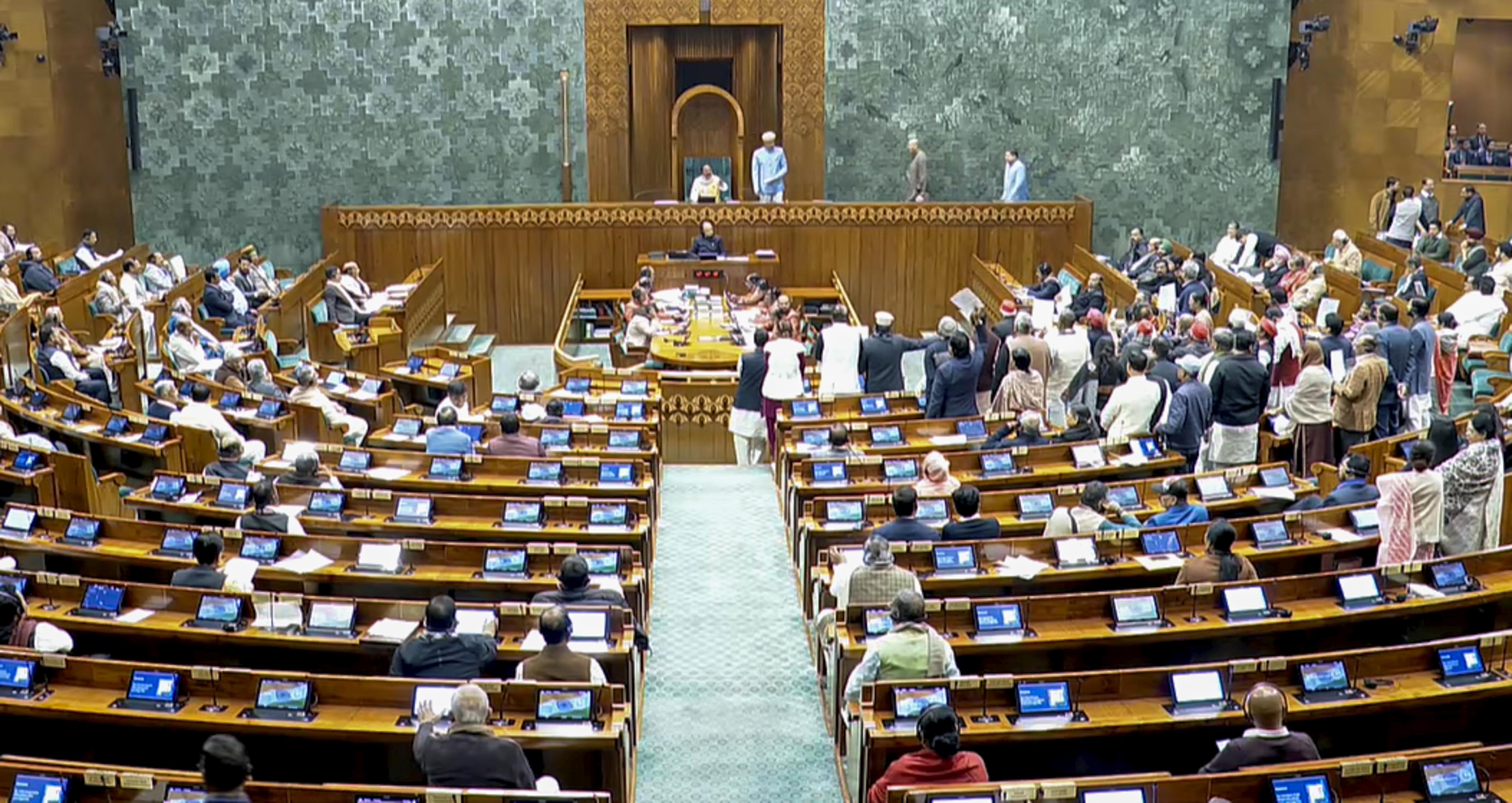
Bill Related to Supreme Court Judges
Another major legislative proposal concerns matters related to Supreme Court judges. The Bill seeks to address administrative and service-related aspects connected with the functioning of the country’s highest judiciary.
Judicial reforms often receive close scrutiny from legal professionals and constitutional experts, particularly when legislation affects the institutional framework of the Supreme Court. The proposed measure is expected to be discussed extensively if Parliament is able to function without interruptions.
The government has stated that strengthening judicial administration remains an important component of its broader governance reforms.
Two Additional Bills Scheduled
Apart from the FCRA amendment and the Bill concerning Supreme Court judges, the Centre has also listed two other Bills for introduction and consideration during the day’s parliamentary business.
These legislative proposals form part of the government’s broader policy agenda aimed at improving governance, updating existing legal frameworks, and addressing administrative requirements across different sectors.
Although details of these Bills are expected to emerge during parliamentary discussions, officials have indicated that they are considered important for the government’s legislative programme.
Opposition Protests Continue to Disrupt Proceedings
The legislative agenda comes against the backdrop of continued disruptions in Parliament, where opposition members have repeatedly demanded discussions on several contentious issues.
Both the Lok Sabha and the Rajya Sabha have witnessed frequent adjournments in recent days as opposition parties staged protests, raised slogans, and sought debates on matters they consider to be of urgent public importance.
The repeated interruptions have significantly reduced the amount of productive business conducted during the current session, with several scheduled debates and legislative discussions being postponed.
Government Calls for Smooth Functioning of Parliament
The government has appealed to all political parties to allow Parliament to function normally so that pending legislative business can be completed within the limited duration of the Monsoon Session.
Ministers have emphasised that Parliament serves as the primary forum for discussing national issues while also carrying out its constitutional responsibility of debating and passing legislation. According to the government, disruptions delay important policy decisions and affect legislative productivity.
Officials have expressed hope that consensus can be achieved to facilitate discussions on both legislative proposals and issues raised by opposition members.
Importance of the Current Legislative Agenda
The four Bills listed for consideration represent significant areas of governance involving financial regulation, judicial administration, and institutional reforms. Their introduction demonstrates the government’s intention to continue pursuing its legislative priorities despite political disagreements inside Parliament.
Whether these Bills progress further will largely depend on the smooth functioning of both Houses during the remaining days of the Monsoon Session. With repeated adjournments affecting parliamentary business, the government and opposition are expected to continue negotiations aimed at restoring normal proceedings.
As Parliament reconvenes, attention will remain focused on whether lawmakers can move beyond the ongoing deadlock and engage in substantive debate on the proposed legislation, which could have long-term implications for governance, judicial administration, and regulatory oversight in India.