
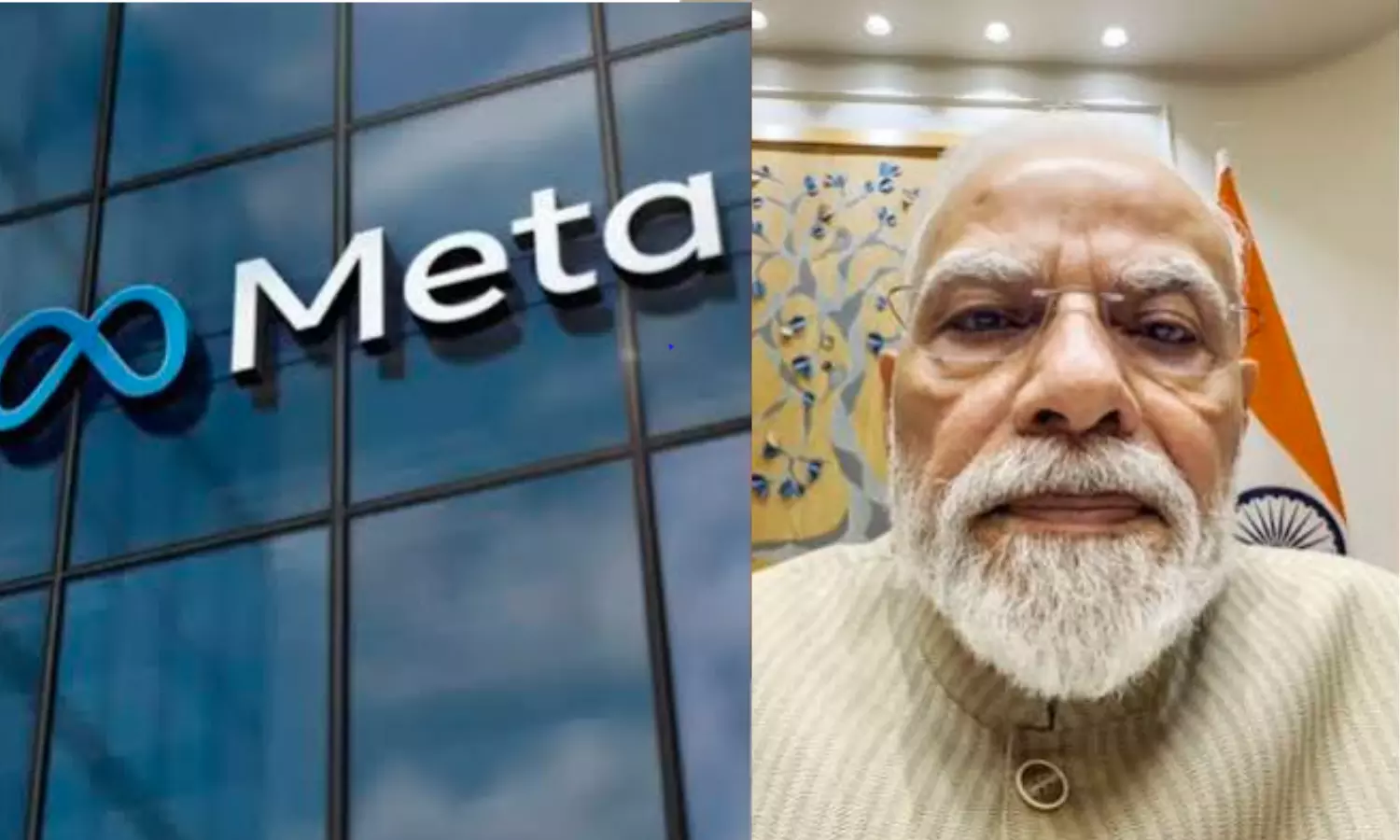
The head of Meta’s India operations has been named in a First Information Report (FIR) in connection with the circulation of allegedly morphed images and social media posts targeting Prime Minister Narendra Modi during a protest linked to the Centre for Justice and Peace (CJP). The development has intensified the debate surrounding the accountability of social media platforms in curbing misinformation and objectionable digital content.
The case relates to content allegedly shared across Meta-owned platforms that featured edited or manipulated images of the Prime Minister. According to the complaint, the posts were circulated during a public demonstration connected to issues surrounding the NEET paper leak controversy and were intended to spread misleading information while portraying the Prime Minister in a derogatory manner.
Complaint Alleges Failure to Prevent Harmful Content
Authorities registered the FIR after receiving a complaint alleging that manipulated content targeting the Prime Minister remained accessible on social media despite being reported. The complainant argued that the platform failed to take timely action against the posts, allowing them to spread widely among users.
Investigators are examining whether the circulation of the altered content violated provisions of the Bharatiya Nyaya Sanhita (BNS) and the Information Technology Act. Officials are also looking into the origin of the posts, the accounts responsible for creating or sharing them, and whether platform moderation mechanisms functioned effectively in addressing the complaints.
Meta India Head Included in Investigation
As part of the legal proceedings, Meta India’s top executive has been named in the FIR. Investigators are expected to determine whether any liability arises from the company’s handling of user-generated content and whether due diligence obligations under Indian law were fulfilled.
Being named in an FIR does not imply guilt. It marks the beginning of a criminal investigation during which authorities gather evidence, record statements, and assess whether any offences have been committed. Any determination of responsibility will ultimately depend on the outcome of the investigation and subsequent legal proceedings.
Protest Linked to NEET Paper Leak Controversy
The disputed social media posts reportedly emerged during a demonstration organised in connection with concerns over the alleged irregularities in the NEET examination process. Protesters had been demanding accountability and transparency following widespread allegations regarding the paper leak issue.
During the protest, several posters, banners, and digital images critical of the government circulated online. Authorities allege that some of these visuals were digitally altered and designed to mislead the public, prompting legal action against those involved in creating or distributing the content.
Growing Scrutiny of Social Media Platforms
The case adds to the increasing scrutiny faced by global technology companies operating in India over their responsibilities in tackling misinformation, manipulated media, and harmful online content.
Government agencies have repeatedly stressed that digital platforms must comply with Indian laws and act promptly against content that violates legal provisions. The incident is likely to renew discussions on intermediary liability, content moderation policies, and the balance between freedom of expression and preventing the spread of false or defamatory material.
Legal experts note that while social media companies generally enjoy certain protections as intermediaries, they are also expected to exercise due diligence and respond appropriately when unlawful content is brought to their attention.
Investigation Underway
Police officials have begun collecting digital evidence and are expected to examine the sequence of events surrounding the creation, reporting, and continued availability of the disputed posts. Investigators may seek information from the platform regarding account activity, moderation decisions, and compliance with requests from law enforcement agencies.
No conclusions have yet been reached regarding criminal liability, and the investigation remains ongoing. Authorities have indicated that further action will depend on the evidence gathered during the course of the inquiry.
The case is expected to have wider implications for discussions on digital governance, platform accountability, and the responsibilities of technology companies operating in India’s rapidly expanding online ecosystem.