
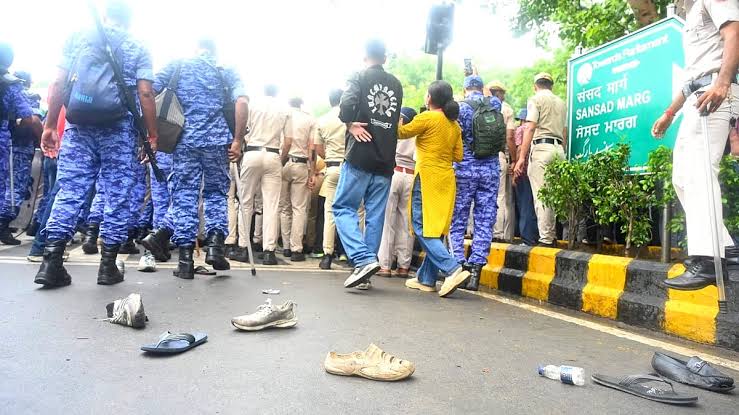
The ongoing protest led by the Cockroach Janata Party (CJP) has entered a new phase, with the organisation adding a fourth demand to its list of demands and calling for legal protection for those who participated in the July 20 demonstration at Delhi’s Jantar Mantar.
CJP spokesperson Ashutosh Ranka announced the latest demand as the protest continued in the national capital. The organisation is now seeking an assurance that no First Information Reports (FIRs) will be registered and no legal action will be initiated against protesters who took part in the July 20 gathering peacefully.
According to Ranka, several demonstrators have become concerned about possible legal action following their participation in the protest. He said the organisation would stand by those protesters and would oppose any action against individuals who, according to the CJP, participated peacefully in the demonstration.
The latest demand has been added to three other demands that the organisation has already been raising during its ongoing agitation. These include the release of activist Sonam Wangchuk, the resignation of Union Education Minister Dharmendra Pradhan and financial compensation of ₹1 crore for the families of people who died by suicide.
With the addition of the fourth demand, the CJP’s list now focuses on four key issues: the release of Wangchuk, a change in political leadership at the education ministry, financial assistance for affected families and the withdrawal of any proposed legal action against peaceful protesters.
CJP Seeks Protection for July 20 Protesters
Addressing demonstrators during the ongoing agitation, Ranka said the organisation was aware of concerns among people who had participated in the July 20 protest. He maintained that protesters who had demonstrated peacefully should not face criminal proceedings or other forms of legal action.
Ranka also indicated that the CJP would take responsibility for standing with protesters if authorities moved against them. His remarks were aimed at reassuring demonstrators who may be worried about the possibility of FIRs or other proceedings following the protest.
The demand comes amid heightened attention surrounding the continuing agitation at Jantar Mantar. The CJP has been maintaining its protest for more than a month, with the latest development adding a legal and political dimension to the movement.
The organisation’s position is that peaceful participation in a protest should not result in criminal proceedings. By making the withdrawal of legal action a formal demand, the CJP has placed the issue of protesters’ legal protection alongside its earlier political and financial demands.
Four Demands Now at the Centre of Protest
The CJP’s expanded list of demands reflects the issues that the organisation says are central to its ongoing campaign.
The first demand concerns Sonam Wangchuk, whose release has been sought by the protesters. Wangchuk has emerged as one of the prominent figures associated with the broader issues surrounding the agitation.
The second demand is the resignation of Union Education Minister Dharmendra Pradhan. The CJP has linked the minister’s position to its broader political concerns and is calling for his resignation as part of its campaign.
The third demand seeks ₹1 crore in compensation for the families of individuals who died by suicide. The organisation has argued that these families deserve financial support and assistance.
The newly added fourth demand focuses directly on the July 20 protest. The CJP is seeking a commitment that participants who protested peacefully will not face FIRs or other legal proceedings.
Together, the four demands have become the central framework of the organisation’s continuing agitation. 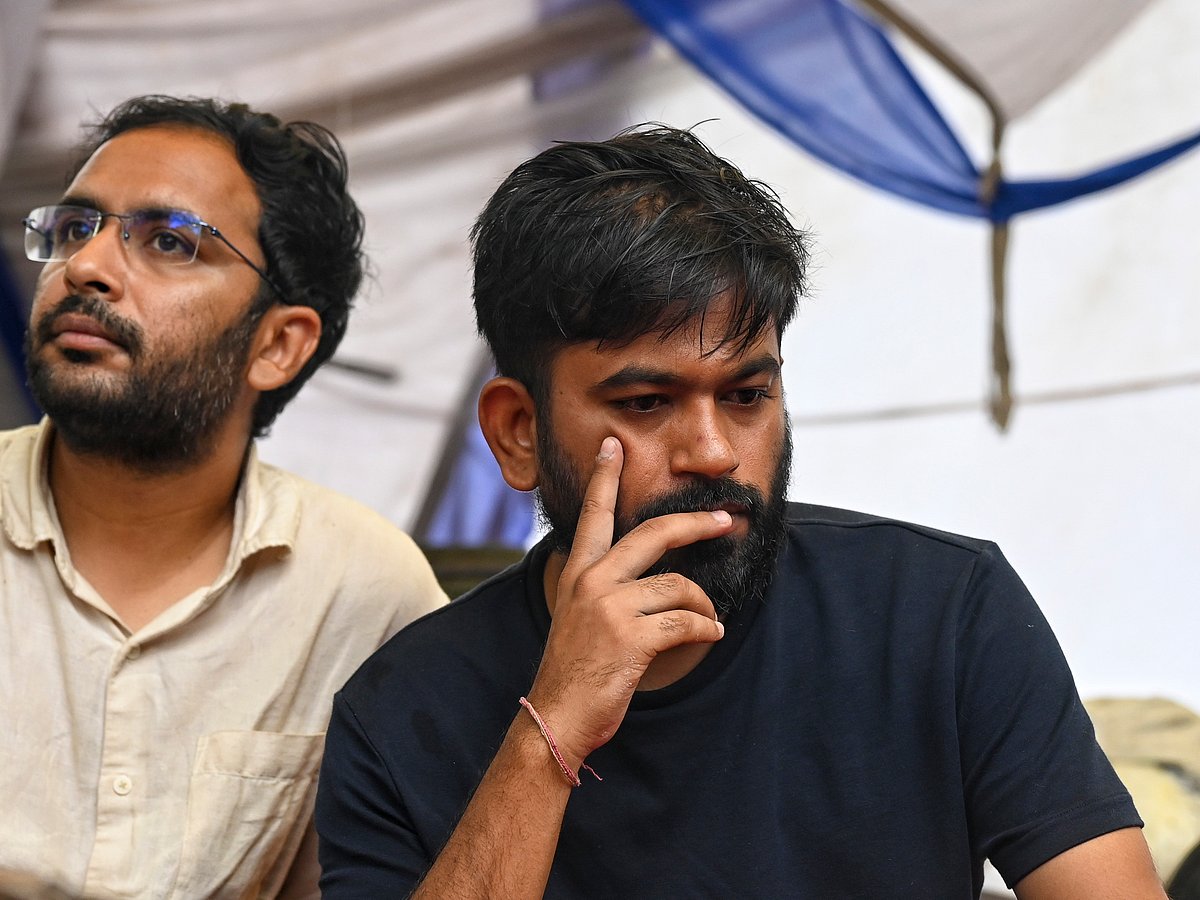
Protest Continues at Jantar Mantar
The announcement came as the protest continued at Jantar Mantar in New Delhi. The location has traditionally served as a major venue for public demonstrations and political movements in the capital, and the ongoing CJP agitation has attracted attention amid growing political activity around the protest.
The organisation has continued to mobilise supporters while pressing authorities over its demands. The latest announcement suggests that the movement is not limited to its original political demands but is also increasingly focused on the treatment of protesters and the potential legal consequences of participating in demonstrations.
The issue of FIRs has become particularly significant for protesters who fear that participation in public demonstrations could expose them to criminal proceedings. The CJP has therefore sought to make the withdrawal or prevention of such action an explicit part of its negotiations and public campaign.
Political and Legal Issues Overlap
The latest development highlights the intersection of political demands and concerns over civil liberties surrounding public protests. While governments and law enforcement agencies have the responsibility to maintain public order, protesters and political groups often emphasise the importance of the right to peaceful assembly and expression.
The CJP’s fourth demand is based on its assertion that those who participated peacefully should not be subjected to legal action. However, any decision regarding FIRs or criminal proceedings ultimately depends on the facts of individual cases and the applicable legal process.
The organisation’s demand is therefore likely to remain an important part of the continuing debate surrounding the protest. The issue could also draw further attention if authorities respond to the demand or clarify their position regarding the July 20 demonstration.
Protest Movement Enters a Critical Stage
With the protest continuing and the list of demands expanding, the CJP movement appears to be entering a more critical stage. The organisation has made clear that it intends to continue raising its concerns while seeking action on all four demands.
The latest call for protection from legal action is particularly significant because it directly concerns protesters who have already participated in the agitation. It also signals the organisation’s intention to make the issue of potential criminal proceedings a central part of its campaign.
For now, the CJP’s protest remains ongoing, with its leadership continuing to push for the release of Sonam Wangchuk, the resignation of Union Education Minister Dharmendra Pradhan, ₹1 crore compensation for the families of those who died by suicide and protection from legal action for peaceful participants in the July 20 protest.
The situation remains developing, and further developments are expected as the authorities respond to the organisation’s expanded set of demands and as the protest continues in the national capital.