
The Monsoon Session of Parliament witnessed a sharp political confrontation on Monday as opposition parties criticised the Union government over a student protest in Delhi, with senior leaders accusing the administration of failing to address concerns surrounding education, examinations and the future of young people.
Leader of Opposition in the Lok Sabha Rahul Gandhi launched a strong attack on Prime Minister Narendra Modi, describing him as the “most anti-youth” Prime Minister India has ever had. His remarks came after Parliament was adjourned amid continuing political debate over the treatment of students protesting outside the legislature.
Gandhi said the young men and women participating in the demonstration were not criminals and argued that their demands should be considered legitimate. He accused the government and police of using excessive force against protesters and urged the Prime Minister to intervene and address their concerns.
The Congress leader also broadened his criticism to the country’s education system and the functioning of educational institutions. According to him, young people and their families are increasingly frustrated with the way the education system is being managed. He alleged that political influence over educational institutions has become a major concern and accused the government of relying on what he described as deceit and violence instead of responding to public grievances.
The issue also dominated opposition statements in the Rajya Sabha. Congress president and Leader of Opposition Mallikarjun Kharge said the protest was directly linked to the future of a large number of students. He alleged that thousands of young people had gathered at Jantar Mantar and claimed that police action, including a lathi-charge, had taken place during the protest.
Kharge argued that students facing uncertainty over examinations and education-related issues should not be treated as a threat. He accused the government of attempting to suppress the protesters rather than engaging with them and said the responsibility for addressing their concerns lay with the Union government.
Speaking to the media later, Kharge intensified his criticism, alleging that a large number of students were under severe distress and that many had left their homes in pursuit of educational opportunities. He held the Modi government responsible for what he described as the deterioration of the situation and accused the Prime Minister of using such controversies to divert attention from the government’s shortcomings. 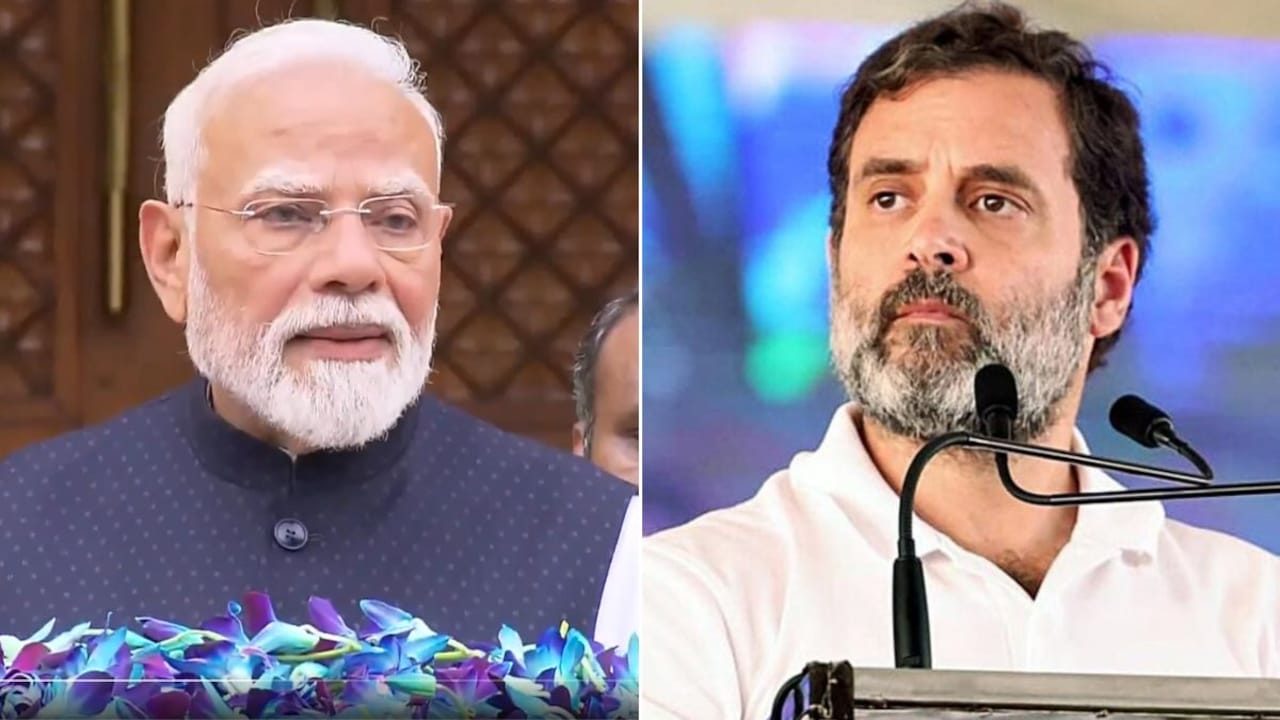
Samajwadi Party chief Akhilesh Yadav also criticised the government’s handling of the protest. He claimed that several young people had suffered injuries and said the demonstrations reflected growing anger among India’s youth. Yadav argued that repeated concerns about the future of students had contributed to the mobilisation and suggested that the growing participation of young people indicated a broader sense of dissatisfaction.
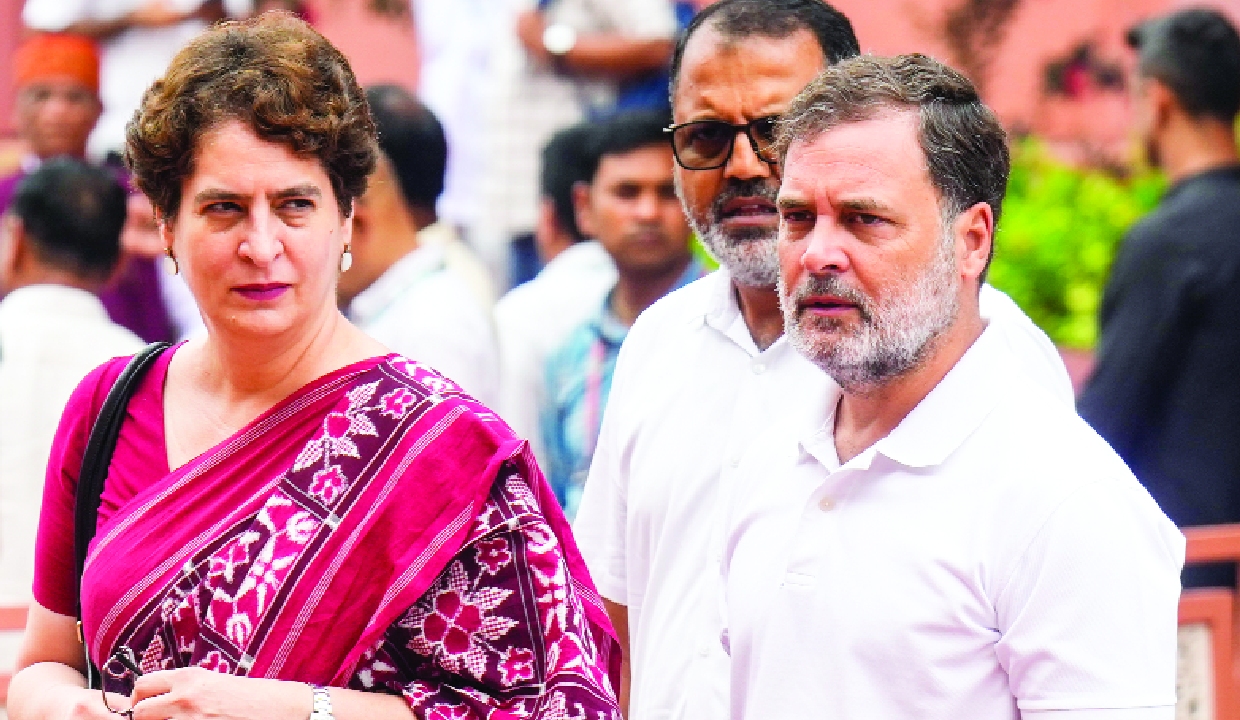
Congress MP Priyanka Gandhi Vadra focused particularly on examination-related concerns. She questioned the government’s handling of alleged irregularities in competitive examinations and referred to the controversy surrounding the NEET examination process. She argued that students should not face repeated uncertainty over examinations and questioned why such problems continued despite assurances that the process would be closely monitored.
The Congress leadership also demanded greater accountability from the Union government. Congress general secretary KC Venugopal alleged that the administration had failed to respond adequately to public concerns and said parents across the country were worried about the educational future of their children.
Among the opposition’s demands was the resignation of the Union education minister and a discussion in Parliament on issues linked to the NEET and CBSE examination systems. The party argued that Parliament should provide a platform for a detailed examination of concerns raised by students, parents and other stakeholders.
The confrontation comes at a time when education and examination-related issues have become politically sensitive subjects. For students and families, controversies surrounding competitive examinations can have serious consequences, particularly when they involve delays, cancellations, alleged irregularities or uncertainty over results. Opposition parties have sought to use these concerns to question the government’s broader approach to education and youth policy.
The BJP, however, rejected the opposition’s characterisation of the protest. BJP leader Amit Malviya alleged that incidents of stone-pelting had taken place during the demonstration and questioned whether the violence was spontaneous. He claimed that organised groups may have played a role in escalating tensions and said an investigation would determine individual responsibility for any criminal activity.
The competing claims have added another layer to the political dispute, with the opposition focusing on alleged police action and the government’s handling of student grievances, while the BJP has raised questions about violence and the intentions of those supporting the demonstration.
The episode has also highlighted the wider political significance of youth and education issues ahead of the continuing parliamentary proceedings. With both the government and opposition seeking to establish their positions, student concerns have emerged as a prominent point of political debate.
For the opposition, the protests represent evidence of growing frustration among young people over education and employment-related challenges. The government and its supporters, meanwhile, have emphasised the need to examine allegations of violence and maintain public order during demonstrations.
As the Monsoon Session progresses, the dispute is likely to remain part of the larger political contest between the ruling alliance and opposition parties. The immediate focus is expected to remain on student grievances, examination systems and the government’s response to protests, while the opposition is pressing for parliamentary discussions and greater accountability.
The developments have placed the issue of India’s youth at the centre of the political discourse. With millions of students and young job seekers closely watching policy decisions related to education and examinations, the confrontation has the potential to remain a significant issue during the session.