

The ongoing protest led by climate activist and education reformer Sonam Wangchuk gathered renewed momentum on Sunday after three students joined his indefinite hunger strike at Delhi’s Jantar Mantar. Their participation has strengthened the movement calling for constitutional protections, environmental safeguards, and greater political representation for the Union Territory of Ladakh.
The students—Neha Bora, Manish Kumar, and Ameen Amitoj—announced that they would continue the fast in solidarity with Wangchuk, who has been at the center of the campaign demanding long-term legal and constitutional measures to safeguard Ladakh’s fragile ecosystem, cultural identity, and democratic rights.
Students Extend Support to the Movement
The decision by the three students to join the hunger strike reflects growing support among young people for the demands being raised by Wangchuk and other civil society groups. Addressing supporters gathered at the protest site, the students expressed concern over environmental degradation, limited political representation, and the future of local communities in Ladakh.
They stated that their participation was intended to amplify the voices of Ladakh’s residents and to encourage broader public engagement with issues affecting the region.
The hunger strike has attracted students, environmental activists, social workers, and citizens from different parts of the country, many of whom believe Ladakh’s unique ecological and cultural heritage requires stronger constitutional protection.
Core Demands of the Protest
The protest revolves around several long-standing demands concerning the governance and future of Ladakh. Among the key issues being highlighted are:
- Constitutional safeguards for Ladakh under the Sixth Schedule.
- Greater protection for the region’s fragile Himalayan environment.
- Stronger measures to preserve Ladakh’s cultural and tribal identity.
- Enhanced democratic representation and local participation in decision-making.
- Policies aimed at ensuring sustainable development without harming the region’s ecological balance.
Supporters argue that these measures are necessary to protect Ladakh from unchecked development and environmental challenges while safeguarding the interests of indigenous communities. 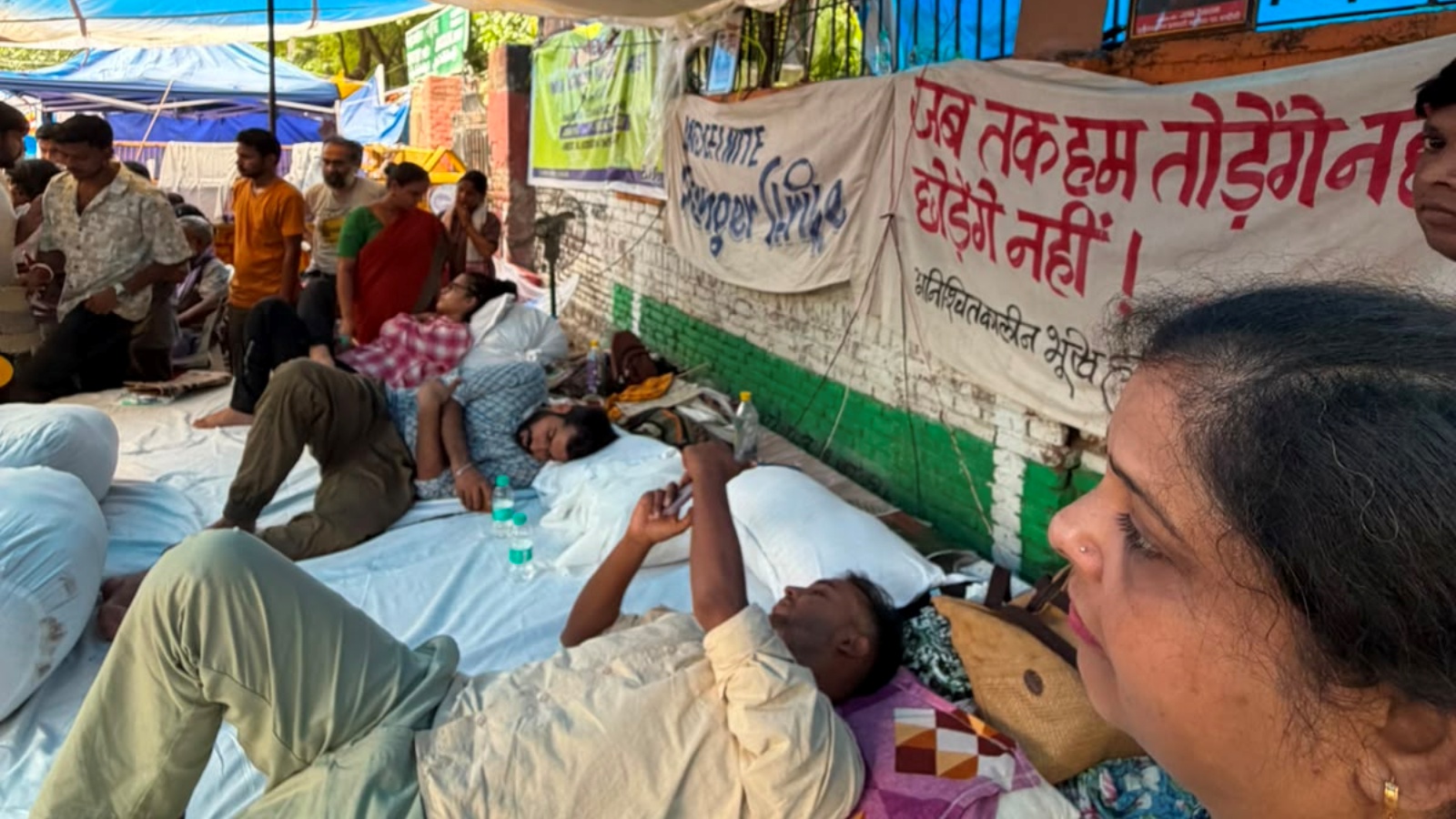
Wangchuk Continues Indefinite Fast
Sonam Wangchuk has maintained that his hunger strike is a peaceful and democratic effort to draw national attention to Ladakh’s concerns. Throughout the protest, he has repeatedly appealed for constructive dialogue and urged authorities to engage meaningfully with representatives from the region.
He has emphasized that the movement is not driven by political interests but by the need to secure a sustainable future for Ladakh, whose glaciers, water resources, biodiversity, and traditional communities face increasing pressure from climate change and rapid development.
The activist has consistently maintained that constitutional safeguards would provide a stronger legal framework to balance development with environmental conservation.
Growing Public Participation
The protest site at Jantar Mantar has witnessed a steady flow of supporters, including students, environmental advocates, social organizations, and citizens from various backgrounds. Demonstrators have participated peacefully by holding placards, raising slogans, and expressing solidarity with the hunger strike.
Many participants believe Ladakh occupies a strategically important position and possesses a unique ecological landscape that deserves special protection through well-defined legal provisions.
Observers note that the inclusion of students in the indefinite fast has added fresh momentum to the movement and expanded its appeal among younger generations.
Focus on Environmental Protection
Environmental conservation remains one of the central themes of the campaign. Protesters argue that Ladakh’s glaciers, water resources, and mountain ecosystems are particularly vulnerable to the effects of climate change and increasing developmental activities.
Activists have called for policies that prioritize sustainable tourism, responsible infrastructure development, and long-term ecological planning while ensuring that local communities remain active participants in decisions affecting their land and livelihoods.
Calls for Dialogue Continue
As the hunger strike continues, supporters are urging the government to engage in meaningful discussions with representatives of the movement. Protest organizers have reiterated that their objective is to achieve a peaceful resolution through dialogue while ensuring that Ladakh’s constitutional, environmental, and developmental concerns receive serious attention.
With more individuals joining the protest, the movement has entered a new phase, highlighting growing public interest in the future governance and ecological security of Ladakh. Whether these demonstrations result in policy discussions or legislative action remains to be seen, but the expanding participation suggests that the campaign continues to resonate with supporters across the country.