
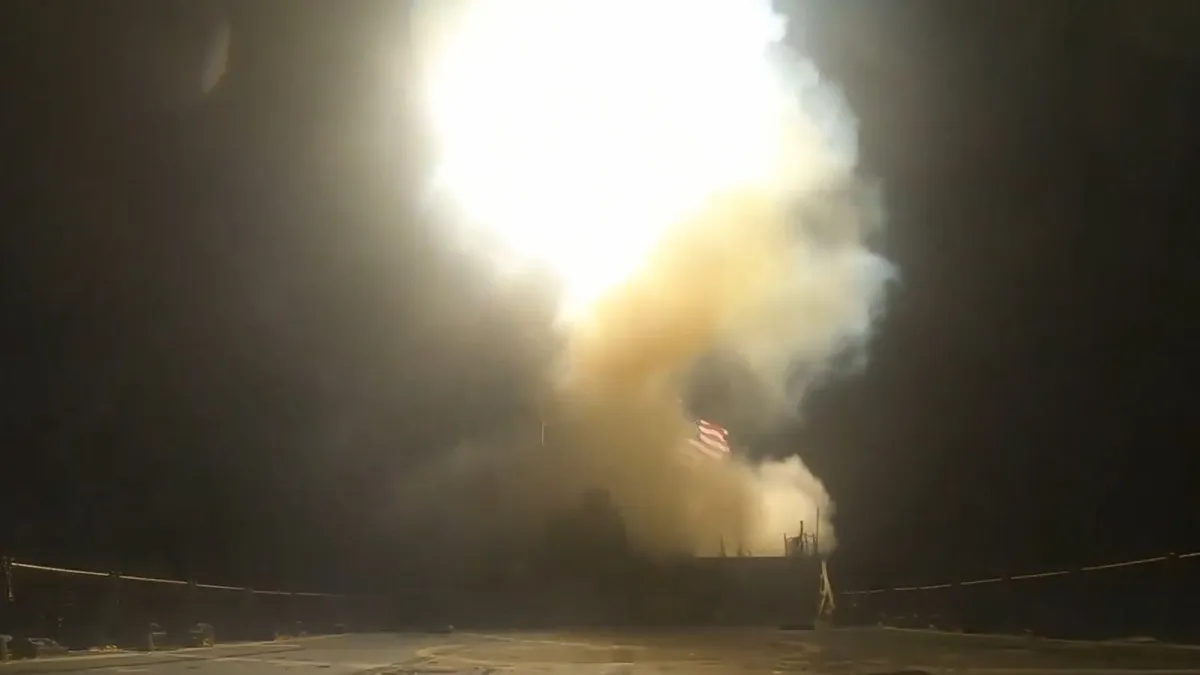
The military confrontation between the United States and Iran continued for a seventh consecutive night, with fresh airstrikes and growing regional tensions fueling fears of a wider conflict across the Middle East. The prolonged exchange of attacks has significantly increased concerns over the security of the Strait of Hormuz, one of the world’s most strategically important maritime routes, as governments and global markets closely monitor the evolving situation.
The renewed hostilities have intensified uncertainty across the Gulf region, where military operations and heightened security alerts have become increasingly frequent. Analysts warn that any further escalation could disrupt international shipping, threaten energy supplies, and trigger broader geopolitical consequences extending well beyond the Middle East.
Airstrikes Continue Amid Escalating Military Tensions
Military operations continued overnight as both sides remained engaged in an increasingly volatile confrontation. Reports indicated that additional airstrikes targeted strategic locations linked to Iran’s military infrastructure, while Iranian authorities continued to condemn the attacks and warned of possible retaliation.
The latest developments marked another significant escalation in a conflict that has steadily intensified over recent days. Security experts believe the continued exchange of strikes has increased the risk of miscalculation, potentially drawing additional regional actors into the confrontation.
Governments across the world are closely monitoring developments, with diplomatic efforts continuing behind the scenes to prevent the conflict from expanding into a larger regional war.
Strait of Hormuz Remains at the Centre of Global Attention
One of the biggest concerns arising from the conflict is the security of the Strait of Hormuz, a narrow but strategically vital waterway connecting the Persian Gulf to global markets. A substantial portion of the world’s crude oil and liquefied natural gas exports passes through this route every day, making it one of the most important energy corridors in international trade.
Any disruption to shipping through the strait could have immediate consequences for global energy markets. Oil-importing countries, shipping companies, and international financial markets remain on alert as the conflict raises concerns about possible restrictions on commercial navigation.
Although maritime traffic has continued, increased military activity in surrounding waters has heightened risks for commercial vessels operating in the region. 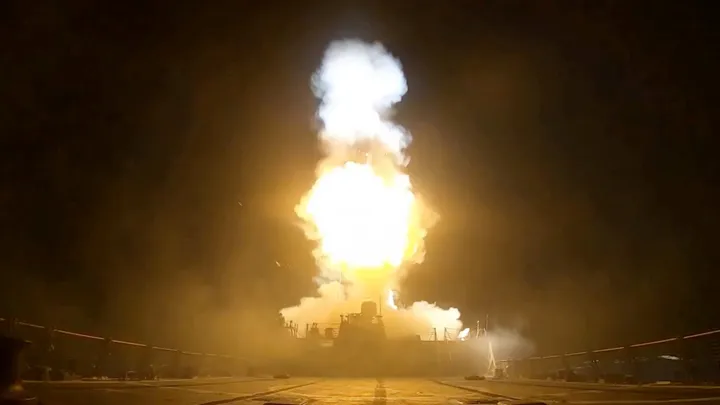
Global Energy Markets Watch Developments Closely
The ongoing conflict has added fresh uncertainty to global energy markets, where investors are carefully assessing the possibility of supply disruptions. Even the prospect of reduced shipping activity through the Strait of Hormuz has the potential to influence international crude oil prices and increase volatility across commodity markets.
Energy analysts note that prolonged instability in the Gulf region often leads to higher transportation costs, increased insurance premiums for commercial vessels, and greater uncertainty for countries heavily dependent on imported oil and gas.
Governments are also reviewing contingency measures to ensure uninterrupted energy supplies should the situation deteriorate further.
International Community Calls for Restraint
Several countries and international organisations have urged both sides to exercise restraint and pursue diplomatic solutions to avoid further escalation. Global leaders have expressed concern that continued military operations could destabilise an already fragile region and negatively impact international trade and economic stability.
Diplomatic channels remain active as efforts continue to encourage dialogue, reduce tensions, and prevent additional military action. However, the intensity of recent developments has complicated attempts to achieve immediate de-escalation.
Experts believe sustained diplomatic engagement will be essential in preventing the conflict from expanding beyond its current scope.
Regional Security Concerns Intensify
Neighbouring countries have strengthened security measures in response to the deteriorating situation. Military preparedness has increased across several Gulf states, while authorities continue to monitor developments affecting maritime security, airspace management, and critical infrastructure.
The conflict has also raised concerns about the potential impact on civilian populations, regional commerce, and international business operations. Airlines and shipping companies continue to evaluate operational risks as security conditions evolve.
Global Markets Brace for Uncertainty
Financial markets have responded cautiously as investors weigh the geopolitical risks associated with the ongoing conflict. Energy prices, shipping costs, and investor sentiment remain highly sensitive to developments in the Gulf region.
Economists caution that any prolonged disruption involving the Strait of Hormuz could have far-reaching economic consequences, particularly for countries dependent on stable energy imports. Businesses across multiple sectors are also assessing contingency plans amid continued uncertainty.
Outlook
As the conflict enters its seventh night, uncertainty continues to dominate the geopolitical landscape. While diplomatic efforts remain underway, the persistence of military operations has heightened concerns about regional stability and global economic implications.
With the Strait of Hormuz remaining central to international energy security, governments, markets, and security agencies worldwide are expected to closely monitor every development. The coming days will be critical in determining whether diplomatic initiatives can ease tensions or whether the confrontation will deepen further, carrying significant consequences for the Middle East and the global economy.