
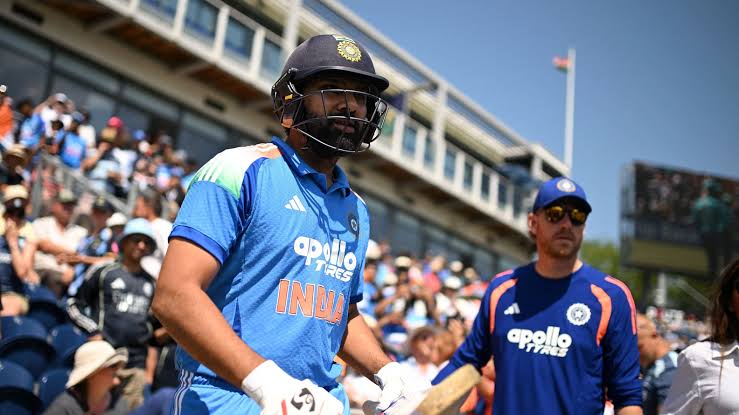
Former India Test captain Rohit Sharma reportedly made a final attempt to hold discussions with senior officials of the Board of Control for Cricket in India (BCCI) after receiving a clear message from the national selection committee regarding his future in the longest format of the game. However, according to multiple reports, the conversations failed to produce the outcome he had hoped for, ultimately leading to the end of his Test captaincy and paving the way for a leadership transition within the Indian team.
The development marks one of the most significant leadership changes in Indian cricket in recent years, with selectors deciding to move in a different direction as the team prepares for its upcoming Test assignments and the next cycle of the ICC World Test Championship.
Selection Committee Reportedly Presented a Clear Choice
Reports suggest that chairman of selectors Ajit Agarkar conveyed a straightforward message to Rohit Sharma during discussions over India’s future Test plans. The selectors are believed to have informed the veteran batter that if he wished to continue playing Test cricket, he would likely have to do so without the captaincy.
The selection committee reportedly wanted a long-term leadership plan and preferred appointing a captain who could lead the side consistently over the coming years. The proposal effectively meant that Rohit would need to accept a reduced role within the squad while continuing solely as a senior batter.
Sources indicate that Rohit was not entirely convinced by the proposal and sought further discussions before making a final decision.
Attempt to Reach Senior BCCI Officials
Following the selectors’ communication, Rohit Sharma is reported to have approached senior BCCI officials in an effort to understand whether the decision could be reconsidered or whether an alternative arrangement was possible.
However, the response from the board reportedly made it clear that the selectors had been given complete authority over cricketing matters and team selection. Officials are said to have expressed confidence in the selection committee’s roadmap, leaving little room for intervention.
According to reports, the lack of support for overturning the selectors’ position left Rohit disappointed, as he realized that the decision had effectively been finalized. 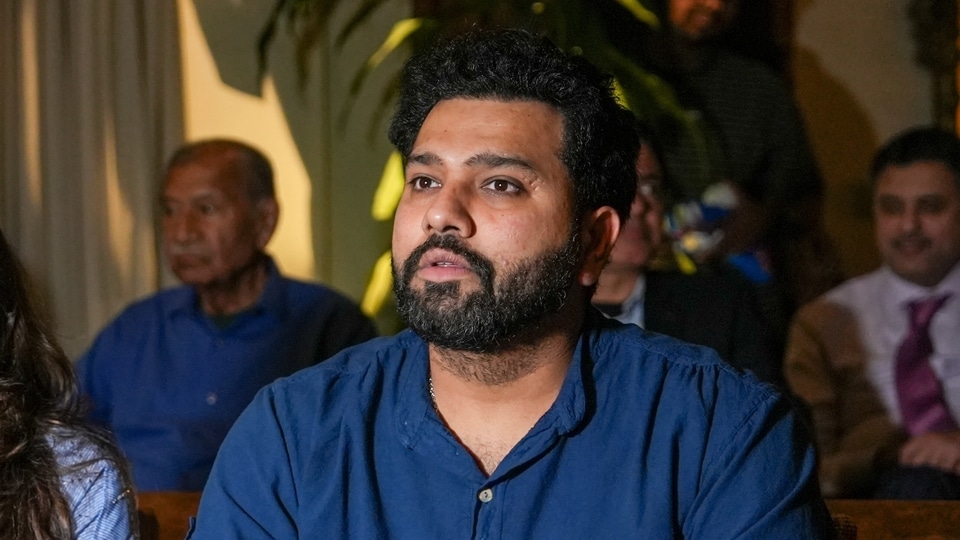
Shift Towards Long-Term Planning
The reported developments reflect the BCCI’s broader strategy of building a younger leadership group capable of guiding India through multiple overseas tours and major ICC tournaments.
With the next World Test Championship cycle already underway, selectors are believed to have prioritized continuity and long-term stability over short-term arrangements. The management reportedly wants a captain who can remain in the role for several years while helping shape the next generation of Indian Test cricketers.
The decision is also viewed as part of a larger transition within Indian cricket, where experienced players are gradually making way for emerging talent across formats.
Rohit’s Test Legacy Remains Significant
Despite the reported disagreement over the captaincy, Rohit Sharma’s contribution to Indian Test cricket remains widely acknowledged.
After initially establishing himself as a white-ball specialist, Rohit successfully reinvented his Test career by opening the batting. His transformation brought consistency at the top of the order and helped India achieve several memorable victories both at home and overseas.
As captain, he guided India through challenging bilateral series while also leading the team during an important phase of transition. His calm leadership style and tactical awareness earned praise from teammates and cricket experts alike.
Even though the chapter may have ended sooner than expected, Rohit’s achievements as a Test cricketer and captain remain an important part of Indian cricket’s recent history.
Selectors Focused on Future Leadership
The selection committee’s reported stance suggests that age, workload management and long-term planning were among the major factors influencing the decision.
Indian cricket is entering a new phase with several younger players expected to take on greater responsibility. Leadership succession has become a key priority as the team prepares for demanding international schedules across all formats.
The move also highlights the increasingly independent role played by the national selection committee in shaping the future of the Indian team, with cricketing decisions being driven by long-term strategic considerations rather than individual preferences.
What Lies Ahead for Rohit Sharma
While his future in Test cricket appears to have reached a turning point, Rohit Sharma remains one of India’s most experienced players in limited-overs formats. His leadership credentials and batting experience continue to make him a valuable figure in Indian cricket.
Whether he continues to feature in international cricket outside the Test arena or gradually transitions into a mentoring role will become clearer in the coming months. Regardless of what comes next, Rohit’s influence on Indian cricket—as a batter, captain and senior professional—will remain significant.
The reported sequence of events underscores how major selection decisions are often shaped by long-term planning, even when they involve some of the game’s biggest names. As India looks toward the future, the leadership transition represents the beginning of a new chapter while bringing an important era in Rohit Sharma’s Test career to a close.