
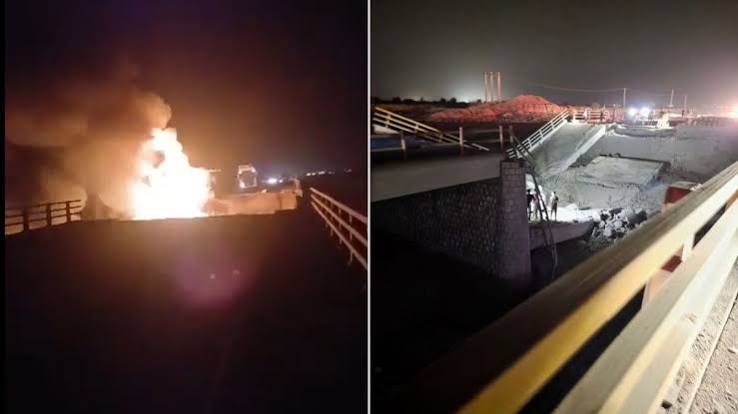
The conflict involving Iran has entered a more dangerous phase after six key bridges were reportedly destroyed during ongoing military operations, significantly disrupting transportation and logistical networks. The latest developments have also seen the confrontation extend beyond Iranian territory, with military activities and security concerns increasingly affecting neighboring Syria and Iraq.
The widening conflict has heightened fears of a broader regional war, drawing international attention as governments closely monitor the rapidly changing security situation across the Middle East.
Strategic Infrastructure Comes Under Attack
According to official reports, six important bridges were damaged or destroyed in separate military strikes. These bridges played a critical role in connecting transportation routes used for civilian movement, commercial activities, and military logistics.
The destruction of the infrastructure is expected to have immediate humanitarian and economic consequences. Civilian travel has been severely disrupted, while emergency services and supply chains face increasing challenges in reaching affected areas.
Military analysts believe that targeting transportation infrastructure is intended to limit the movement of military equipment, personnel, and supplies while weakening strategic mobility across conflict zones.
Conflict Expands Beyond Iran
As military operations continue, the impact of the conflict is increasingly being felt in Syria and Iraq. Security agencies in both countries have heightened their alert levels amid concerns that cross-border military actions, armed groups, and regional alliances could further complicate the situation.
Both Syria and Iraq have long remained sensitive areas due to the presence of multiple armed factions, foreign military forces, and ongoing security challenges. The latest escalation has increased fears that existing tensions could develop into wider confrontations involving additional regional actors.
Experts warn that instability in these neighboring countries could significantly increase the complexity of the conflict and make diplomatic efforts more difficult. 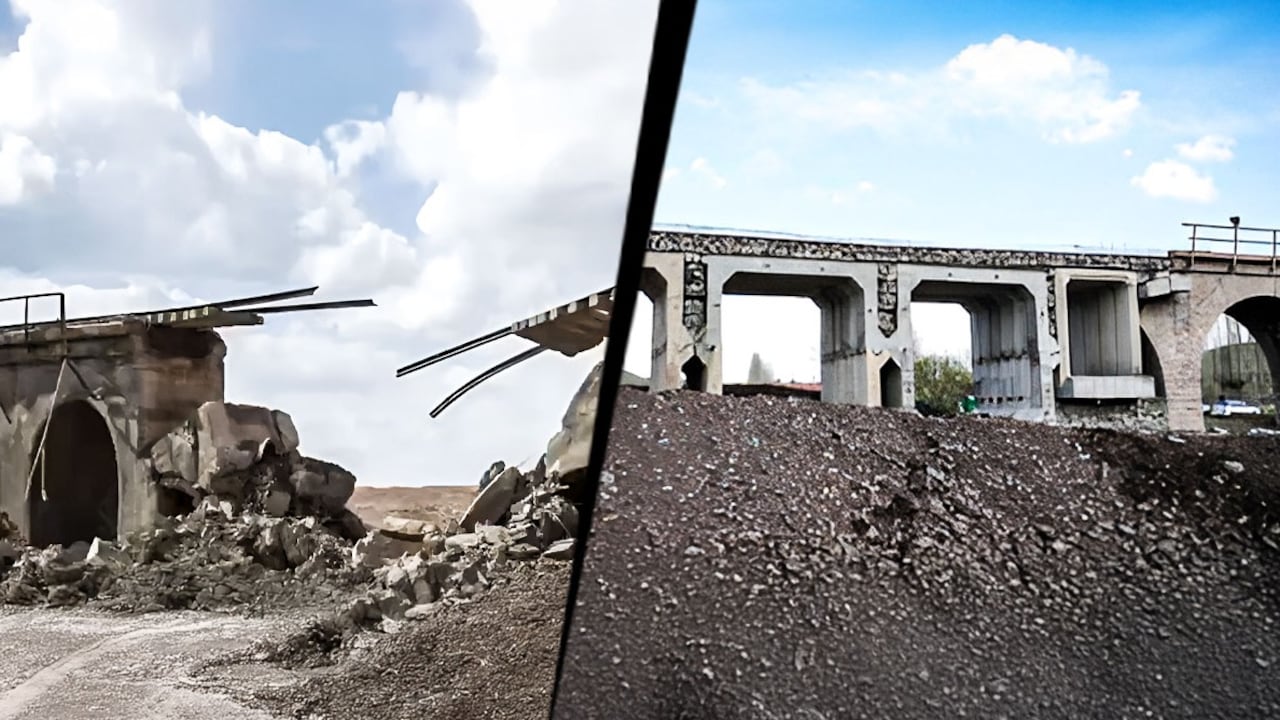
Regional Security Under Pressure
The latest developments underline the fragile security environment across the Middle East. Any expansion of military operations into neighboring territories raises concerns over regional stability, particularly as several countries maintain strategic interests and military presence throughout the region.
Governments across the Middle East are closely monitoring the situation, while defense and intelligence agencies continue assessing potential security risks resulting from the expanding conflict.
International observers have expressed concern that attacks on critical infrastructure may further increase humanitarian challenges while reducing the ability of civilians to access essential services.
Humanitarian Concerns Continue to Grow
The destruction of transportation infrastructure is expected to affect thousands of civilians living in and around the impacted regions. Damaged bridges limit access to hospitals, emergency relief operations, food supplies, and evacuation routes.
Humanitarian organizations remain concerned that prolonged military activity could worsen displacement, interrupt aid delivery, and increase pressure on already vulnerable communities.
Relief agencies are expected to evaluate the extent of infrastructure damage before planning large-scale assistance operations in affected areas.
Diplomatic Efforts Face New Challenges
The widening conflict has complicated ongoing diplomatic efforts aimed at reducing tensions in the region. Several international stakeholders continue urging restraint while emphasizing the importance of dialogue to prevent further escalation.
Foreign policy experts believe that the destruction of strategic infrastructure and the geographical expansion of military operations reduce opportunities for immediate de-escalation and increase the risk of unintended confrontations involving additional countries.
Global leaders continue to call for diplomatic engagement to avoid a broader regional crisis that could have significant economic, humanitarian, and security consequences.
International Community Closely Watches Developments
The evolving situation has attracted close attention from governments worldwide, with many assessing the possible implications for regional trade, energy security, and international stability.
The Middle East remains one of the world’s most strategically important regions, and any prolonged conflict has the potential to affect global markets, diplomatic relations, and international security planning.
Analysts note that continued attacks on infrastructure and the expansion of military operations into neighboring countries could further destabilize an already volatile region.
Outlook
With strategic infrastructure damaged, military activity expanding beyond Iran, and tensions spreading into Syria and Iraq, the conflict appears to be entering a more complex and unpredictable stage. The coming days are expected to be critical as regional governments, international organizations, and global powers continue monitoring developments while seeking diplomatic solutions to prevent a wider Middle East conflict.
The situation remains fluid, and further developments are likely to shape the future course of regional security and international diplomatic efforts.