
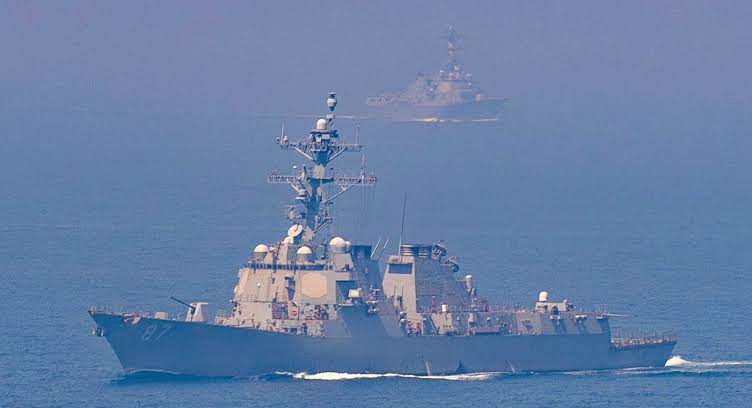
The Strait of Hormuz, one of the world’s most strategically important maritime corridors for energy transportation, is witnessing a significant decline in shipping activity as escalating tensions involving Iran continue to disrupt global oil trade. The slowdown has raised fresh concerns among governments, shipping companies, energy traders, and financial markets about the security of one of the busiest oil transit routes in the world.
The narrow waterway serves as the primary gateway for crude oil and liquefied natural gas exports from major Gulf producers, including Saudi Arabia, Iraq, the United Arab Emirates, Kuwait, Qatar, and Iran. Any disruption in vessel movement through the strait has immediate consequences for global energy supplies and international shipping operations.
Tanker Traffic Declines
According to shipping industry data, the number of oil tankers passing through the Strait of Hormuz has dropped noticeably in recent days as security concerns increase. Many shipping operators are choosing to delay voyages, adjust schedules, or reassess planned routes due to heightened geopolitical risks in the region.
Industry experts say vessel operators are closely monitoring military developments and regional security updates before allowing ships to enter the sensitive waterway. The increased uncertainty has prompted shipping firms to prioritize crew safety while evaluating potential operational risks.
Although commercial shipping continues through the strait, the reduced traffic highlights growing caution among international maritime companies that rely heavily on stable passage through the Gulf.
Strategic Importance of the Strait
The Strait of Hormuz remains one of the world’s most critical maritime chokepoints. A substantial share of global crude oil exports and liquefied natural gas shipments passes through the narrow channel every day, making it indispensable to international energy markets.
Energy-importing nations across Asia, Europe, and other regions depend heavily on uninterrupted shipping through Hormuz. Even limited disruptions can influence fuel availability, shipping costs, insurance premiums, and international commodity prices.
Because alternative export routes remain limited, prolonged interruptions could create logistical challenges for both oil producers and importing countries. 
Rising Geopolitical Tensions
The decline in shipping activity comes amid growing geopolitical uncertainty involving Iran and the broader Middle East. Security concerns have intensified as military tensions continue to affect commercial navigation across the Gulf region.
Maritime security agencies and shipping companies are maintaining heightened vigilance, with vessel operators receiving regular advisories regarding safe navigation and potential risks. Many firms have implemented additional safety protocols, including revised voyage planning, enhanced communication procedures, and continuous monitoring while transiting high-risk waters.
Insurance providers have also become increasingly cautious, with war-risk premiums for vessels operating in the region expected to remain elevated as long as security concerns persist.
Impact on Global Oil Markets
Reduced tanker movements through the Strait of Hormuz have the potential to affect global oil markets, even if actual supply volumes remain largely unchanged. Traders often react quickly to geopolitical developments, causing fluctuations in crude oil prices and increased market volatility.
Analysts note that uncertainty itself can influence investor sentiment. Expectations of possible supply disruptions may encourage speculative trading, contributing to price swings across international energy markets.
Higher transportation costs resulting from increased insurance rates and longer voyage planning could also add pressure to global energy prices, potentially affecting fuel costs for consumers and industries worldwide.
Shipping Companies Adopt Cautious Approach
International shipping firms are carefully balancing commercial operations with security considerations. Some companies are temporarily delaying departures until conditions become clearer, while others are coordinating closely with maritime authorities before entering the Gulf.
Fleet operators continue to assess intelligence reports, regional military developments, and navigation advisories to minimize operational risks. Crew safety remains the highest priority as companies evaluate every voyage individually.
Maritime experts believe shipping traffic could recover quickly if regional tensions ease. However, prolonged instability may force companies to revise logistics strategies and shipping schedules for an extended period.
Global Economic Implications
The Strait of Hormuz plays a central role not only in energy transportation but also in maintaining global economic stability. Any sustained disruption to shipping could have ripple effects across manufacturing, transportation, aviation, and industrial sectors that depend on reliable fuel supplies.
Countries with high dependence on imported energy are likely to monitor developments closely while reviewing strategic petroleum reserves and alternative supply arrangements if tensions continue.
Governments and international organizations are expected to maintain diplomatic engagement aimed at preserving freedom of navigation and preventing further escalation in one of the world’s most sensitive maritime regions.
Outlook
While commercial shipping through the Strait of Hormuz has not come to a complete halt, the recent decline in tanker traffic reflects growing concerns over regional security and the vulnerability of global energy supply chains. Market participants will continue watching geopolitical developments closely, as any further escalation could significantly influence oil prices, maritime logistics, and international trade.
For now, shipping companies, energy markets, and governments remain focused on ensuring the continued flow of oil through one of the world’s most critical maritime passages while preparing for potential disruptions should regional tensions intensify further.