
The United States is witnessing an unprecedented convergence of extreme weather events, with dangerous air pollution in parts of the Midwest, devastating floods in Texas, and rapidly spreading wildfires across California creating a nationwide environmental emergency. The simultaneous occurrence of these disasters has raised fresh concerns among scientists and emergency officials about the increasing frequency and intensity of climate-related events.
Communities across multiple states are facing very different but equally dangerous threats, ranging from hazardous air quality that poses serious health risks to deadly flooding and uncontrollable wildfires forcing thousands from their homes. Experts say these interconnected disasters reflect how changing climate patterns are amplifying weather extremes across the country.
Detroit Choked by Hazardous Air Pollution
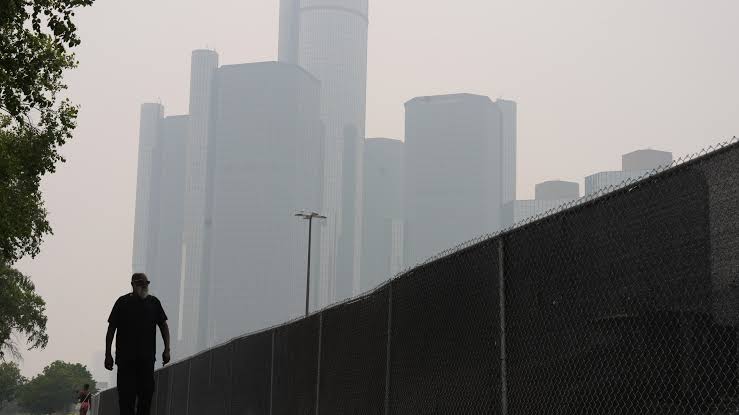
Residents in and around Detroit experienced alarmingly poor air quality as the Air Quality Index (AQI) climbed to hazardous levels, with readings approaching or exceeding 600 in some monitoring locations. Such values are considered extremely dangerous and fall well beyond the threshold at which everyone is at risk of severe health effects.
The deteriorating air quality was largely driven by smoke transported from large wildfires burning in parts of Canada. Strong atmospheric winds carried thick smoke across the international border, blanketing several Midwestern states with dense haze.
Health authorities urged residents to remain indoors, keep windows closed, use air filtration systems where possible, and avoid strenuous outdoor activities. Vulnerable groups—including children, older adults, pregnant women, and individuals with asthma or heart disease—were advised to take extra precautions as prolonged exposure to fine particulate matter can trigger respiratory and cardiovascular complications.
The smoky conditions also reduced visibility in several areas, disrupted outdoor activities, and prompted renewed discussions about the cross-border impacts of increasingly intense wildfire seasons.
Catastrophic Flooding Devastates Texas
While northern states struggled with polluted air, parts of Texas were battling catastrophic flooding triggered by intense and persistent rainfall. Rivers and streams rose rapidly, overwhelming drainage systems and inundating neighborhoods, highways, and agricultural land.
Emergency responders carried out numerous rescue operations as residents became trapped in floodwaters. Several communities experienced widespread property damage, while transportation networks were severely disrupted due to submerged roads and damaged infrastructure.
Authorities warned that even after rainfall subsided, dangerous flood conditions could continue because swollen rivers and saturated ground increase the risk of additional flooding. Residents in affected regions were advised to remain alert, avoid driving through flooded roads, and follow evacuation orders where necessary.
The disaster has once again highlighted the growing challenge of managing extreme rainfall events that are becoming more frequent and intense in many parts of the country. 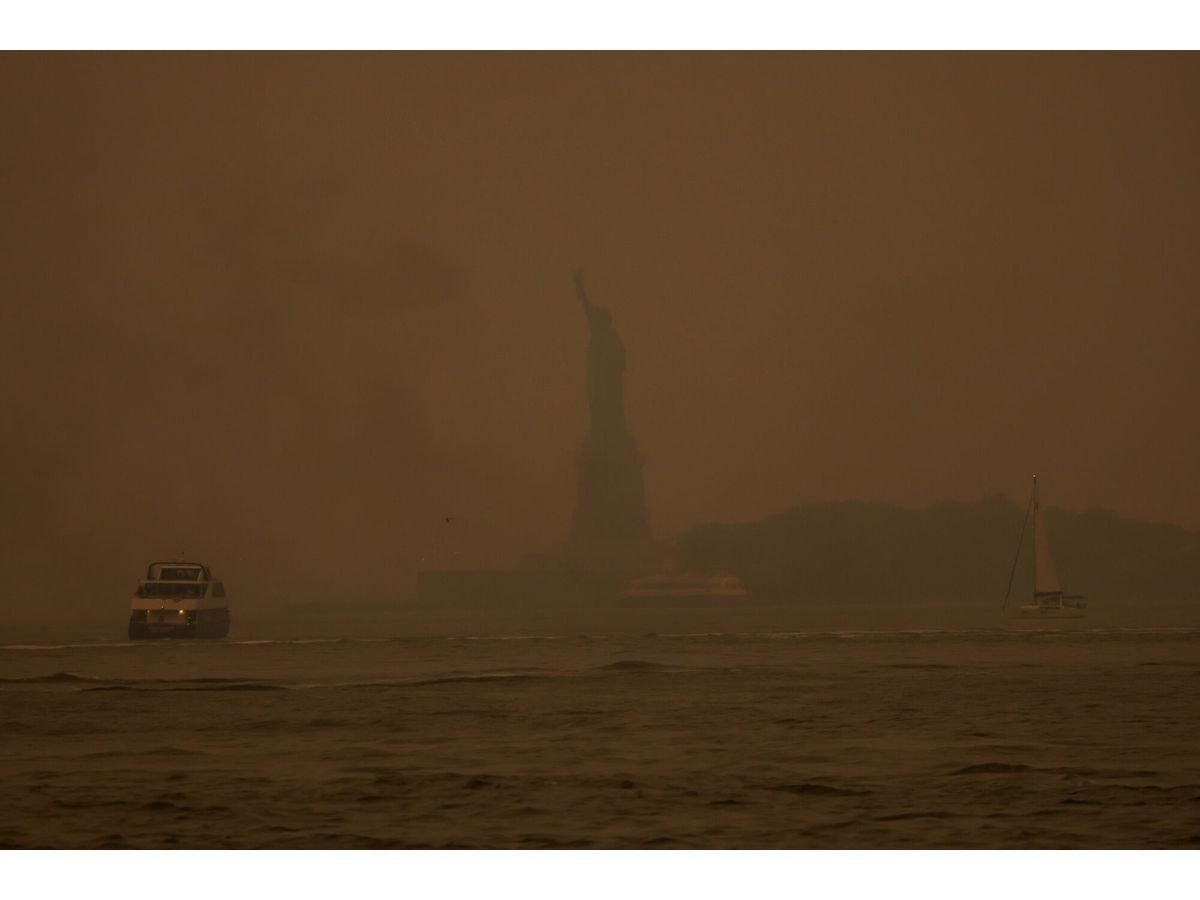
California Battles Expanding Wildfires
At the same time, firefighters in California continued battling multiple large vegetation fires fueled by scorching temperatures, dry vegetation, and gusty winds. These conditions allowed flames to spread rapidly, threatening homes, critical infrastructure, and natural habitats.
Thousands of residents in high-risk areas were placed under evacuation orders or evacuation warnings as emergency crews worked around the clock to contain the advancing fires. Aircraft, helicopters, bulldozers, and hundreds of firefighters were deployed to slow the spread of the blazes.
Extreme heat and prolonged drought have left vegetation exceptionally dry, creating ideal conditions for wildfire ignition and rapid expansion. Officials cautioned that changing weather patterns could further complicate firefighting efforts if strong winds return.
Beyond immediate fire damage, wildfire smoke has also contributed to worsening air quality across western and central parts of North America, affecting communities hundreds or even thousands of miles away.
How the Weather Events Are Connected
Although the air pollution, flooding, and wildfires appear to be separate disasters, climate scientists note that they are linked through broader atmospheric and environmental processes.
Warmer global temperatures increase the atmosphere’s ability to retain moisture, leading to heavier rainfall events capable of producing destructive floods. At the same time, prolonged heatwaves and drought conditions dry forests and grasslands, making them more susceptible to large wildfires.
Once wildfires ignite, smoke can travel vast distances through upper-level winds, affecting air quality far from the fire zone. This interconnected chain of events illustrates how one environmental crisis can create secondary impacts across multiple regions.
Health Risks Continue to Grow
Public health experts have emphasized that extreme weather events affect more than physical infrastructure. Exposure to wildfire smoke can aggravate asthma, chronic obstructive pulmonary disease, heart conditions, and other respiratory illnesses. Floodwaters may contain harmful contaminants, increasing the risk of waterborne diseases, while prolonged heat associated with wildfire conditions can lead to dehydration and heat-related illnesses.
Authorities continue advising residents to monitor official weather alerts, limit outdoor exposure when air quality is poor, prepare emergency kits, and follow evacuation instructions without delay when faced with flood or wildfire threats.
Climate Change Intensifies Weather Extremes
Scientists caution that while individual weather events cannot always be attributed solely to climate change, long-term warming trends are increasing the likelihood and severity of many extreme weather phenomena.
Rising temperatures contribute to more intense heatwaves, longer wildfire seasons, heavier downpours, and greater variability in weather patterns. These changes are placing increasing pressure on emergency services, infrastructure, healthcare systems, and local communities.
The simultaneous crises unfolding across the United States serve as another reminder that climate resilience, disaster preparedness, and improved environmental management are becoming increasingly important as extreme weather events continue to challenge communities across the nation.
Looking Ahead
Meteorologists expect changing weather conditions over the coming days, but officials warn that risks remain elevated in many regions. Firefighters continue working to contain active wildfires, emergency crews remain engaged in flood recovery operations, and health agencies are closely monitoring air quality conditions.
As communities respond to these overlapping emergencies, authorities continue urging the public to stay informed, follow safety guidance, and remain prepared for rapidly changing weather conditions.