
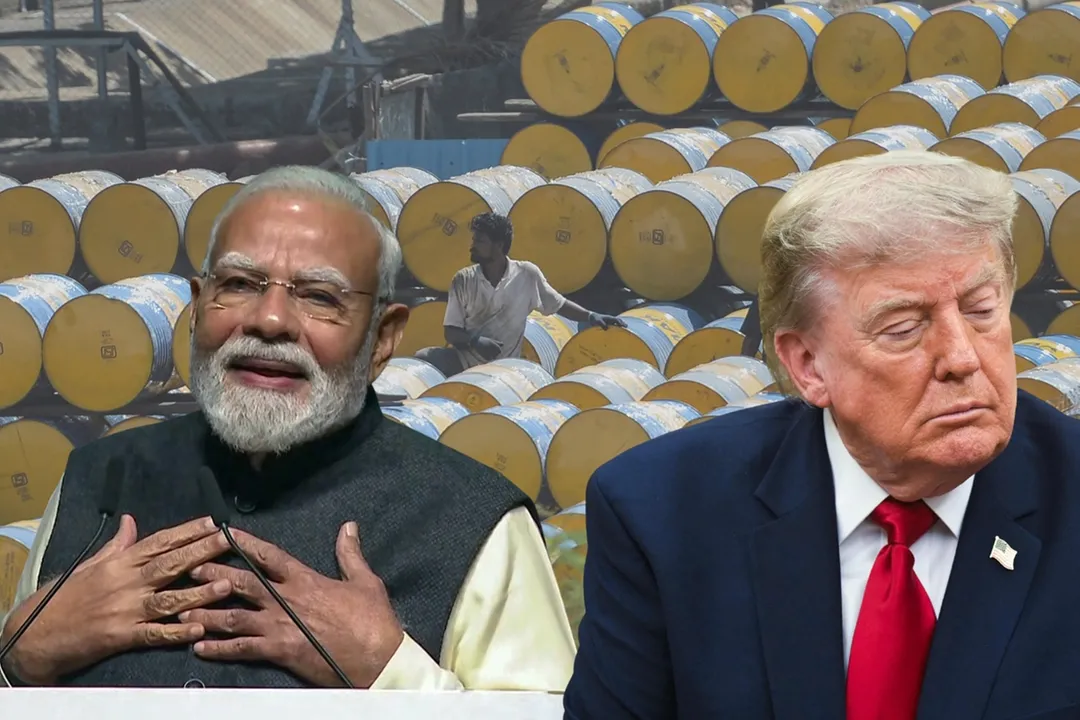
A bipartisan group of 60 United States senators has expressed support for a proposed legislation that seeks to impose sweeping tariffs of up to 100% on imports from countries that continue purchasing Russian oil and other energy products. The move, if enacted, could significantly affect global trade relationships and place additional economic pressure on nations such as India and China, which remain among the largest buyers of discounted Russian crude.
The proposed legislation reflects growing concern among American lawmakers over continued international purchases of Russian energy despite ongoing sanctions imposed on Moscow following the conflict in Ukraine. Supporters of the bill argue that revenues generated from oil exports continue to strengthen Russia’s economy and finance its military operations.
Bipartisan Support Signals Strong Political Backing
The bill has received support from lawmakers belonging to both major political parties in the United States, highlighting a rare bipartisan consensus on increasing economic pressure against Russia. With 60 senators backing the proposal, the legislation has gained significant political momentum in the Senate.
According to supporters, countries purchasing Russian oil indirectly contribute to sustaining Russia’s financial resources. They argue that imposing steep tariffs on imports from such nations would discourage continued energy trade with Moscow and reinforce international sanctions.
The proposal remains part of the legislative process and must pass both chambers of the US Congress before reaching the President for approval.
India Among Countries That Could Be Affected
India has substantially increased its imports of Russian crude oil since Western sanctions altered global energy markets. Discounted prices offered by Russian suppliers have enabled Indian refiners to secure affordable crude, helping stabilize domestic fuel supplies while supporting the country’s growing energy demand.
Indian officials have consistently defended these purchases by stating that the country’s energy security remains a top priority. They have maintained that India sources crude oil from multiple international suppliers based on commercial considerations and national economic interests.
Should the proposed legislation become law, Indian exports to the United States could face significantly higher tariffs if Washington determines that continued purchases of Russian oil fall within the scope of the measure. 
Economic and Trade Implications
Trade experts believe the legislation could have wide-ranging consequences beyond India. Countries maintaining commercial energy ties with Russia may need to reassess their import strategies to avoid potential trade penalties.
Higher tariffs could affect several sectors involved in exports to the United States, increasing costs for businesses and potentially influencing global supply chains. Economists note that such measures could also create diplomatic challenges between the United States and key strategic partners.
The proposal highlights the increasingly complex balance between geopolitical objectives and national energy requirements, particularly for developing economies that rely heavily on imported crude oil.
Pressure on Russia Through Economic Measures
Supporters of the legislation argue that reducing international demand for Russian energy is essential to limiting Moscow’s financial capacity. They believe stronger trade restrictions would complement existing sanctions and encourage more countries to diversify their energy imports.
The proposal represents one of the strongest tariff measures discussed by US lawmakers in recent months. If implemented, it would mark a significant escalation in Washington’s economic strategy aimed at isolating Russia.
India’s Strategic Position
India has repeatedly emphasized that its foreign policy decisions are guided by national interests and that energy procurement is based on affordability, availability, and market conditions. The country has continued to maintain balanced diplomatic relations with multiple global partners while ensuring stable fuel supplies for its expanding economy.
Officials have also pointed out that India’s share of global energy consumption continues to rise, making access to competitively priced crude oil essential for sustaining economic growth and protecting consumers from volatile international prices.
What Happens Next
Although the bill has secured backing from a substantial number of senators, it is yet to complete the legislative process. It must receive approval from both the Senate and the House of Representatives before being sent to the President for consideration.
If enacted, the legislation could reshape international trade dynamics, influence global energy markets, and introduce new challenges for countries maintaining energy partnerships with Russia. The outcome will be closely watched by governments, businesses, and global investors as they assess the potential impact on international commerce and diplomatic relations.