
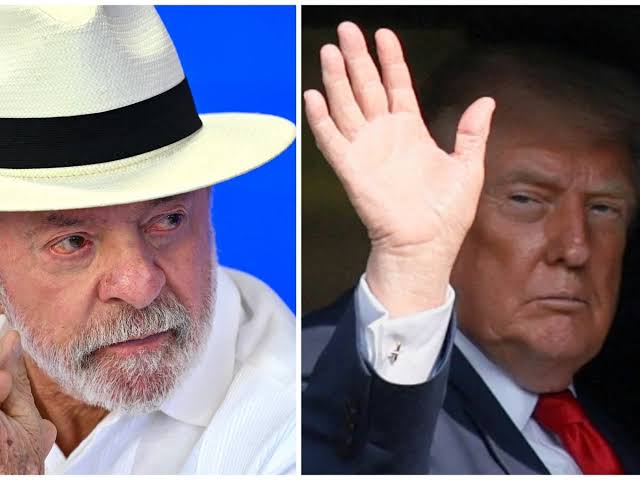
The United States has announced that it will impose a 25% tariff on a broad range of imports from Brazil beginning July 22, marking a significant escalation in trade tensions between the two nations. The decision represents one of the most serious economic measures taken by Washington against Brazil in recent years and is expected to affect trade flows, businesses, and investors on both sides.
The new tariff comes amid growing disagreements over trade practices, political issues, and broader diplomatic concerns. Analysts believe the move could strain bilateral relations and create uncertainty for industries that rely heavily on cross-border commerce.
Why the United States Is Imposing the Tariff
According to US officials, the tariff is part of a broader effort to address what Washington considers unfair trade practices and policy disagreements involving Brazil. The administration argues that stronger trade measures are necessary to protect American industries and ensure a more balanced trading relationship.
The decision follows months of increasing friction between the two countries over economic policies and diplomatic disagreements. While trade has remained an important pillar of the bilateral relationship, recent developments have highlighted growing differences on several key issues.
Officials indicated that the tariff is intended to encourage negotiations while sending a clear message that the United States is prepared to use trade measures when it believes its economic interests are at risk.
Tariff to Take Effect on July 22
The 25% tariff is scheduled to come into force on July 22 unless both governments reach an agreement before the deadline. Businesses importing Brazilian products into the United States are now assessing the potential financial impact of the new duties.
Importers may face significantly higher costs, forcing many companies to reconsider pricing strategies, supply chains, and sourcing decisions. Industries dependent on Brazilian raw materials or manufactured goods could experience increased operational expenses if the tariffs remain in place for an extended period.
Trade experts note that even temporary tariffs can disrupt long-established commercial relationships and influence future investment decisions. 
Potential Economic Consequences
Brazil is one of the largest economies in Latin America and maintains substantial trade ties with the United States. The introduction of higher import duties could affect several sectors, including agriculture, manufacturing, metals, and industrial products.
Brazilian exporters may experience reduced competitiveness in the American market as higher tariffs increase the cost of their products for US buyers. At the same time, American businesses that rely on Brazilian imports could face increased production costs, potentially leading to higher prices for consumers.
Economists warn that prolonged trade disputes often produce unintended consequences, affecting businesses and workers in both countries rather than benefiting only one side.
Brazil’s Possible Response
Brazilian authorities are expected to evaluate the US decision carefully before announcing their next steps. The government could pursue diplomatic negotiations aimed at resolving the dispute or consider responding with trade measures of its own if discussions fail to produce a compromise.
Trade analysts believe Brazil will likely seek dialogue before taking retaliatory action, as maintaining stable commercial relations with the United States remains economically important.
Any retaliatory measures could further escalate tensions and widen the dispute, affecting additional industries and increasing uncertainty in international markets.
Impact on Global Trade
The announcement comes at a time when global trade continues to face challenges from geopolitical tensions, inflation, and shifting supply chains. Another major trade dispute involving two significant economies could add to market volatility and influence investor confidence.
Financial markets often react cautiously to new tariff announcements because they can alter international trade patterns, reduce business confidence, and increase uncertainty regarding future economic growth.
Experts say the outcome of negotiations between Washington and Brasília will be closely watched by governments, multinational companies, and investors around the world.
Businesses Prepare for Higher Costs
Companies engaged in importing Brazilian goods are already reviewing contracts and inventory strategies ahead of the July 22 implementation date. Some firms may attempt to accelerate shipments before the tariff takes effect, while others may begin exploring alternative suppliers.
Exporters in Brazil are also evaluating how the higher duties could affect demand in one of their key overseas markets. Industry groups are expected to urge both governments to continue discussions in an effort to avoid prolonged disruptions.
Outlook
With the July 22 deadline approaching, attention is now focused on whether diplomatic negotiations can ease tensions before the tariffs become effective. While both countries have strong economic incentives to maintain stable trade relations, the latest announcement underscores the growing challenges facing international commerce amid rising geopolitical and economic disagreements.
If no agreement is reached, the new tariffs could reshape portions of US-Brazil trade, increase costs for businesses, and add another layer of uncertainty to the global economic landscape.