
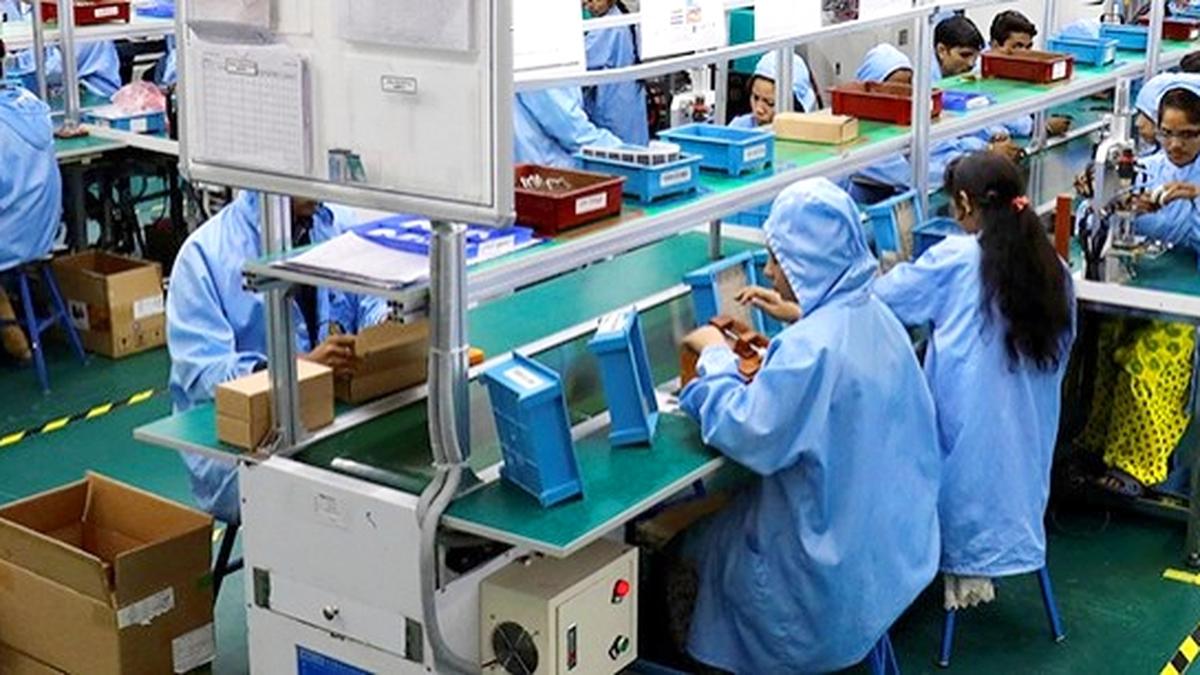
In a major push to strengthen India’s position as a global electronics manufacturing hub, the Union Cabinet has approved a comprehensive incentive package worth ₹62,500 crore aimed at expanding domestic mobile phone manufacturing and developing a stronger electronics supply chain. The decision marks another significant step in the government’s long-term strategy to increase local production, attract global investments, generate employment, and reduce dependence on imported electronic components.
The newly approved initiative is expected to accelerate the growth of India’s electronics manufacturing sector by encouraging companies to establish or expand production facilities within the country. The scheme also focuses on improving the domestic ecosystem for key electronic components, making India more competitive in global manufacturing and exports.
Strengthening Domestic Manufacturing
The approved financial package is designed to provide targeted incentives for manufacturers engaged in producing mobile phones and related electronic components. While India has witnessed rapid growth in smartphone assembly over the past few years, policymakers have identified the need to deepen domestic value addition by increasing the production of critical components locally.
The government believes that encouraging local manufacturing will reduce reliance on imports, strengthen supply chains, and improve India’s ability to compete with established global manufacturing centres.
Officials expect the scheme to create a more resilient manufacturing ecosystem capable of supporting both domestic demand and international exports.
Expanding the Electronics Supply Chain
One of the primary objectives of the initiative is to encourage investments across the electronics supply chain rather than focusing solely on the final assembly of smartphones.
The scheme is expected to promote manufacturing of several essential components used in mobile devices, including:
- Printed circuit board assemblies (PCBAs)
- Camera modules
- Display-related components
- Battery systems
- Mechanical parts
- Connectors
- Other high-value electronic components
Increasing domestic production of these components is expected to enhance value addition within India while reducing import dependence.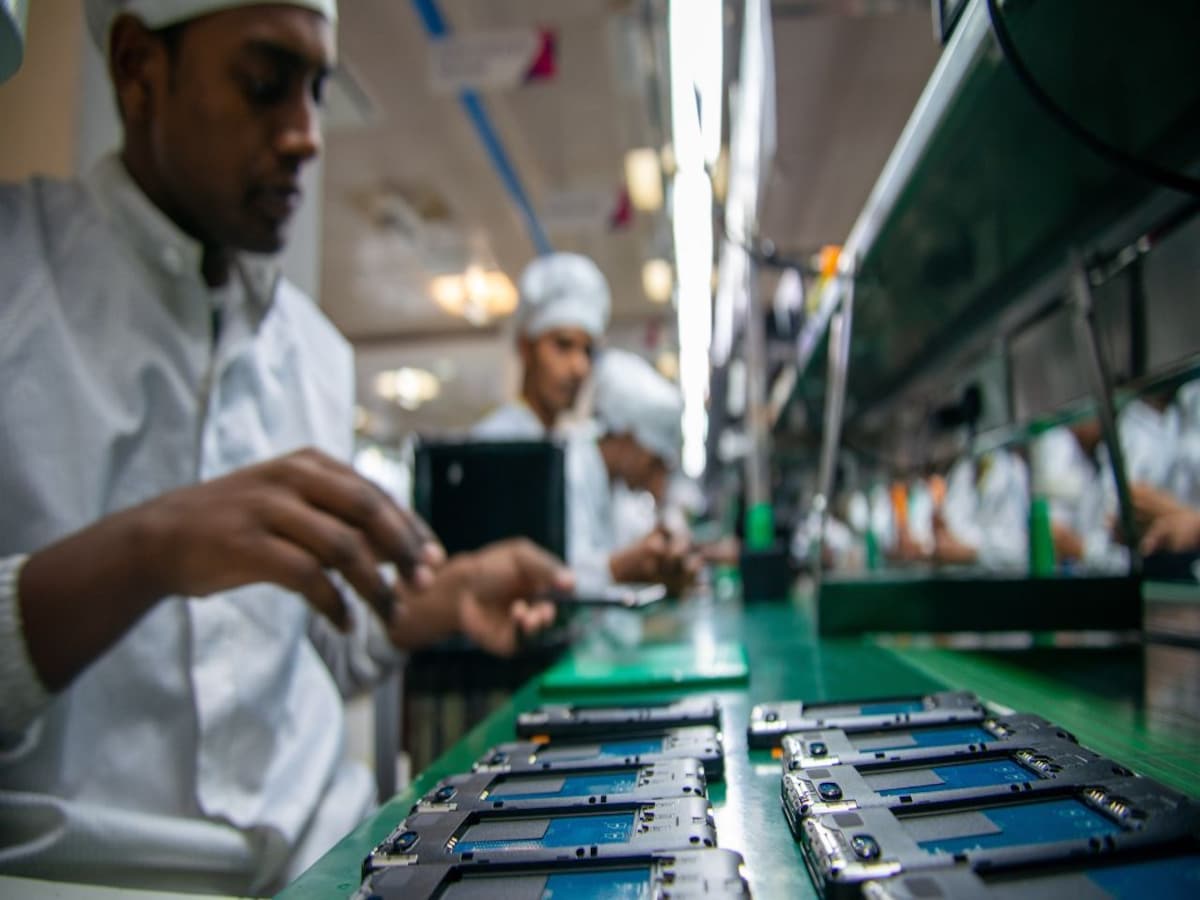
Boost to Employment Generation
The large-scale investment is also expected to create substantial employment opportunities across multiple segments of the electronics industry.
Apart from direct jobs in manufacturing plants, the initiative is likely to generate indirect employment in logistics, packaging, transportation, engineering services, maintenance, research and development, quality control, and component manufacturing.
The expansion of electronics manufacturing clusters could also support the growth of ancillary industries and small and medium enterprises supplying parts and services.
Enhancing India’s Export Competitiveness
India has emerged as one of the world’s fastest-growing smartphone manufacturing destinations over the past decade. Several global manufacturers have expanded their production capacity in the country, contributing significantly to electronics exports.
The newly approved scheme aims to build on this momentum by encouraging companies to manufacture higher-value products and components domestically.
With improved manufacturing capabilities and a stronger component ecosystem, India is expected to increase exports of mobile phones and electronic products to global markets, enhancing its position in international supply chains.
Supporting the Make in India Vision
The initiative aligns closely with the government’s broader industrial development programmes, including efforts to transform India into a global manufacturing destination.
By offering financial incentives and policy support, the government seeks to attract fresh domestic and foreign investments while promoting innovation, technology transfer, and skill development.
The scheme complements ongoing initiatives focused on electronics manufacturing, semiconductor development, and advanced technology production, creating an integrated ecosystem for high-tech industries.
Reducing Import Dependence
A key policy objective behind the programme is to reduce India’s dependence on imported electronic components, which currently account for a significant portion of manufacturing costs.
Developing domestic production capabilities for critical components is expected to:
- Improve supply chain resilience.
- Lower production costs over time.
- Increase domestic value addition.
- Enhance technological capabilities.
- Improve India’s trade balance in electronics.
Industry experts believe that stronger local manufacturing capacity will help Indian manufacturers respond more effectively to fluctuations in global supply chains.
Encouraging Long-Term Investment
The incentive package is expected to encourage long-term capital investment from both Indian and international manufacturers.
Companies investing in advanced production facilities, automation, research, and component manufacturing could benefit from the government’s support while expanding their operations in India.
Industry observers believe the initiative may also encourage global technology firms to diversify manufacturing beyond traditional production centres and increase their presence in India.
Strategic Importance for the Economy
Electronics manufacturing has become one of India’s fastest-growing industrial sectors and is increasingly viewed as a strategic pillar of economic development.
By expanding domestic production capacity, the government aims to strengthen industrial competitiveness, improve export performance, create skilled employment, and position India as a preferred destination for global electronics manufacturing.
The ₹62,500 crore initiative is expected to play a significant role in achieving these objectives while supporting sustained growth in the country’s technology and manufacturing sectors.
Looking Ahead
With the Cabinet’s approval, the implementation phase will focus on attracting eligible manufacturers, encouraging investments across the electronics value chain, and building a stronger ecosystem for mobile phone production.
If executed effectively, the scheme could significantly enhance India’s manufacturing capabilities, increase exports, generate large-scale employment, and strengthen the country’s role in the global electronics industry for years to come.