
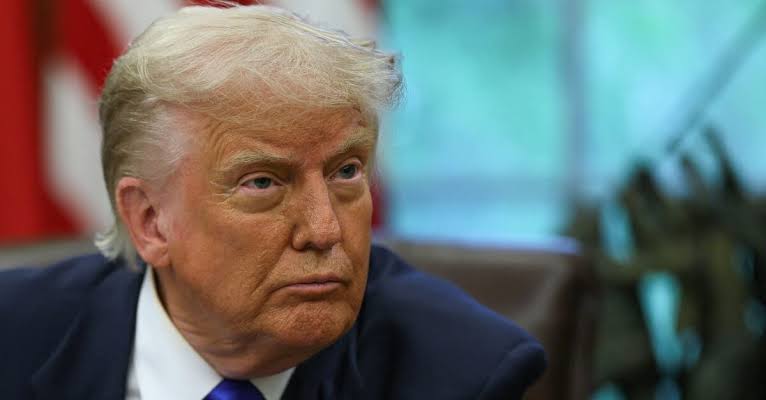
A newly proposed sanctions bill backed by US President Donald Trump is expected to significantly strengthen economic pressure on Russia while introducing a more measured approach toward countries such as India and China. The legislation, championed by Senator Lindsey Graham, represents an effort to intensify penalties on Moscow over the ongoing conflict in Ukraine without placing unnecessary strain on nations maintaining economic ties with Russia.
The proposal reflects a strategic shift in Washington’s approach, balancing the objective of isolating Russia with the practical realities of global trade and international diplomacy.
Targeting Russia Through Stronger Economic Measures
The legislation is designed to increase financial and economic pressure on Russia by expanding sanctions against sectors that contribute to its economy. Lawmakers supporting the bill argue that stronger sanctions remain one of the most effective tools available to weaken Russia’s ability to sustain its military operations.
The proposed measures seek to discourage international business dealings that indirectly support the Russian economy while reinforcing the United States’ commitment to backing Ukraine and its allies.
Supporters believe the legislation would send a clear message that countries and companies facilitating Russian economic activity could face serious consequences.
Modified Approach Toward India and China
One of the most significant changes in the latest version of the bill is its revised treatment of India and China, two of Russia’s largest trading partners.
Earlier discussions surrounding sanctions had raised concerns that broad tariff provisions could have negatively affected major economies continuing to purchase Russian energy and other commodities. However, the revised proposal introduces greater flexibility, reducing the likelihood of automatic tariff penalties on these countries.
The adjustment reflects growing recognition that many nations have maintained commercial relationships with Russia due to energy security, domestic economic requirements, and long-term trade commitments.
By softening the tariff provisions, lawmakers aim to preserve diplomatic engagement with key international partners while maintaining pressure on Moscow itself. 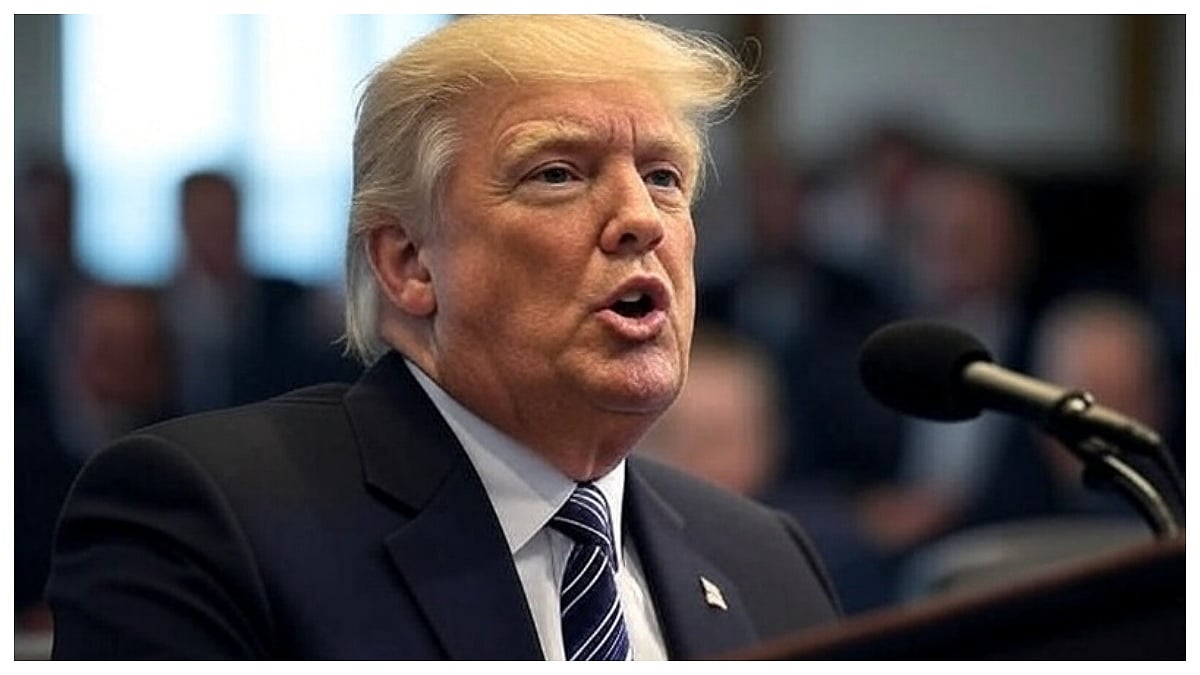
Lindsey Graham Leads Push for Bipartisan Support
Senator Lindsey Graham has emerged as one of the strongest advocates of the legislation, arguing that the United States must continue increasing economic costs for Russia.
According to supporters, the revised proposal is intended to attract broader bipartisan backing by focusing sanctions more directly on Russia rather than imposing sweeping trade penalties on countries whose economic circumstances differ significantly.
The bill is expected to undergo further debate as lawmakers evaluate its potential economic and diplomatic implications.
Balancing Strategic Interests
The proposal reflects the complex challenge facing US policymakers. While Washington remains committed to limiting Russia’s financial resources, it must also consider its strategic partnerships with countries such as India, which has become an increasingly important security and economic partner in the Indo-Pacific region.
China also remains a major player in global trade, making any broad tariff policy capable of producing far-reaching consequences for international markets and supply chains.
The revised legislation attempts to strike a balance by preserving leverage against Russia while avoiding unnecessary disruption to relationships with influential global economies.
Potential Impact on Global Trade
If enacted, the sanctions package could influence international trade patterns, energy markets, and diplomatic negotiations.
Businesses engaged in cross-border trade may closely monitor the legislation to assess whether new compliance requirements or financial restrictions could affect their operations. Financial institutions, energy companies, and multinational corporations with exposure to Russian markets are also expected to evaluate the potential impact of expanded sanctions.
For India and China, the softened tariff provisions may reduce immediate concerns about punitive trade measures while allowing continued diplomatic discussions with the United States.
What Comes Next
The bill must move through the legislative process before becoming law. Lawmakers are expected to continue negotiations over the scope of sanctions, enforcement mechanisms, and the treatment of countries maintaining economic ties with Russia.
As debate continues, the proposal underscores the evolving nature of US foreign policy, where economic sanctions remain a central tool for responding to geopolitical conflicts while balancing broader international relationships.
If approved, the legislation could become one of the most significant US sanctions initiatives aimed at Russia in recent years, reinforcing Washington’s efforts to increase pressure on Moscow while carefully managing its partnerships with major global economies.