
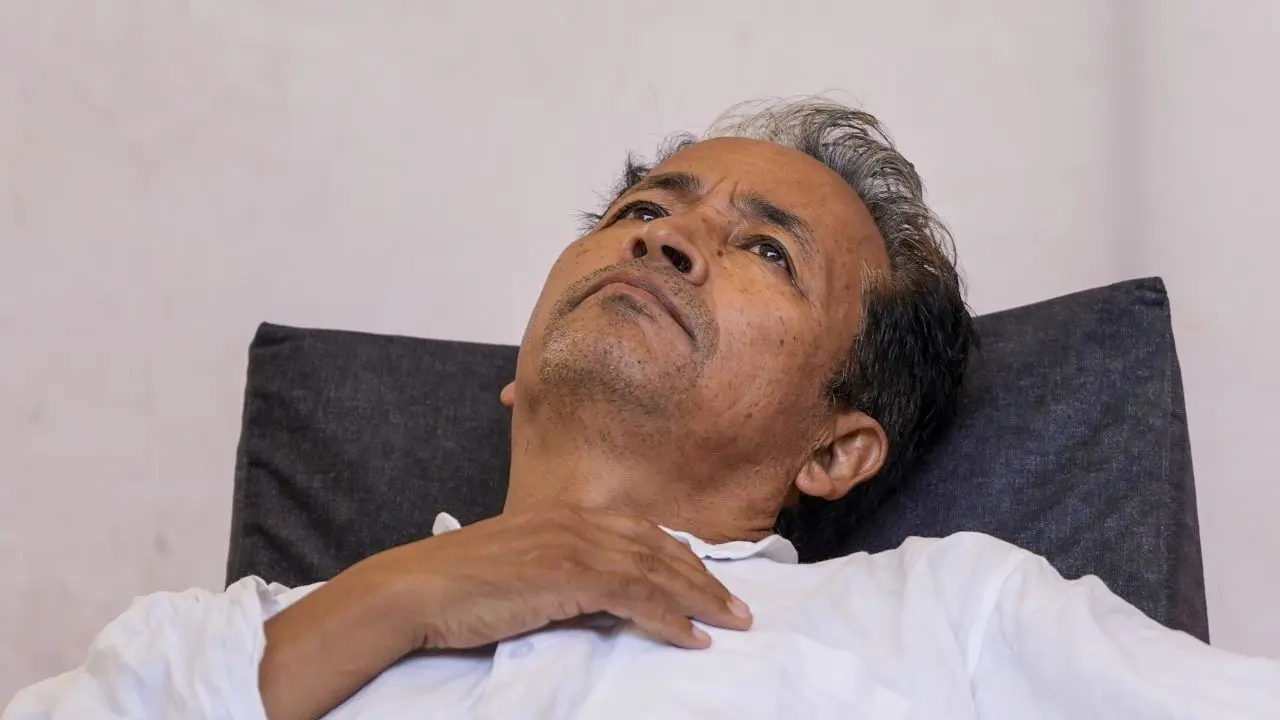
The Delhi High Court has taken up an urgent plea seeking immediate medical intervention for climate activist and education reformer Sonam Wangchuk, who is currently on an indefinite hunger strike in the national capital. The petition raises serious concerns about Wangchuk’s deteriorating health and requests the court to direct authorities to ensure that he receives essential medical care, including liquid nutrition and hospitalization if required.
According to the plea, Wangchuk has been fasting as part of a peaceful protest to press for demands related to Ladakh. The petition argues that his prolonged refusal to consume food has significantly increased the risk to his health and life, making urgent medical attention necessary.
The matter was brought before the Delhi High Court with the petitioner seeking directions for authorities to monitor Wangchuk’s medical condition regularly and, if his health continues to decline, to provide appropriate treatment. The plea also requests permission for doctors to administer liquid nutrition and other life-saving medical support while respecting legal and constitutional safeguards.
Concerns Over Health Condition
The petition emphasizes that an extended hunger strike can result in severe medical complications, including dehydration, electrolyte imbalance, organ failure, and other life-threatening conditions. It argues that authorities have a responsibility to protect the life of any individual, even when the person is voluntarily participating in a protest.
Medical monitoring, according to the plea, should be conducted by qualified healthcare professionals who can assess Wangchuk’s condition and determine whether hospitalization becomes medically necessary. The petition also seeks continuous observation to ensure that any sudden deterioration is addressed without delay.
The legal filing states that preserving life should remain the highest priority while balancing an individual’s right to peaceful protest with the state’s obligation to safeguard public health.
Background of the Protest
Sonam Wangchuk has been leading a campaign highlighting concerns related to Ladakh’s future, environmental protection, and constitutional safeguards for the region. His movement has attracted widespread attention from environmental activists, civil society organizations, students, and supporters from across the country.
The hunger strike forms part of a broader campaign urging the government to address long-standing demands concerning Ladakh’s governance, ecological preservation, and greater constitutional protections. Wangchuk has consistently maintained that the movement is peaceful and aims to draw attention to issues affecting the Himalayan region.
Supporters have continued to gather in solidarity with the activist, expressing concern over his health as the fast continues. Several social organizations have appealed to the government to engage in dialogue and find a constructive resolution to the issues being raised. 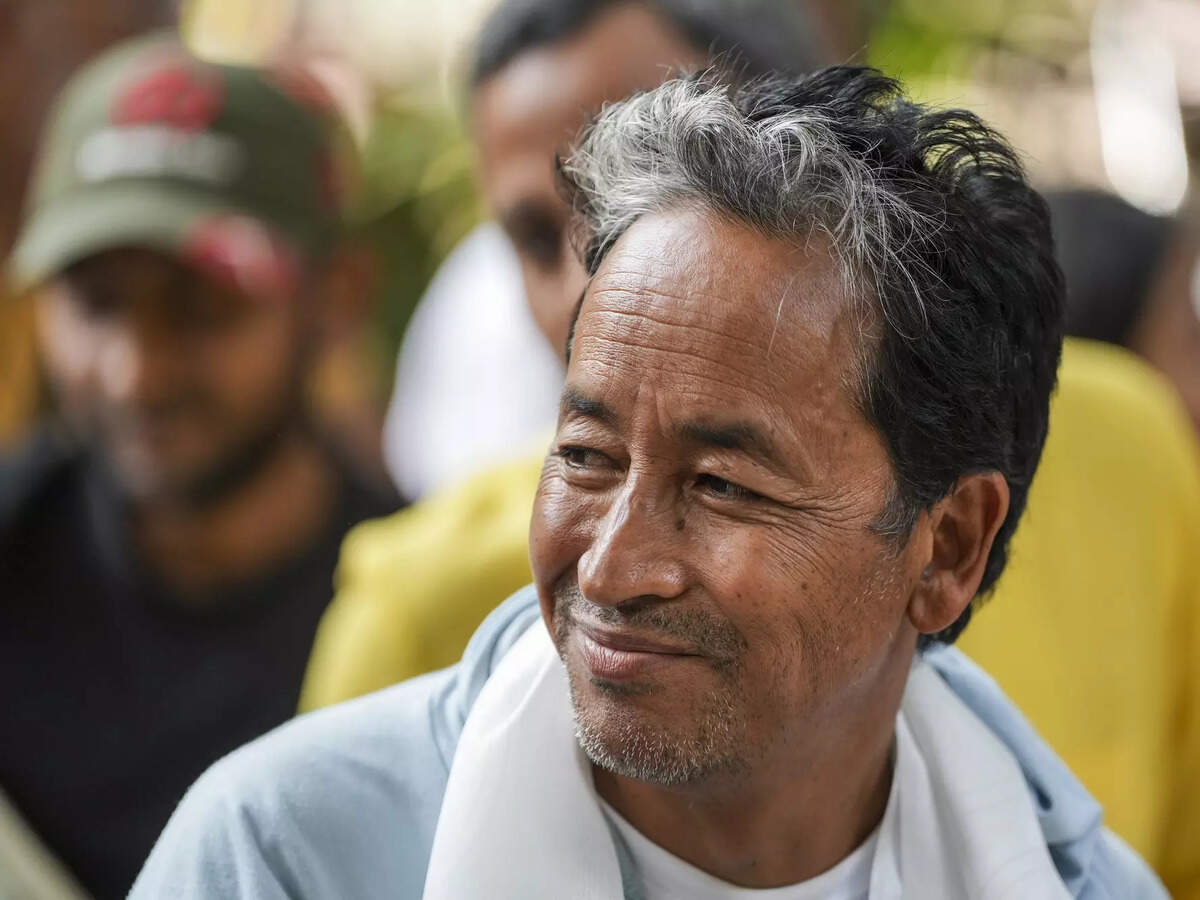
Arguments Presented Before the Court
The petition submitted before the High Court contends that authorities cannot remain passive if a person’s life is at imminent risk due to prolonged fasting. It argues that constitutional protections relating to the right to life require state agencies to take reasonable steps to prevent irreversible medical harm.
Among the key requests made in the plea are:
- Immediate and regular medical examinations of Sonam Wangchuk.
- Administration of liquid nutrition if doctors consider it medically necessary.
- Hospitalization in the event of a serious decline in his health.
- Continuous monitoring by qualified medical professionals.
- Appropriate directions to authorities to ensure timely healthcare without unnecessary delay.
The petition also raises concerns over balancing individual autonomy with the state’s responsibility to preserve life, a question that has arisen in previous cases involving prolonged hunger strikes.
Legal and Constitutional Dimensions
The case brings into focus the complex legal debate surrounding hunger strikes in India. Courts have, on several occasions, examined whether authorities should intervene medically when a fasting protester faces a life-threatening condition.
While peaceful protest is recognized as a democratic right, courts have also acknowledged the state’s duty to protect life under constitutional principles. The present case may therefore involve consideration of both individual liberty and the government’s obligation to ensure access to emergency medical treatment.
Legal experts note that any court directions would likely seek to strike a balance between respecting Wangchuk’s personal choices and ensuring that preventable loss of life is avoided.
Awaiting the Court’s Decision
The Delhi High Court is expected to consider the submissions made by the petitioner along with the responses of the concerned authorities before issuing any directions. The outcome could determine whether medical intervention, including hospitalization or supervised liquid nutrition, becomes necessary during Wangchuk’s ongoing fast.
As the hearing progresses, attention remains focused on both Wangchuk’s health and the broader issues connected to his protest, with supporters continuing to call for dialogue and a peaceful resolution.