
China’s economy expanded by 4.3% in the latest quarter, reflecting resilience in manufacturing and exports despite increasing pressure from domestic economic weaknesses. While the headline growth figure appears encouraging, it has also highlighted a series of structural problems that continue to concern policymakers in Beijing.
The country’s economy remains under pressure from sluggish consumer demand, a prolonged real estate downturn, deflationary trends, and declining private sector confidence. These challenges have complicated the government’s efforts to maintain stable growth while steering the world’s second-largest economy toward a more sustainable recovery.
Growth Driven by Manufacturing and Exports
China’s latest economic expansion was largely supported by a strong manufacturing sector and robust export performance. Overseas demand for Chinese products, particularly in sectors such as electronics, electric vehicles, batteries, and renewable energy equipment, helped offset weakness in domestic consumption.
Industrial production remained relatively strong as factories continued to increase output, benefiting from competitive pricing and expanding global demand in several export-oriented industries. Government support for advanced manufacturing also contributed to stronger industrial activity.
However, economists note that export-led growth alone cannot ensure long-term economic stability if domestic demand continues to weaken.
Weak Consumer Spending Remains a Major Concern
One of the biggest challenges facing China’s economy is subdued household spending. Consumers remain cautious due to uncertain employment prospects, slower income growth, and concerns over falling property values.
Retail sales have improved only modestly compared with previous years, indicating that families are prioritizing savings instead of increasing discretionary spending. Consumer confidence has yet to recover fully following several years of economic disruptions.
Officials have repeatedly emphasized the importance of boosting domestic consumption to create a more balanced and sustainable growth model. However, restoring household confidence remains a difficult task. 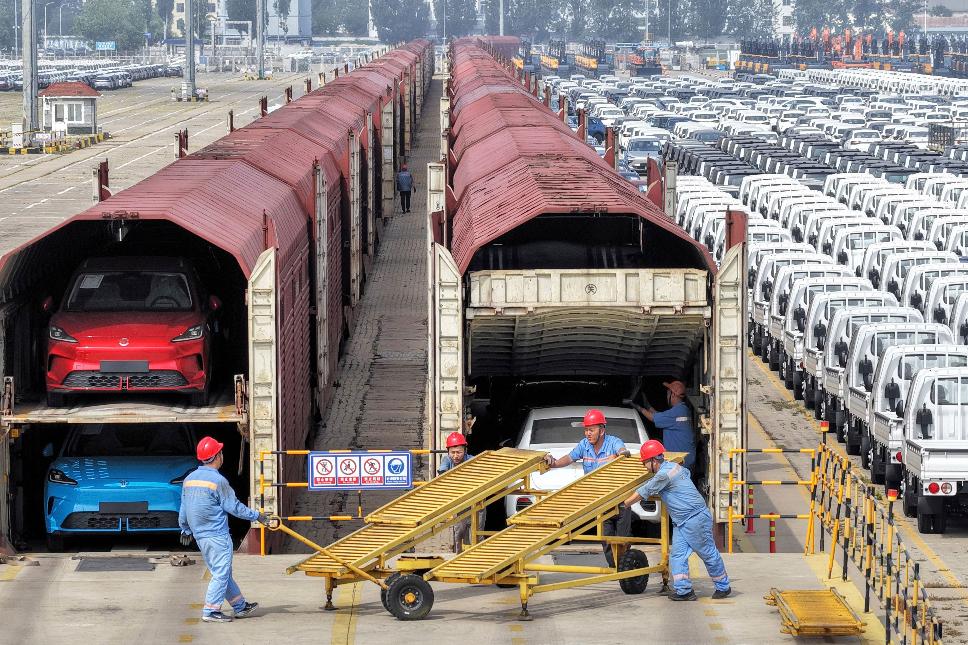
Property Market Continues to Weigh on the Economy
China’s property sector continues to be one of the country’s biggest economic vulnerabilities. Once a major driver of economic growth, the real estate industry has experienced declining home sales, falling prices, unfinished housing projects, and financial distress among several developers.
The prolonged slowdown has affected not only construction companies but also local governments that depend heavily on land sales for revenue. Falling property investment has also reduced demand across related industries, including steel, cement, home furnishings, and construction materials.
Although authorities have introduced multiple measures to stabilize the housing market, the sector has yet to show signs of a sustained recovery.
Deflation Adds Another Layer of Difficulty
Another growing concern is the persistence of deflationary pressure. Falling prices may appear beneficial for consumers in the short term, but prolonged deflation can discourage spending and business investment.
When consumers expect prices to decline further, they often postpone purchases, reducing overall economic activity. Businesses facing lower prices may experience shrinking profits, limiting their willingness to invest or hire additional workers.
Chinese policymakers are closely monitoring inflation trends while attempting to stimulate demand without creating excessive financial risks.
Government Faces Complex Policy Choices
The government now faces the challenge of balancing economic stimulus with financial stability. Large-scale stimulus measures could support growth but may also increase debt levels, particularly among local governments already under financial strain.
Officials have instead focused on targeted policy measures, including support for technology industries, infrastructure investment, manufacturing upgrades, and selective assistance for the housing market.
Analysts believe future policy decisions will likely depend on whether domestic demand shows stronger signs of recovery during the coming months.
Employment and Private Investment Need Improvement
Youth unemployment and weaker private investment continue to affect China’s long-term growth outlook. Many private businesses remain cautious about expanding operations amid uncertain economic conditions.
Improving employment opportunities, encouraging entrepreneurship, and rebuilding investor confidence are viewed as essential steps toward strengthening domestic economic momentum.
Greater policy clarity and reforms aimed at improving the business environment may help attract additional private investment over the longer term.
Global Implications
As the world’s second-largest economy, China’s economic performance has significant implications for global trade, financial markets, and commodity demand.
Countries that rely heavily on exports to China or depend on Chinese manufacturing supply chains closely monitor developments in the country’s economy. A prolonged slowdown could affect global growth, while a stronger recovery could support international trade and investment.
Investors worldwide also pay close attention to China’s policy announcements, as changes in monetary or fiscal policy often influence global market sentiment.
Outlook
Although China’s latest GDP growth demonstrates that the economy continues to expand, underlying structural weaknesses remain significant. Strong exports and manufacturing have helped sustain growth, but weak consumer spending, ongoing property market stress, and persistent deflation continue to pose serious challenges.
The government’s ability to stimulate domestic demand, restore confidence, and implement effective structural reforms will play a crucial role in determining whether China’s economic recovery becomes broader and more sustainable in the months ahead.