
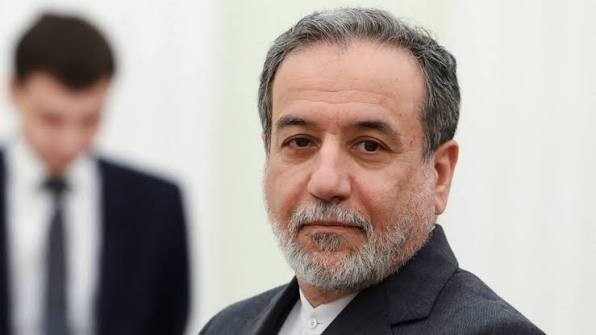
Iran has reacted sharply yet cautiously to former US President Donald Trump’s reported proposal to impose a 20% charge on vessels passing through the Strait of Hormuz, stating that if such a system were ever implemented, it would be applied “fairly” to all countries without discrimination. The response comes amid renewed tensions between Washington and Tehran and has sparked fresh debate over one of the world’s most strategically important maritime routes.
The Strait of Hormuz serves as a vital gateway for global energy supplies, with a significant portion of the world’s crude oil and liquefied natural gas shipments passing through the narrow waterway every day. Any proposal affecting maritime transit through the region is closely monitored by governments, energy markets, and international shipping companies because of its potential impact on global trade and fuel prices.
Trump’s Proposal Triggers International Attention
Donald Trump reportedly suggested introducing a 20% charge for ships using the Strait of Hormuz, arguing that the United States has long borne the cost of protecting international shipping routes in the region. The proposal quickly attracted worldwide attention, raising questions about its legality, implementation, and possible economic consequences.
The suggestion also revived discussions about the long-standing US military presence in the Persian Gulf, where American naval forces have conducted operations aimed at ensuring freedom of navigation and safeguarding commercial shipping from regional threats.
While the proposal has not been adopted as official policy, it has generated strong reactions from multiple stakeholders, including Iran, which borders the strategically significant waterway.
Iran Says Any Charges Would Be Applied Equally
Responding to the proposal, Iranian officials remarked that if a toll system were ever introduced for ships using the Strait of Hormuz, it would be administered fairly and equally for all countries rather than targeting any specific nation.
The remarks appeared to challenge Trump’s suggestion while emphasizing Iran’s position that international maritime regulations should not discriminate against individual states or shipping companies. Iranian authorities maintained that the strategic passage should continue to function under established international norms governing navigation.
The statement also reflected Tehran’s broader argument that maritime routes should remain accessible under internationally recognized principles rather than becoming instruments of political or economic pressure. 
Strategic Importance of the Strait of Hormuz
The Strait of Hormuz is regarded as one of the world’s most critical maritime chokepoints. Located between Iran and Oman, it connects the Persian Gulf with the Gulf of Oman and the Arabian Sea.
Every day, millions of barrels of crude oil and petroleum products move through the narrow channel toward major importing nations across Asia, Europe, and other parts of the world. Countries including Saudi Arabia, Iraq, Kuwait, the United Arab Emirates, and Qatar rely heavily on the route for energy exports.
Because of its importance to global energy markets, even discussions about possible restrictions, tolls, or military confrontations in the area often lead to volatility in oil prices and increased concern among investors and shipping operators.
Legal and Economic Questions
Experts note that imposing unilateral charges on international shipping through the Strait of Hormuz would raise significant legal and diplomatic questions. Maritime navigation is governed by international conventions and customary international law, making any attempt to introduce mandatory transit fees highly complex.
Shipping companies would also face additional operational costs if such measures were implemented, potentially increasing transportation expenses that could ultimately affect global energy prices and consumer markets.
Analysts suggest that any disruption or uncertainty surrounding the Strait of Hormuz has the potential to influence insurance premiums, freight costs, and international supply chains, particularly for energy-importing economies.
US-Iran Relations Remain Strained
The latest exchange reflects the continuing strain in relations between the United States and Iran, which have experienced years of diplomatic disputes, economic sanctions, and regional security confrontations.
The two countries remain divided on several issues, including Iran’s nuclear programme, regional influence, sanctions policy, and military activities in the Middle East. Statements concerning the Strait of Hormuz often gain additional significance because the waterway has repeatedly been at the centre of geopolitical tensions.
Observers believe that rhetoric surrounding maritime security is likely to remain an important element of broader US-Iran relations, particularly as political debates continue over regional stability and international trade.
Global Markets Watching Closely
Although no immediate policy changes have been announced, markets and governments continue to monitor developments involving the Strait of Hormuz due to its critical role in the global economy.
Any proposal affecting access to the waterway has implications far beyond the Middle East, influencing international shipping, energy security, and geopolitical stability. For now, Iran’s response signals that it opposes selective measures while maintaining that any future regulations should be applied equally under internationally accepted principles.
As geopolitical tensions persist, the Strait of Hormuz is expected to remain one of the world’s most closely watched strategic waterways, with any developments carrying significant consequences for global commerce and international diplomacy.