
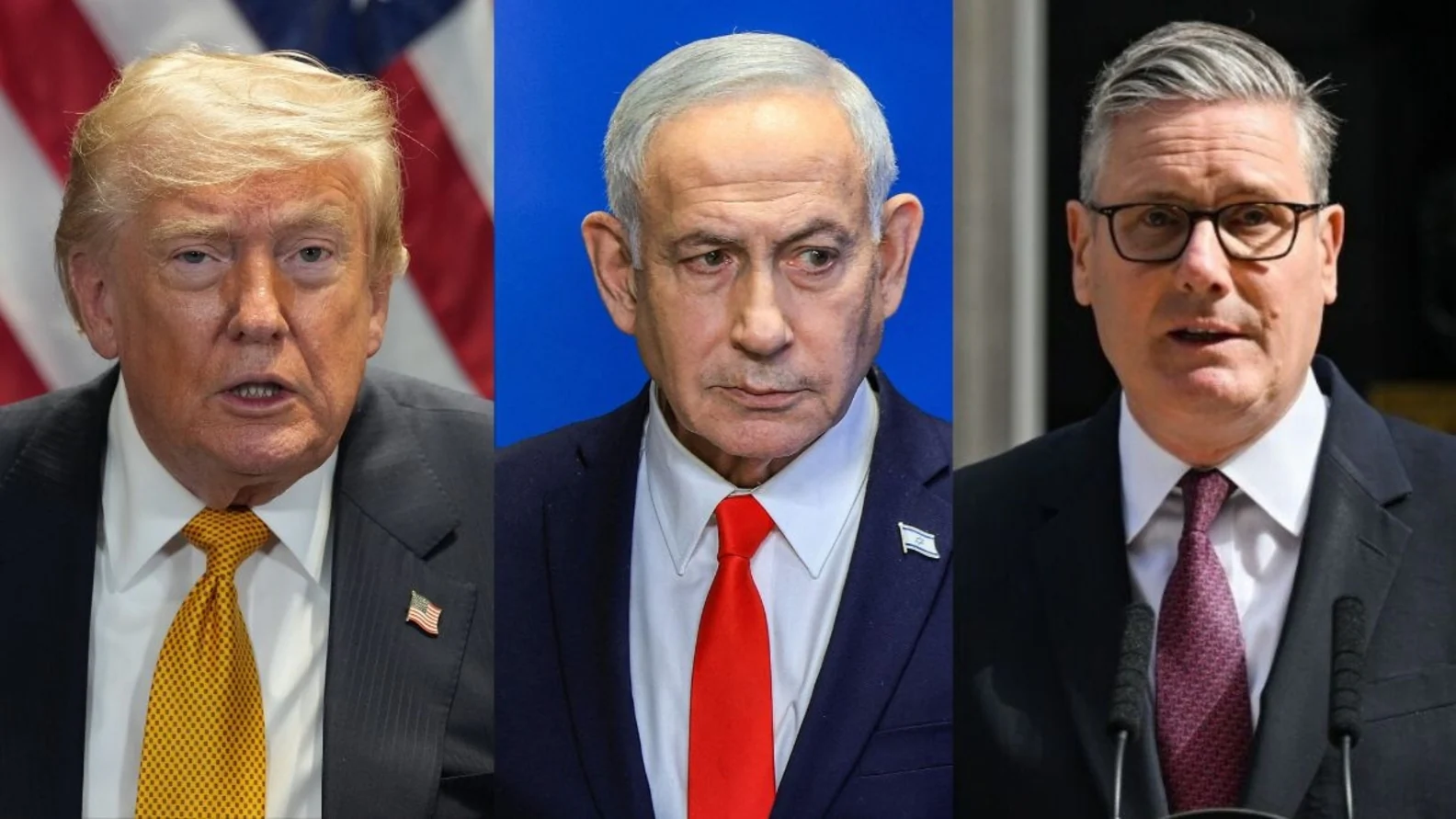
Iran has reportedly identified a list of 13 prominent international leaders as potential targets for retaliation, a development that has intensified concerns over the worsening security situation in the Middle East. The reported list includes several influential political figures from the United States, Europe, and Israel, reflecting Tehran’s growing confrontation with nations it believes have played significant roles in military, political, and strategic actions against the Islamic Republic.
The disclosure comes at a time when tensions between Iran and its regional rivals remain exceptionally high, with diplomatic relations strained by military confrontations, sanctions, intelligence operations, and ongoing conflicts involving Iran-backed groups across the Middle East.
High-Profile Leaders Named
According to reports, the individuals identified by Iran include former United States President Donald Trump, Israeli Prime Minister Benjamin Netanyahu, and Italian Prime Minister Giorgia Meloni. The reported list also includes several other senior political leaders from Western nations viewed by Tehran as supporters of Israel or as participants in policies that Iran considers hostile.
The inclusion of leaders from multiple countries suggests that Iran’s grievances extend beyond its direct conflict with Israel and encompass governments that have publicly backed Israeli military operations, strengthened sanctions on Tehran, or supported military deployments in the region.
Although no official evidence has been presented indicating immediate plans for direct attacks, the reported list has drawn international attention due to the prominence of the individuals involved and the potential implications for global security.
Growing Regional Crisis
The reported retaliation list emerges against the backdrop of an increasingly volatile Middle East. Iran and Israel have remained locked in a prolonged shadow conflict involving cyber operations, intelligence activities, targeted strikes, and proxy warfare across countries including Syria, Lebanon, Iraq, and Yemen.
Recent military exchanges have further intensified fears of a broader regional conflict. Both countries have accused each other of carrying out attacks against military installations and strategic infrastructure, raising concerns among international observers that the confrontation could expand beyond existing flashpoints.
Western governments have repeatedly expressed support for Israel’s right to defend itself while simultaneously urging restraint to prevent further escalation. Iran, however, has maintained that it reserves the right to respond to actions it considers violations of its sovereignty and national security. 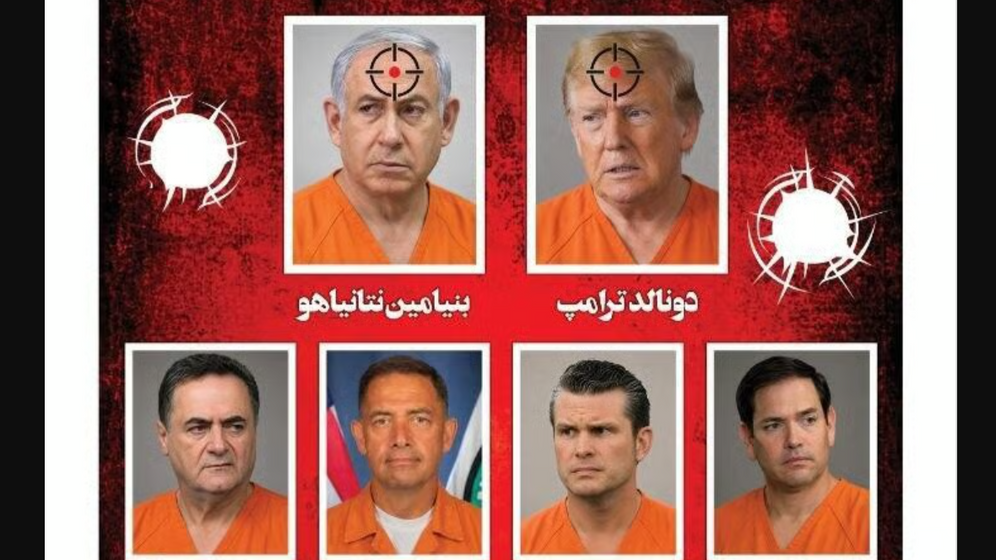
Trump and Netanyahu Remain Central Figures
Former US President Donald Trump has remained one of Iran’s most controversial foreign political figures following the 2020 killing of Iranian General Qassem Soleimani during a US drone strike in Iraq. Iranian officials have repeatedly vowed that those responsible for the operation would face consequences, making Trump’s inclusion on the reported list unsurprising to many regional analysts.
Israeli Prime Minister Benjamin Netanyahu has also long been viewed by Tehran as one of its principal adversaries. His government’s firm stance against Iran’s nuclear programme and its military operations targeting Iran-backed groups have significantly deepened hostility between the two nations.
Italian Prime Minister Giorgia Meloni’s reported inclusion reflects Iran’s broader criticism of European governments that have aligned closely with Israel and the United States on key Middle East policy decisions.
International Security Concerns
Security analysts believe that any public identification of foreign leaders as retaliation targets carries significant diplomatic and security implications. Such reports often result in increased protective measures for high-profile political figures while prompting intelligence agencies to closely monitor potential threats.
Governments whose leaders have reportedly been named are expected to evaluate security arrangements and coordinate with international intelligence partners to assess the credibility of any potential risks.
Experts note that rhetoric during periods of geopolitical crisis often serves political and strategic purposes, but it can also contribute to heightened tensions and increase the possibility of miscalculation between rival nations.
Diplomatic Challenges Ahead
The reported development underscores the deepening divide between Iran and several Western nations at a time when diplomatic efforts to reduce regional tensions have struggled to produce meaningful progress.
International organizations and global powers continue to call for dialogue, warning that further escalation could destabilize the broader Middle East, disrupt global energy markets, and increase humanitarian challenges across the region.
Analysts believe that preventing further deterioration will require renewed diplomatic engagement, confidence-building measures, and sustained international efforts to reduce the risk of direct confrontation between Iran and its adversaries.
Global Attention Focused on the Region
The emergence of the reported retaliation list has once again placed the Middle East at the center of international concern. While officials continue to assess the significance of the reported document, governments around the world remain alert to any developments that could affect regional stability and international security.
With diplomatic relations already under strain and military tensions remaining high, the situation continues to be closely monitored by world leaders, intelligence agencies, and global security experts, who warn that careful diplomacy will be essential to prevent further escalation.