
Pakistan has intensified its diplomatic outreach to Iran and Qatar in an effort to restore momentum to a fragile peace process after fresh tensions emerged over alleged violations of the Islamabad Memorandum of Understanding (MoU). The renewed diplomatic initiative reflects Islamabad’s determination to preserve months of mediation efforts aimed at reducing regional instability and preventing the collapse of negotiations.
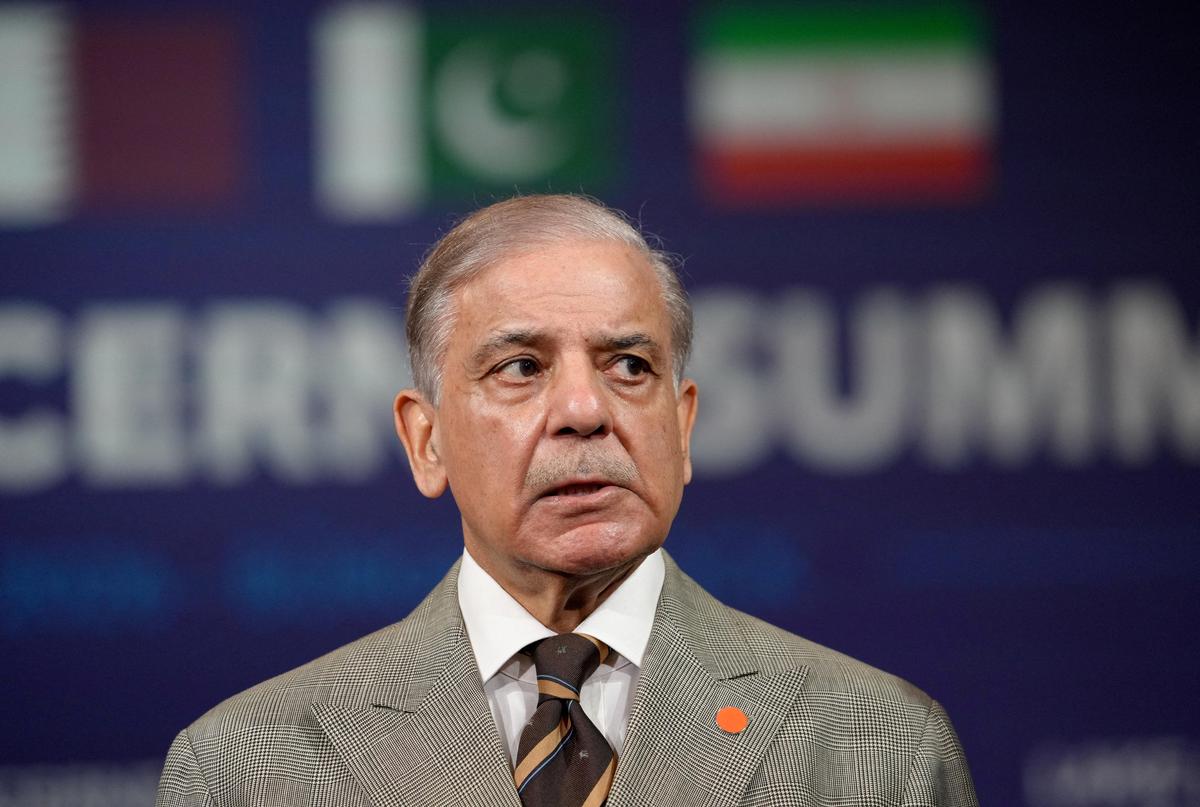
Prime Minister Shehbaz Sharif has held high-level consultations with Iranian President Masoud Pezeshkian and Qatar’s leadership as Pakistan seeks to rebuild confidence among all parties involved in the peace framework. The discussions come at a critical time when the implementation of commitments under the Islamabad MoU has come under strain, raising fears that the diplomatic progress achieved in recent months could unravel.
Pakistan Seeks to Preserve Diplomatic Gains
Pakistan has positioned itself as one of the principal mediators in efforts to reduce tensions and encourage diplomatic engagement in the region, working closely alongside Qatar. The Islamabad Memorandum of Understanding, announced earlier, established a framework for de-escalation, political dialogue, technical negotiations, and confidence-building measures intended to prevent further conflict.
Following concerns that parts of the agreement have not been fully implemented, Islamabad has intensified diplomatic engagement to encourage all stakeholders to return to constructive negotiations. Pakistani officials have stressed that continued dialogue remains the most effective path toward maintaining regional peace and avoiding renewed military confrontation.
Talks with Iranian Leadership Focus on Restoring Confidence
Prime Minister Shehbaz Sharif’s discussions with Iranian President Masoud Pezeshkian centered on preserving diplomatic momentum despite recent disagreements over the implementation of the interim agreement.
During the consultations, both sides reportedly reaffirmed the importance of dialogue and emphasized that diplomatic engagement remains essential for achieving a long-term settlement. Pakistan also reiterated its commitment to maintaining open communication channels with Tehran while continuing efforts to facilitate negotiations involving all concerned parties. 
Qatar Remains a Key Mediation Partner
Qatar continues to play an important role alongside Pakistan in supporting negotiations. Since the signing of the Islamabad MoU, both countries have coordinated diplomatic initiatives designed to maintain communication between the negotiating sides and oversee technical-level discussions.
Recent contacts between Pakistani and Qatari officials focused on identifying ways to restore confidence, strengthen the existing mediation framework, and encourage renewed participation in ongoing negotiations. Qatar has consistently supported Pakistan’s mediation efforts and remains actively engaged in facilitating diplomatic dialogue.
Islamabad MoU Under Pressure
The Islamabad Memorandum of Understanding was designed as an interim framework to halt hostilities, create structured negotiations, establish political oversight through a High-Level Committee, and develop mechanisms to resolve disputes peacefully.
However, recent allegations regarding violations of commitments under the agreement have placed the framework under considerable pressure. Pakistani officials have urged all parties to respect their obligations and avoid actions that could undermine the diplomatic process or increase regional instability.
Islamabad maintains that the agreement remains the best available platform for preventing escalation and eventually reaching a comprehensive settlement.
Regional Stability Remains the Primary Objective
The diplomatic initiative reflects growing concerns that any breakdown in negotiations could have significant implications for Middle Eastern security, international trade, and energy markets.
The Strait of Hormuz, one of the world’s most strategically important maritime routes, remains central to ongoing discussions. Ensuring safe commercial navigation and preventing further disruptions continues to be a major objective of the diplomatic process.
Pakistan and Qatar are working to keep communication channels open while encouraging all stakeholders to continue technical negotiations rather than allowing recent disagreements to derail the broader peace effort.
Pakistan Reaffirms Commitment to Dialogue
Despite the current challenges, Islamabad has reiterated that diplomacy remains the preferred path toward lasting regional peace. Pakistani officials continue to emphasize that sustained engagement, adherence to agreed commitments, and constructive negotiations are essential for preserving stability and preventing renewed conflict.
As consultations with Iran, Qatar, and other stakeholders continue, Pakistan hopes its mediation efforts can help restore confidence in the peace process and revive negotiations before tensions escalate further.