
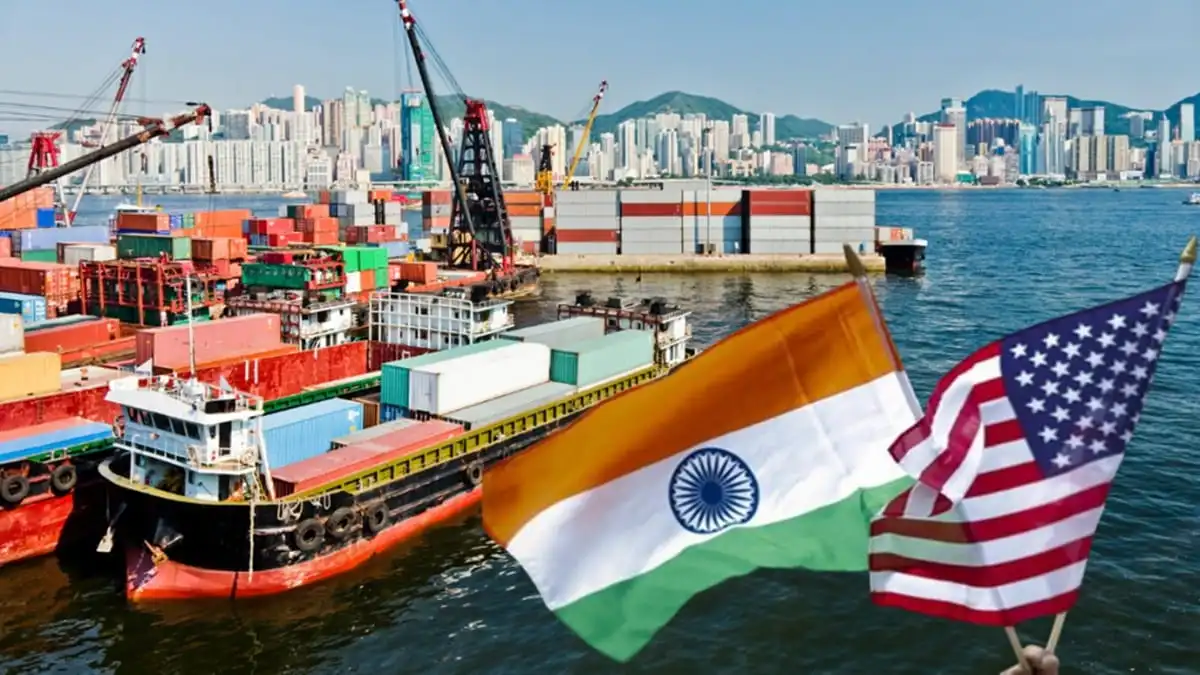
India has formally requested the United States to reconsider its proposal to impose a 12.5% tariff on certain imports, emphasizing that such a move could negatively affect bilateral trade and economic cooperation between the two countries. At the same time, New Delhi has reiterated its commitment to advancing negotiations for a comprehensive bilateral trade agreement that would provide long-term stability and mutual economic benefits.
The latest development comes as both nations continue discussions aimed at strengthening one of the world’s fastest-growing strategic economic partnerships. Indian officials believe that imposing additional tariffs at this stage would undermine ongoing negotiations and create unnecessary obstacles for businesses on both sides.
India Calls for Removal of Proposed Tariff
According to officials familiar with the discussions, India has conveyed its concerns directly to US representatives, urging Washington to withdraw the proposed 12.5% tariff. The Indian side argued that higher import duties could increase costs for exporters, reduce market competitiveness, and disrupt established supply chains that have become increasingly important in recent years.
Government officials have maintained that both countries should focus on expanding trade rather than introducing new restrictions. They stressed that reducing trade barriers would encourage investment, create employment opportunities, and strengthen commercial ties.
India also highlighted that predictable trade policies are essential for businesses making long-term investment decisions. Any sudden increase in tariffs could create uncertainty for industries dependent on cross-border trade.
Focus on Bilateral Trade Agreement
India has simultaneously pushed for accelerated negotiations on a bilateral trade agreement with the United States. Such an agreement is expected to address several long-standing issues, including market access, tariff reductions, regulatory cooperation, and investment facilitation.
Officials believe that a comprehensive trade agreement would provide a structured framework for resolving commercial disputes while opening new opportunities across multiple sectors. It would also help businesses in both countries benefit from simplified trade procedures and greater market access.
Negotiators from both sides have been engaged in discussions covering a wide range of sectors, including manufacturing, agriculture, digital trade, services, pharmaceuticals, and technology. 
Growing Economic Partnership
India and the United States have witnessed significant growth in bilateral trade over the past decade. Both countries have become important trading partners, with increasing exchanges in goods, services, technology, defence, and investments.
Trade between the two economies has expanded steadily, supported by closer strategic cooperation and growing business-to-business engagement. Companies from both countries have increased investments in sectors such as information technology, renewable energy, healthcare, electronics, and advanced manufacturing.
Economic experts note that maintaining a stable and predictable trade environment remains crucial for sustaining this momentum.
Concerns Over Potential Impact
Industry observers believe that the proposed tariff, if implemented, could have implications for exporters and importers engaged in cross-border trade. Additional duties may increase operational costs, reduce price competitiveness, and affect supply chain efficiency.
Businesses that depend heavily on international markets often plan investments based on existing trade policies. Any change in tariff structures can influence pricing strategies, production planning, and long-term business decisions.
Indian officials have therefore argued that resolving differences through negotiations would be more beneficial than adopting protectionist measures.
Strategic Importance of Trade Talks
The trade discussions are taking place against the backdrop of broader strategic cooperation between India and the United States. The two countries continue to collaborate on issues related to defence, technology, clean energy, critical minerals, supply chain resilience, and regional security.
A successful bilateral trade agreement is expected to complement these strategic partnerships by strengthening economic integration and creating new commercial opportunities.
Officials on both sides have repeatedly expressed optimism that ongoing negotiations will produce mutually beneficial outcomes while addressing concerns raised by businesses and industry groups.
Way Forward
India remains committed to constructive engagement with the United States and has emphasized that dialogue remains the best path toward resolving trade-related differences. New Delhi hopes that Washington will reconsider the proposed tariff and instead focus on concluding a balanced and comprehensive bilateral trade agreement.
As negotiations continue, businesses and investors will closely monitor developments that could shape future trade policies between the world’s two largest democracies. A successful agreement could not only boost bilateral commerce but also reinforce economic cooperation in an increasingly interconnected global marketplace.