
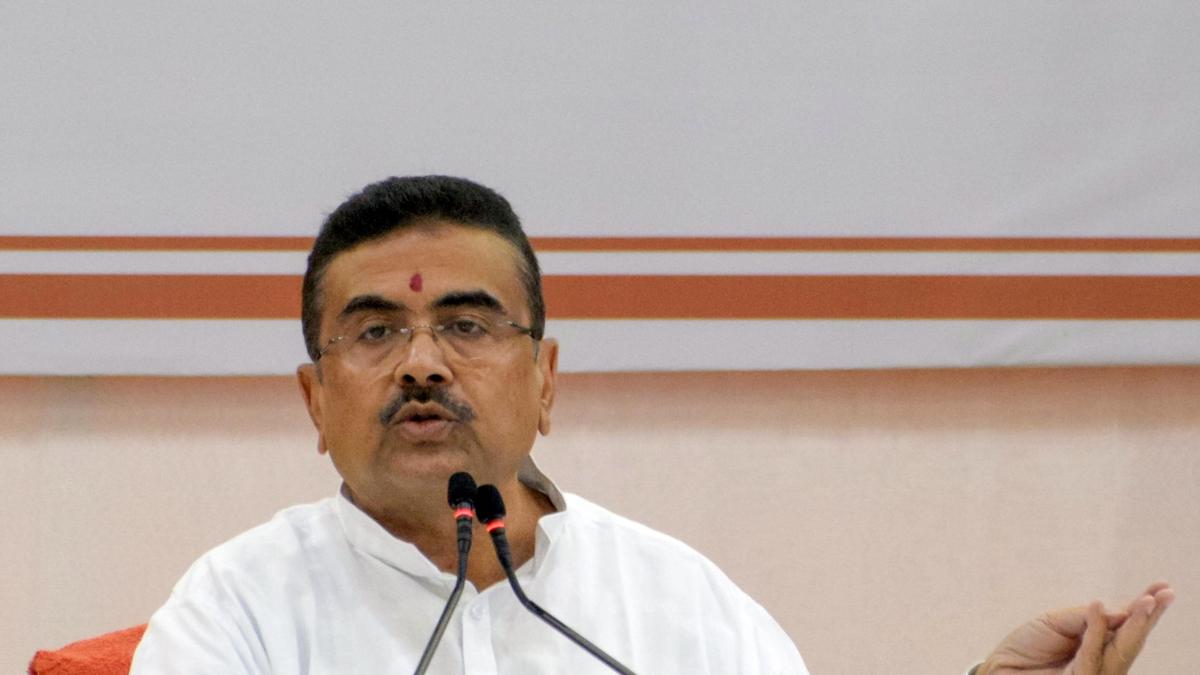
The West Bengal government is preparing to introduce a comprehensive centralised hospital monitoring system aimed at improving healthcare delivery, eliminating the influence of touts, and ensuring better coordination among hospitals across the state. The proposed initiative is expected to strengthen patient management by providing real-time monitoring of hospital bed availability, streamlining referrals, and enhancing transparency within the public healthcare system.
The announcement reflects the government’s broader effort to modernise healthcare administration and address long-standing challenges faced by patients seeking treatment in government hospitals.
Real-Time Monitoring of Hospital Beds
One of the key features of the proposed system is a central control mechanism that will monitor bed availability across government hospitals in real time. Health officials believe this digital platform will help hospital administrators make quicker decisions regarding admissions while ensuring patients are directed to facilities where treatment can be provided without unnecessary delays.
The centralised monitoring system is expected to reduce confusion over bed occupancy, improve coordination among hospitals, and minimise the need for patients and their families to travel from one healthcare facility to another in search of available treatment.
Authorities believe that accurate, real-time data will allow hospitals to utilise existing infrastructure more efficiently while ensuring that emergency cases receive prompt medical attention.
Major Step to Eliminate Hospital Touts
The government has identified the activities of hospital touts as one of the major obstacles affecting patient care. These individuals often exploit vulnerable patients by offering false promises of securing hospital beds, arranging admissions, or facilitating medical services in exchange for money.
Officials believe that the proposed digital monitoring system will significantly reduce opportunities for such illegal practices by making hospital information transparent and accessible to authorised healthcare administrators.
By ensuring that admissions and referrals are managed through an organised digital platform rather than informal networks, the government hopes to improve public confidence in the healthcare system and protect patients from exploitation. 
Better Coordination Between State and Central Hospitals
Another important aspect of the proposal involves improving coordination between state-run and central government healthcare institutions.
Under the planned framework, patients who cannot immediately receive treatment at one facility due to bed shortages may be referred more efficiently to another suitable hospital. This coordinated referral mechanism is expected to reduce waiting times while ensuring continuity of treatment.
Officials are also examining ways to strengthen collaboration with eligible private healthcare institutions whenever additional treatment capacity is required, particularly during periods of high patient demand.
Technology to Strengthen Healthcare Delivery
The proposed reforms place significant emphasis on the use of technology in healthcare administration. By integrating hospital information into a unified monitoring platform, authorities aim to improve operational efficiency while enabling faster decision-making.
Healthcare administrators will be able to monitor patient flow, hospital occupancy, and service availability through a central control system. This data-driven approach is expected to help identify bottlenecks, allocate resources more effectively, and improve overall hospital management.
Experts believe digital healthcare solutions can also support long-term planning by providing accurate information about patient volumes, infrastructure needs, and service demand across different regions.
Focus on Transparency and Patient Convenience
Officials have indicated that the initiative is designed to create a more transparent healthcare environment where patients receive timely assistance without depending on intermediaries.
The government aims to simplify the admission process, reduce unnecessary paperwork, and ensure that patients are directed to the most appropriate healthcare facility based on availability and medical requirements.
A transparent monitoring system is also expected to improve accountability within hospitals by allowing authorities to oversee admissions, referrals, and bed management more closely.
Improving Emergency Response
The proposed hospital monitoring network is expected to play a crucial role during emergencies, when rapid access to hospital beds can be critical.
With real-time information available through a central control system, emergency responders and healthcare officials will be able to identify available facilities more quickly, reducing delays in treatment and improving patient outcomes.
Such coordination could prove particularly valuable during disease outbreaks, natural disasters, or periods of unusually high patient admissions.
Part of Broader Healthcare Reforms
The centralised monitoring initiative forms part of a broader strategy to modernise West Bengal’s public healthcare infrastructure. Alongside efforts to improve hospital administration, authorities are also focusing on better resource management, stronger referral systems, and enhanced patient services.
By integrating technology into everyday healthcare operations, the government aims to create a more responsive, efficient, and patient-friendly medical system capable of meeting the growing healthcare needs of the state’s population.If implemented successfully, the centralised hospital monitoring platform could significantly reduce administrative inefficiencies, curb the influence of touts, improve access to treatment, and strengthen coordination across the state’s healthcare network, ultimately delivering a more transparent and reliable healthcare experience for patients.