
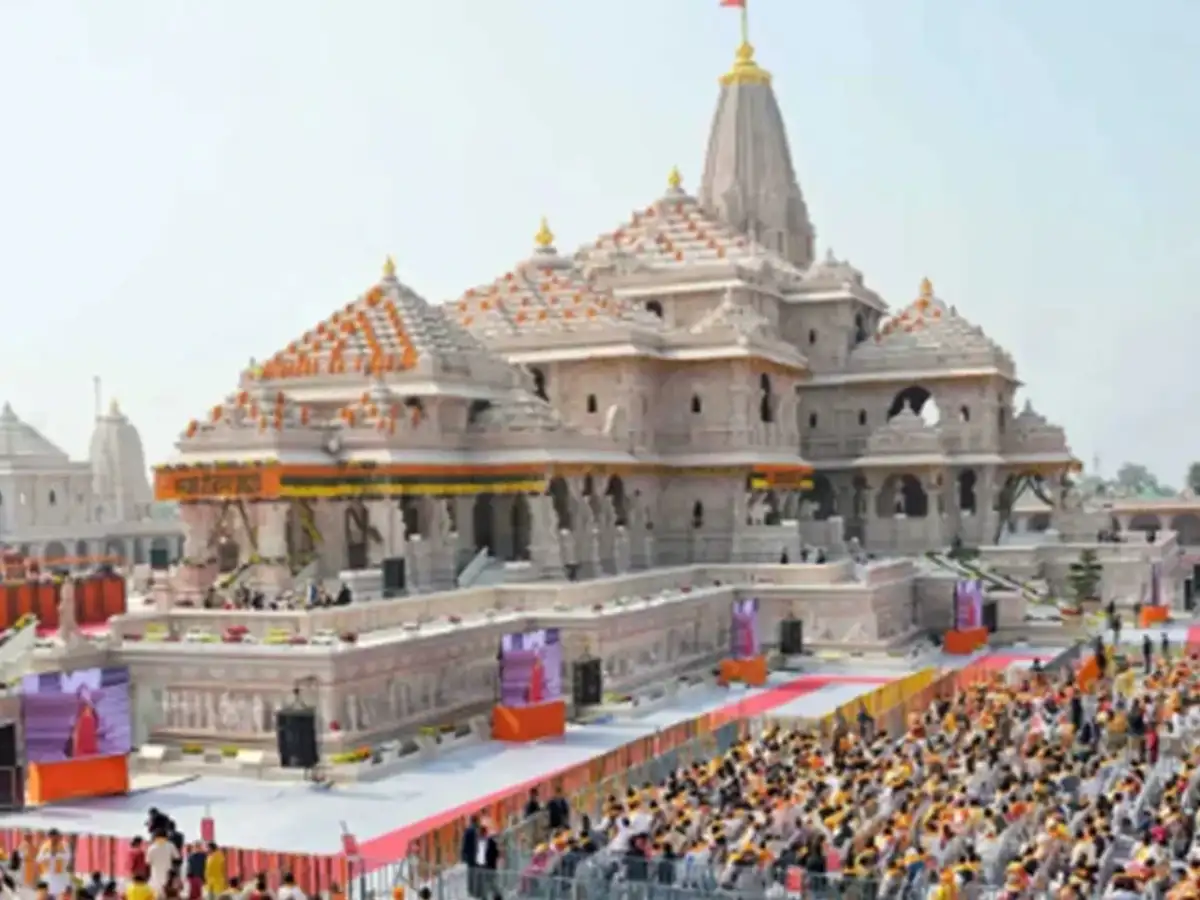
The trust responsible for managing the Ram Temple in Ayodhya is considering changes to its internal regulations to introduce a dedicated Chief Executive Officer (CEO) position, according to discussions within the organisation. The proposed amendment is aimed at strengthening administrative systems, improving coordination and ensuring smoother management of the temple’s expanding operations.
The Shri Ram Janmabhoomi Teerth Kshetra Trust, which oversees the construction, development and functioning of the Ram Temple complex, has been evaluating ways to modernise its management structure. The possible creation of a CEO role comes amid discussions surrounding transparency, financial oversight and the handling of large-scale donations received from devotees across the country and abroad.
Need for Professional Management Structure
Since the inauguration of the Ram Temple, the trust has witnessed a significant increase in responsibilities, including managing daily religious activities, visitor facilities, security arrangements, infrastructure development and financial operations. With millions of devotees expected to visit Ayodhya every year, officials believe that a more structured administrative framework may be required.
A CEO-level position could help bring professional expertise into the temple’s management system. The role may involve supervising day-to-day operations, coordinating between different departments, implementing policies and ensuring effective utilisation of resources.
The proposal reflects an attempt to balance religious responsibilities with modern administrative requirements. Large religious institutions often require specialised management systems to handle financial, operational and public service-related challenges.
Donation Management Raises Questions
The discussion over administrative changes has gained attention amid concerns related to the management of donations collected for temple development and related activities. The trust has received contributions from a large number of devotees, making financial transparency and accountability important aspects of its functioning.
Officials associated with the trust have maintained that financial procedures are being followed according to established rules and regulations. However, the increasing scale of operations has created a need for stronger monitoring mechanisms and professional oversight.
The introduction of a CEO position could help streamline financial management, improve reporting systems and establish clearer responsibilities within the organisation.
Proposed Bylaw Amendment Under Consideration
To appoint a CEO, the trust may need to modify its existing bylaws. The current structure includes members responsible for decision-making and supervision of temple-related activities. Any change in the administrative framework would require approval from the trust’s governing body.
The proposed amendment is expected to define the responsibilities, authority and selection process for the CEO position. Discussions are likely to focus on ensuring that the new role complements the existing leadership structure without affecting religious traditions and decision-making authority.
Growing Responsibilities After Temple Opening
The Ram Temple project has become one of the largest religious and cultural developments in India. Following the opening of the temple for devotees, managing the increasing number of visitors has become a major challenge.
Apart from religious functions, the trust is also involved in maintaining facilities, improving visitor experiences, handling security arrangements and overseeing future development plans in the temple area.
A professional administrative head could help address these challenges by bringing expertise in organisational management, planning and execution.
Focus on Transparency and Efficient Governance
The possible introduction of a CEO position highlights the trust’s efforts to adapt to changing requirements. As the temple continues to attract national and international attention, efficient governance and transparent operations have become key priorities.
The proposed changes are expected to be discussed further before any final decision is taken. If approved, the appointment of a CEO could mark a significant shift towards a more organised and professional management model for the temple administration.