

Meta is preparing to take a major step in its artificial intelligence strategy by beginning production of its first large-scale in-house AI chip in September. The move reflects the company’s growing ambition to strengthen its technological independence, improve the efficiency of its AI infrastructure, and significantly expand computing capacity to support the rapid growth of artificial intelligence products and services.
The custom-designed chip is expected to play a central role in Meta’s future AI operations, allowing the company to reduce its reliance on third-party chip manufacturers while optimizing the performance of its data centers. As AI models become increasingly complex and computationally demanding, Meta is investing heavily in specialized hardware that can deliver better efficiency, lower costs, and faster processing capabilities.
Strengthening AI Infrastructure
Artificial intelligence has become one of Meta’s highest strategic priorities. The company continues to integrate AI across its family of platforms, including social media applications, digital assistants, advertising systems, content recommendations, and developer tools.
These services require enormous computational resources for both training and running advanced AI models. Traditional graphics processing units (GPUs) remain essential, but they are expensive, consume significant power, and are in high demand worldwide. By developing its own AI chips, Meta aims to build a more sustainable and cost-effective infrastructure capable of supporting future AI innovations.
The company reportedly plans to double its computing capacity over time, enabling faster AI model development while supporting the growing number of users interacting with AI-powered features every day.
Why Meta Is Developing Its Own AI Chip
Building custom AI processors offers several advantages over relying entirely on external hardware suppliers.
A chip designed specifically for Meta’s workloads can improve efficiency by handling AI tasks that are unique to the company’s platforms. Specialized processors can reduce energy consumption, increase processing speed, and lower operating costs across massive data centers.
The initiative also helps diversify Meta’s supply chain. As demand for AI hardware continues to surge globally, companies are competing for access to advanced semiconductor technologies. Developing proprietary chips gives Meta greater flexibility and reduces dependence on outside manufacturers. 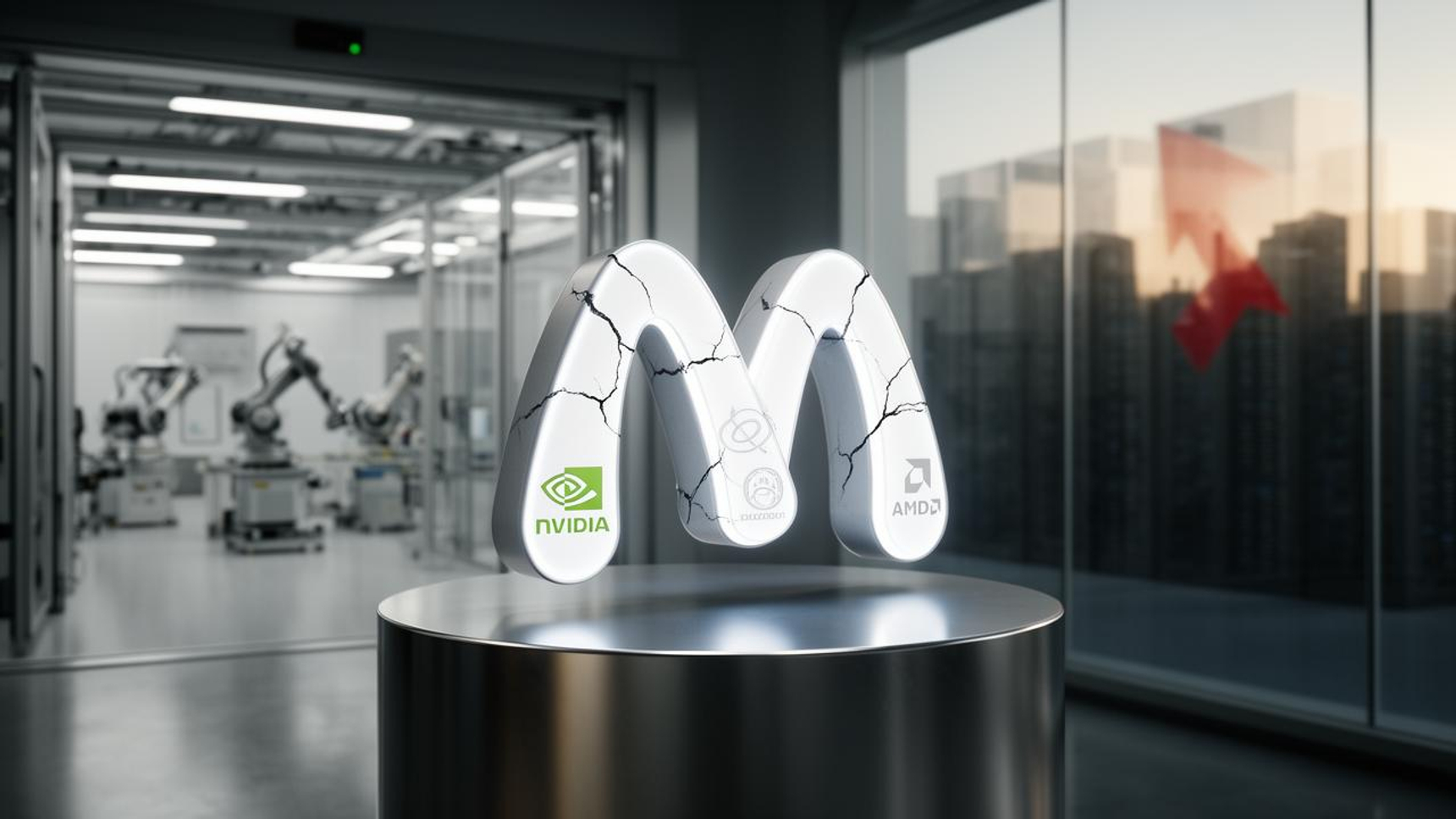
Production Expected to Begin in September
According to internal planning, Meta intends to place the new AI chip into production in September after completing testing and validation. Moving into production marks an important milestone following years of research, engineering, and development.
The chip is expected to support AI inference workloads—where trained AI models generate responses and predictions—as well as other computational tasks required across Meta’s expanding AI ecosystem. Future versions could also contribute to AI model training, one of the most resource-intensive processes in artificial intelligence.
The production phase will allow Meta to begin deploying the hardware across its infrastructure in stages while evaluating performance under real-world conditions.
Massive Investment in AI Computing
Meta has committed billions of dollars toward expanding its AI infrastructure, including constructing new data centers and purchasing advanced hardware.
As competition in generative AI intensifies, technology companies are investing unprecedented amounts to build computing platforms capable of supporting increasingly sophisticated AI models.
The company believes that owning more of its hardware stack will improve long-term operational efficiency and provide greater control over performance optimization.
These investments are expected to support not only current AI applications but also future technologies involving multimodal AI, virtual assistants, recommendation systems, and immersive digital experiences.
Reducing Long-Term Infrastructure Costs
One of the primary motivations behind Meta’s chip initiative is controlling the rising cost of AI infrastructure.
Training and operating large language models requires enormous computing resources, making hardware one of the biggest expenses for technology companies. Proprietary chips tailored for Meta’s specific workloads could reduce both capital expenditures and operational costs over time.
Lower power consumption, improved resource utilization, and optimized AI processing are expected to generate significant financial benefits as AI usage continues to expand across Meta’s platforms.
Industry-Wide Shift Toward Custom Silicon
Meta is part of a broader trend among major technology companies developing their own custom silicon for artificial intelligence.
Rather than relying exclusively on commercially available processors, leading firms are investing in specialized AI hardware designed to maximize performance for their own software ecosystems. This strategy offers greater flexibility, improved efficiency, and stronger control over product development.
Custom AI chips are increasingly viewed as a strategic asset as artificial intelligence becomes central to future business growth and technological innovation.
Growing Competition in AI Hardware
The race to develop AI hardware has intensified as demand for advanced computing continues to rise. Technology companies are investing aggressively in processors capable of supporting increasingly sophisticated AI applications.
Meta’s decision to move into large-scale chip production demonstrates its commitment to becoming more self-reliant while strengthening its competitive position in the rapidly evolving AI landscape.
By expanding computing capacity and reducing dependence on external hardware providers, the company hopes to accelerate AI innovation and support the next generation of intelligent digital services.
Looking Ahead
The launch of Meta’s in-house AI chip into production represents more than a hardware milestone. It signals the company’s long-term strategy to build an integrated AI ecosystem powered by custom infrastructure.
As artificial intelligence becomes increasingly central to digital platforms, investments in proprietary chips, advanced data centers, and computing capacity are expected to shape the future of AI development. If successful, Meta’s custom processors could become a key foundation for delivering faster, more efficient, and more scalable AI experiences to billions of users worldwide.