

US Vice President JD Vance has strongly defended the federal government’s decision to investigate the H-1B visa program, arguing that employment opportunities in the United States should primarily benefit American citizens. His remarks come amid renewed political debate over immigration policies, foreign skilled workers, and the future of employment-based visa programs.
Speaking about the administration’s approach to immigration and labor policies, Vance emphasized that protecting the interests of American workers remains a central objective. He stated that while the United States continues to value innovation and skilled professionals from around the world, the government also has a responsibility to ensure that employment opportunities are not unfairly diverted away from qualified American workers.
Focus on Protecting Domestic Employment
Vance argued that the administration’s review of the H-1B visa system is intended to ensure that companies are complying with existing laws and that the program is being used for its original purpose. The H-1B visa allows US employers to hire foreign professionals in specialized occupations such as information technology, engineering, finance, healthcare, and scientific research when qualified domestic workers are unavailable.
According to Vance, the government wants to ensure that employers do not misuse the visa program to replace American employees with lower-cost foreign labor. He stressed that economic growth should benefit American workers first and that immigration policies must support national employment interests.
“American jobs are for Americans,” Vance said while explaining the administration’s position on the ongoing review of the visa program.
Why the H-1B Program Is Under Review
The investigation into the H-1B visa system is part of broader efforts to evaluate whether companies are fully complying with labor regulations governing employment-based immigration.
Federal authorities are expected to examine issues including:
- Whether employers are paying legally required wages.
- Compliance with labor certification requirements.
- Potential misuse of visa allocations.
- Protection of employment opportunities for US citizens.
- Transparency in hiring practices involving foreign workers.
Officials have indicated that the review is aimed at strengthening enforcement rather than eliminating the visa category altogether. 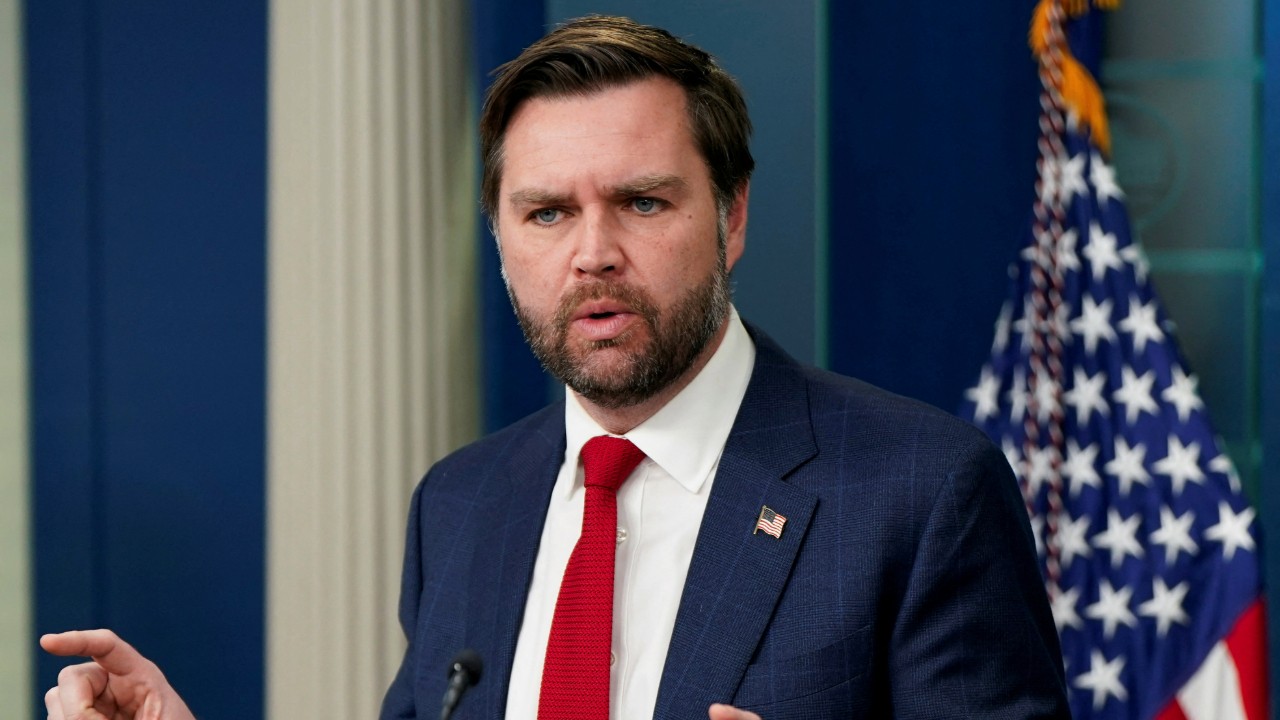
Importance of the H-1B Visa Program
The H-1B visa remains one of the most significant employment-based immigration programs in the United States. Thousands of technology firms, healthcare organizations, universities, research institutions, and multinational corporations depend on highly skilled foreign professionals to fill specialized positions.
Many of these workers contribute to sectors facing talent shortages, particularly in advanced technology, artificial intelligence, software engineering, biotechnology, and medical research.
Every year, demand for H-1B visas far exceeds the annual cap, making the program highly competitive. Large numbers of applicants come from countries including India, which has consistently accounted for the majority of H-1B approvals over the years.
Political Debate Continues
The H-1B visa has long been a politically sensitive issue in the United States. Supporters argue that the program strengthens American competitiveness by allowing companies to recruit global talent and fill critical skill gaps that cannot always be met through the domestic workforce.
Critics, however, contend that some employers misuse the program to reduce labor costs or replace experienced American workers with lower-paid foreign employees. Labor organizations and some policymakers have called for stricter oversight, greater transparency, and stronger protections for domestic employees.
Vance’s comments reflect the administration’s broader immigration philosophy, which places significant emphasis on prioritizing American workers in employment and economic policy.
Business Community Watches Closely
The government’s review of the H-1B visa program is being closely monitored by the technology industry, multinational corporations, educational institutions, and business organizations.
Many employers argue that access to global talent remains essential for maintaining innovation, supporting research, and sustaining economic growth. Industry groups have repeatedly warned that overly restrictive immigration policies could make it more difficult for American companies to compete internationally.
At the same time, advocates for stricter immigration enforcement believe stronger oversight will improve fairness in hiring practices and ensure that the visa program serves its intended purpose without disadvantaging American workers.
Potential Impact
Although no immediate changes to the H-1B visa framework have been announced, the ongoing investigation could influence future immigration reforms and workplace regulations. Any policy adjustments resulting from the review may affect employers that rely on skilled foreign professionals, international applicants seeking employment in the United States, and industries facing labor shortages.
For now, the administration maintains that the objective is to strengthen compliance, improve accountability, and ensure that the employment-based immigration system aligns with national economic priorities while protecting opportunities for American workers.