
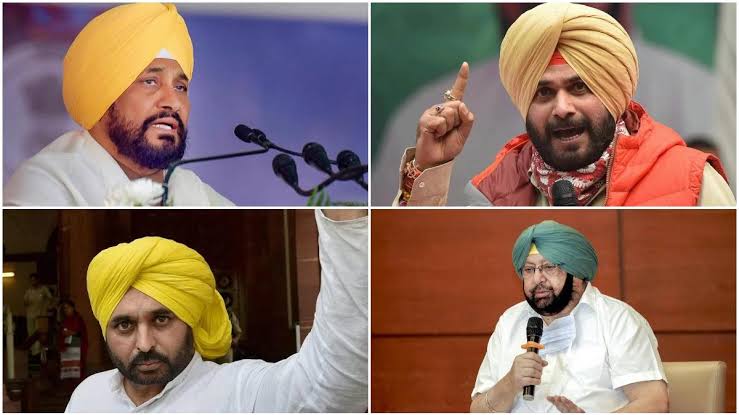
Punjab’s political environment is witnessing increased activity as the state’s leading political parties begin positioning themselves for the next Assembly election. While the election is still some time away, political leaders across party lines have already launched campaigns, strengthened organisational networks, and intensified outreach efforts to secure voter confidence.
The ruling party is focusing on highlighting its governance record, while opposition parties are attempting to capitalise on public dissatisfaction and rebuild their support base. The contest is expected to be one of the most closely watched political battles in northern India, with multiple parties seeking to establish themselves as the preferred choice for Punjab’s electorate.
A Multi-Cornered Electoral Contest
Unlike previous elections dominated by two major alliances, Punjab is now witnessing a competitive multi-party political landscape. The ruling party, the Congress, the Shiromani Akali Dal (SAD), and the Bharatiya Janata Party (BJP) are all actively preparing for an intense electoral battle.
Each party is adopting a distinct political strategy while attempting to expand its influence among different voter groups, including farmers, youth, urban residents, traders, women, and first-time voters.
Political observers believe the outcome will depend not only on campaign promises but also on leadership credibility, organisational strength, and the ability to address key state issues.
Ruling Party Focuses on Governance Record
The ruling government is expected to centre its campaign on developmental initiatives, welfare programmes, education reforms, healthcare improvements, and anti-corruption measures implemented during its tenure.
Party leaders continue to project governance achievements as evidence of administrative effectiveness while arguing that stability is necessary for Punjab’s continued development.
The leadership is also working to strengthen grassroots networks by increasing engagement with local workers and community representatives across districts. 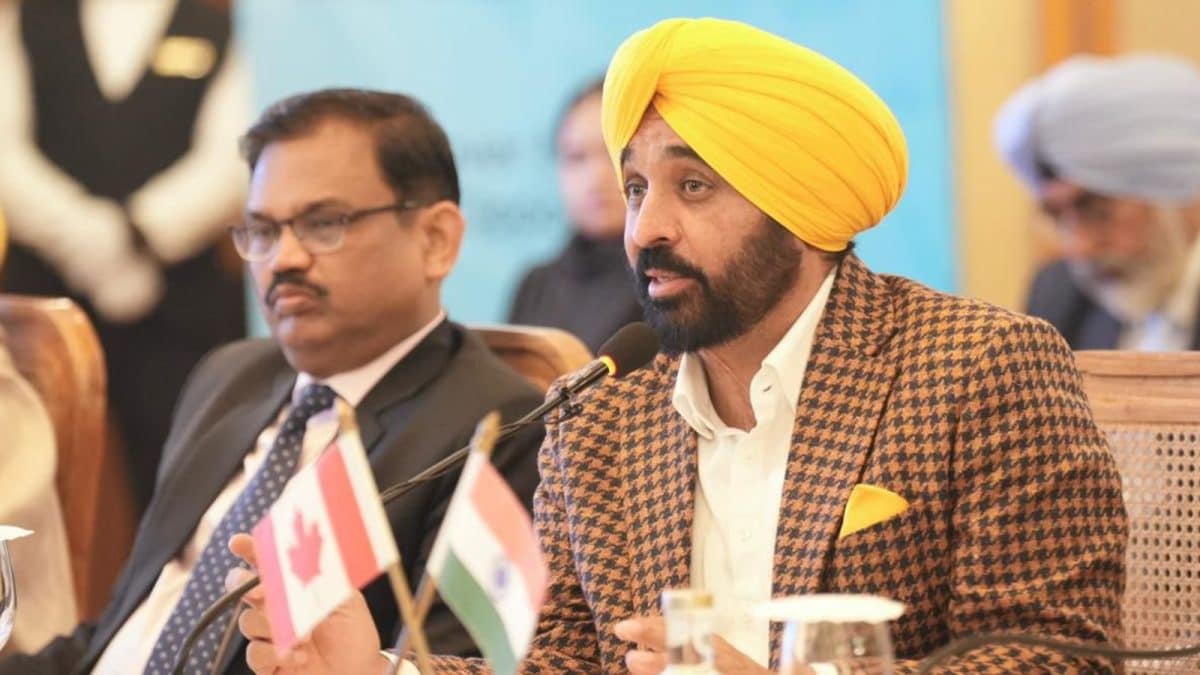
Congress Looks to Regain Political Ground
The Congress is making efforts to revive its organisational structure after setbacks in previous elections. Senior leaders have intensified meetings with party workers and are attempting to rebuild unity within the organisation.
The party is expected to focus its campaign on issues such as unemployment, inflation, agriculture, and public services while questioning the performance of the current government.
Internal restructuring and leadership coordination are likely to play an important role as the Congress attempts to regain voter confidence across rural and urban constituencies.
Shiromani Akali Dal Seeks Political Revival
The Shiromani Akali Dal is working to strengthen its traditional support base, particularly in rural Punjab and among farming communities.
Party leaders are emphasising their historical connection with Punjab’s regional identity while addressing issues related to agriculture, state rights, and economic development.
The party also faces the challenge of reconnecting with voters after electoral setbacks and rebuilding public trust ahead of the Assembly polls.
BJP Expands Organisational Presence
The Bharatiya Janata Party continues efforts to increase its political footprint in Punjab by expanding its organisational network and attracting influential local leaders.
The party is expected to campaign on themes including economic growth, infrastructure development, national security, investment, and governance reforms.
Political analysts note that the BJP’s electoral strategy will likely focus on increasing support in urban constituencies while simultaneously expanding its rural outreach.
Key Issues Expected to Shape the Election
Several critical issues are likely to dominate political campaigns as parties prepare their manifestos and public outreach programmes.
Among the most significant concerns are:
- Employment opportunities for youth.
- Agricultural reforms and farmers’ welfare.
- Drug abuse prevention and law enforcement.
- Industrial investment and economic growth.
- Rising cost of living and inflation.
- Education and healthcare infrastructure.
- State finances and public welfare schemes.
- Infrastructure development and urban services.
Candidates who successfully address these concerns through practical policy proposals may gain an electoral advantage.
Leadership Will Be a Decisive Factor
Apart from policy issues, leadership is expected to play a central role in determining electoral outcomes.
Political parties are carefully selecting candidates with strong local influence and credible public images. Campaign messaging is also increasingly centred around leadership experience, governance capability, and direct engagement with voters.
Public rallies, social media campaigns, grassroots meetings, and constituency-level outreach programmes are likely to become more frequent as the election approaches.
Alliance Possibilities Remain Under Watch
Although parties are currently focusing on strengthening their independent positions, political observers believe alliance discussions could emerge closer to the election if strategic circumstances change.
Seat-sharing arrangements and regional partnerships often become significant factors during Punjab elections, particularly in closely contested constituencies.
However, no major alliance decisions have been finalised, and parties continue to project confidence in contesting the election on their own political strengths.
Electoral Battle Expected to Intensify
As political momentum builds, Punjab is entering a period of sustained campaign activity. Every major political party is working to expand its voter base while refining its electoral strategy ahead of the Assembly election.
With governance, employment, agriculture, economic development, and public welfare expected to dominate public discourse, the coming months are likely to witness aggressive campaigning and heightened political competition.
The Assembly election is expected to serve as a significant test for both the ruling government and opposition parties, with the outcome shaping Punjab’s political direction for the next five years.